
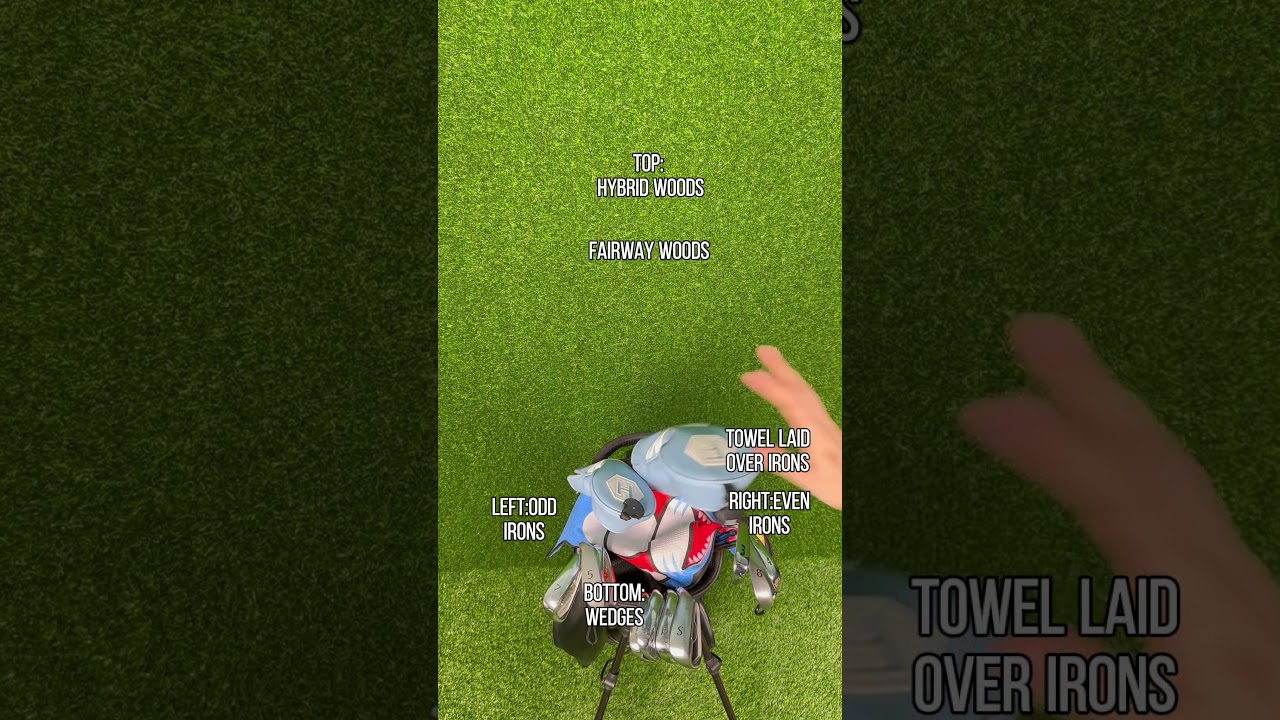
Golf Club & Headcover Organization Guide
Why Organization Matters for Golf Enthusiasts
For golf lovers, a well-organized setup isn’t just about aesthetics—it saves time, preserves equipment, and keeps you ready for practice, rounds, and travel. A thoughtful golf club organization plan helps prevent club dings, headcover loss, and accidental mix-ups on busy mornings. Whether you’re optimizing a compact apartment corner or a spacious garage gym, a strategic approach to organizing golf clubs and headcovers pays dividends in performance and peace of mind.
- Protects clubs from scratches, bends, and rust by ensuring proper storage conditions.
- Facilitates faster setup before a round or practice session.
- Extends the life of headcovers through clear labeling and proper drying/storage practices.
- Reduces wear by keeping clubs off the floor and away from potential moisture sources.
- Makes it easier to rotate clubs for practice (e.g., blending game-improvement irons with commuter sets).
Getting Started: Assessing Your Collection
A clear starting point is essential. Take inventory of all your clubs and headcovers, note current storage constraints, and identify the goals you want to achieve—whether it’s faster access, better protection from the elements, or a cleaner look for a home gym corner.
- Inventory all clubs: drivers, fairway woods, hybrids, irons (8-, 9-, wedges), and putter. Include special sets you rarely use.
- Count and categorize headcovers by type (driver, fairway, hybrid, wedge, putter) and by material (leather, fabric, cowhide, synthetic).
- Assess your current storage area: humidity, temperature, floor space, and accessibility.
- Define priority goals: fast access, protection from dust/moisture, easy rotation by season, or display aesthetics.
Documenting your inventory creates a baseline you can refer back to as you implement storage solutions, and it helps you prevent duplicate purchases or overstocking of headcovers.
Headcover Organization
Headcovers are frequently enough overlooked, but they’re the first line of defense against club scratches and dust. A practical organization plan for headcovers includes sorting, labeling, and a dedicated storage zone that makes it easy to swap in the right cover for the season or weather.
Sorting Principles
- By type: driver, fairway wood, hybrid, iron, wedge, putter.
- By material: leather, synthetic, or fabric-based covers.
- By year or model: useful for collectors or displacing older covers with replacements.
- By season: keep weather-appropriate covers handy for rain or cold climates.
Labeling and Storage
- Use clear labels or color-coded tags to indicate club type and size.
- store headcovers in labeled bins or a shallow drawer insert for easy access.
- Consider a dedicated rack or wall-mounted hook system for frequently used covers.
Maintenance Tips
- Air-dry damp covers entirely before storage to prevent mold.
- Wipe off dust with a soft cloth and avoid harsh cleaners on leather.
- inspect seams and zippers regularly and repair or replace as needed.
Storage Solutions for golf Clubs
Choosing the right storage approach depends on space, budget, and how often you rotate clubs. Here are several practical solutions that pair well with smart headcover organization.
Floor-standing Golf Club Racks
Floor racks provide quick access and are ideal for garages, sheds, or dedicated golf rooms. They can hold a full set and offer a clean,organized silhouette.
- Pros: Easy access, scalable for larger collections, often affordable.
- Cons: Can take up floor space; ensure stability to prevent tipping when loading clubs.
wall-mounted Golf Club Racks
Wall-mounted systems save floor space and create a visually tidy display. They’re great for compact rooms or apartments with limited room for furniture.
- Pros: Maximizes space, reduces clutter, customizable layouts.
- Cons: Requires secure wall mounting and proper wall anchors; ceiling height matters for upper levels.
Cabinet-style Cabinets and Lockers
Lockable cabinets keep clubs secure and protect gear from dust and humidity. They’re especially useful in shared spaces or near entryways.
- Pros: Protection from dust, humidity, and curious hands; organized drawers for accessories.
- Cons: Higher cost; requires dedicated space and ventilation.
Over-the-Door and Closet Organizers
These options are perfect for lightweight, seasonal gear or for those with very tight spaces. They enable easy rotation without big investments.
- Pros: Low cost, simple install, flexible reconfiguration.
- Cons: May not support heavy iron sets; limited capacity for long clubs.
Portable and Travel-friendly Solutions
For golfers who travel frequently enough, portable racks or bag organizers keep clubs protected on the road, while a compact home setup handles daily needs.
- Pros: Easy transport, protects clubs during transit.
- Cons: Not a permanent home for all clubs; best as a supplement.
Display and Collector-worthy Setups
If you’re a golf gear collector, display-oriented racks with soft padding and labeled sections can be both functional and visually appealing.
- Pros: Showcases your collection; motivates organization discipline.
- Cons: Requires mindful maintenance to prevent dust buildup.
Tip: When selecting a rack, choose materials that resist moisture (e.g., powder-coated metal, sealed wood) and avoid direct sunlight to prevent fading.
Storage Options Quick Reference
| Storage Option | Best For | Pros | Cons |
|---|---|---|---|
| Floor-standing Rack | Medium to large collections | Easy access; scalable | Takes floor space |
| Wall-mounted rack | Small spaces, apartments | Space-saving; clean look | Wall anchors required |
| Lockable Cabinet | Shared spaces; security | Protection from dust; organized drawers | Higher cost |
| Over-the-Door organizer | Seasonal gear; light clubs | Inexpensive; easy to move | Limited capacity |
Practical Tips & Checklists for Daily Use
- Rotate clubs seasonally: keep the current go-to set in the most accessible spot, while storing others safely.
- Use labeled bins or dividers to organise irons by type (blade vs cavity back) or by distance gap.
- Keep a small maintenance kit nearby: microfiber cloths, a damp wipe, a dry towel, and a mild cleaner suitable for grips and shafts.
- Protect grips and shafts by avoiding contact with moisture-rich surfaces; consider grip covers for transport.
- Label everything: a simple color code (e.g., blue for woods, orange for irons) reduces decision time in a rush.
Incorporating these practical tips into your daily routine not only keeps your golf gear in top shape but also makes practice and rounds more enjoyable. A tidy space is a productive space.
Case Studies: Real-world Scenarios
Case Study 1 — Urban Condo, Limited Space
Emma lives in a high-rise condo with a pocket-sized balcony. Her goal was to create a compact, clean system that coudl still accommodate a full set. She installed a wall-mounted rack along the closet wall, added a slim cabinet for headcovers and grips, and used labeled clear bins for spare balls, towels, and practice aids. her daily set (driver through 7-iron plus putter) sits on a small stand near the doorway for quick access. Seasonal items stay in the cabinet until needed. Result: a 40% reduction in morning setup time and zero lost headcovers over a six-month period.
Case Study 2 — Home Garage, Large Collection
Jordan inherited a sizable golf club collection, including several vintage sets and modern drivers. He combined a freestanding rack with a ceiling-mounted rack for longer clubs and used a labeled rolling cart for headcovers and accessories.A climate-controlled cabinet helped protect wooden shafts, while a small dehumidifier neutralized humidity. Result: improved protection, easier rotation for game-improvement irons, and a visually appealing display that doubles as a conversation starter for guests.
Case Study 3 — Mixed-use Gym & Storage area
Priya converted a portion of a multipurpose space into a golf corner. She used modular wall panels with adjustable hooks to accommodate different lengths, a low-profile rack for the most-used clubs, and a set of labeled bins for headcovers and grips. the space also doubles as a workout zone, so mats and storage bins are kept below eye level to maintain a tidy look.Result: a flexible setup that stays organized during busy weeks and looks intentional rather than cluttered.
First-hand Experience: A Personal Reorganization Story
when I first started organizing my golf gear, I treated the closet like a storage shelf rather than a workflow. I stacked irons haphazardly, shoved headcovers into a dented bag, and allowed moisture to linger in a corner.After a weekend of planning, I mapped out zones: a “daily set” near the door, a “rotation rack” for clubs I use over the season, and a “protective cabinet” for multiple headcovers and grips. I switched to labeled, color-coded bins and added a slim dehumidifier in the corner. The impact was immediate: fewer mishaps with dropped clubs,faster club setup,and a cleaner space that invited more practice. The moral: start small with a single rack, categorize, label, and scale up as needed.
Maintenance & Care: Quick Reference Table
| Task | Frequency | Best Practice | Notes |
|---|---|---|---|
| Dry headcovers after rain | After each use | Air-dry completely; avoid stacking while damp | Prevents mold and odor |
| Wipe grips and shafts | Biweekly | Use a microfiber cloth with mild cleaner | Maintains grip feel and shaft longevity |
| Inspect headcover seams | Monthly | Check for fraying; repair early | Protects clubs from scratches |
| Humidity control | Ongoing | Use dehumidifier or silica gel in cabinets | Prevents rust and mildew |
Final Notes on Organization Strategy
A robust golf club and headcover organization strategy blends space, function, and care. The most effective setups are modular, scalable, and easy to maintain. Start with a small, high-impact change—such as a dedicated headcover bin or a simple wall rack—and expand as you confirm what works best for your space and routine. Remember to keep a log of what you use most often and rotate accordingly. With consistent labeling, storage zones, and basic maintenance routines, your golf gear stays protected, organized, and ready to swing at a moment’s notice.