
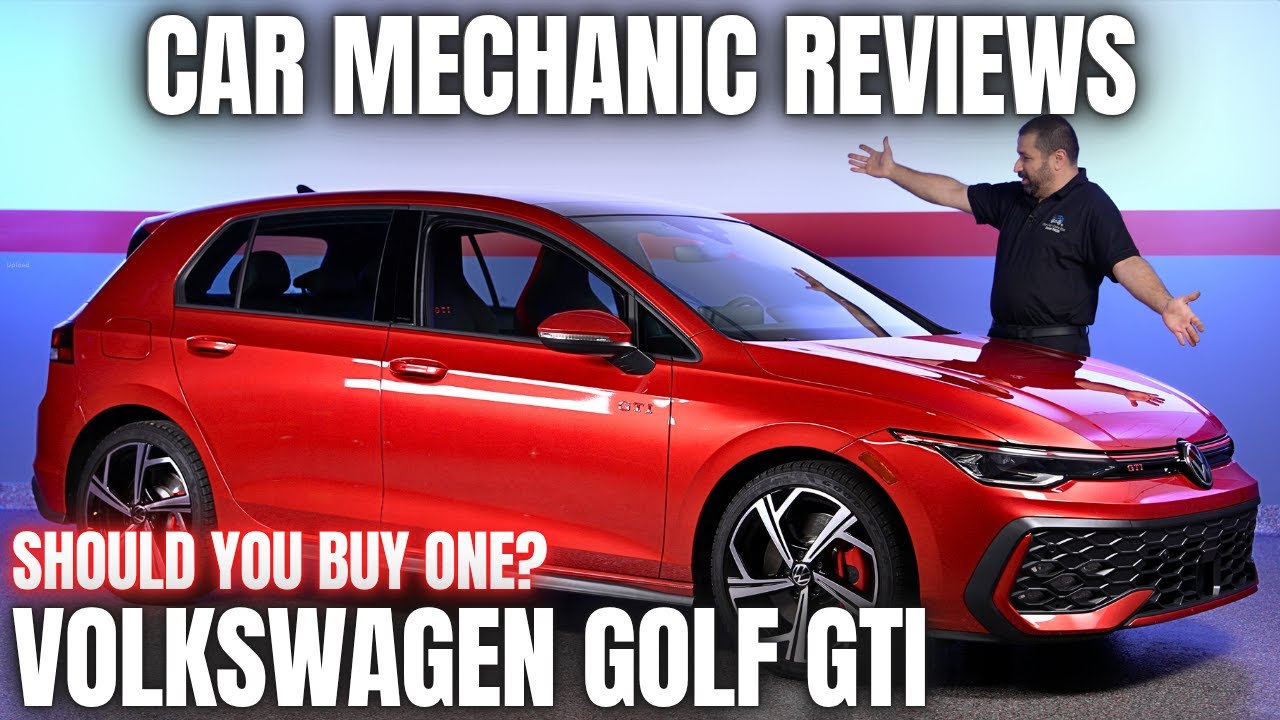
Should You Buy a 2025 Volkswagen Golf GTI? Thorough Review By A Mechanic
As a mechanic who spends days under the hood and weekends behind the wheel, I approach the 2025 Volkswagen golf GTI with the same questions most buyers have: Does it blend daily practicality with genuine driving fun? Are the maintenance costs reasonable for a performance hatch? And is the price tag justified given rival hot hatches? Below is a detailed, mechanic-focused evaluation that covers powertrains, driving dynamics, reliability, ownership costs, and practical tips for buyers of the 2025 Golf GTI.
Fast verdict for buyers
- excellent driving dynamics: precise steering, balanced chassis, and engaging noise levels make it one of the best handling hot hatches in its class.
- Power and transmission options: a turbocharged 2.0-liter engine delivering strong punch, paired with either a manual transmission or a dual-clutch automatic (DSG) depending on trim and market.
- Interior quality and tech: well-built cabin, user-friendly infotainment with modern connectivity, and practical cargo space for a hatchback.
- Ownership costs: competitive maintenance, but be mindful of routine service costs and potential electronics-related repairs that can arise with newer tech.
- Value proposition: strong for enthusiasts who want a daily driver that doubles as a capable track-day companion, but consider rivals if you prioritize sheer interior space or ultra-high efficiency.
Performance and engineering
The 2025 Golf GTI sits squarely in the compact performance car category, offering a potent turbocharged engine, refined chassis tuning, and a refined interior. Here’s what you should know from a mechanic’s perspective.
Powertrain and outputs
- Engine: 2.0-liter turbocharged inline-four that has powered the GTI for years, refined for smoother torque delivery and better mid-range pull.
- Horsepower and torque: roughly 241 horsepower with torque around 273 lb-ft, depending on market and transmission.The punch is strongest in the mid-range, which makes everyday merging and passing effortless.
- Transmissions: available with a manual transmission in some markets and trims, plus a 7- or 8-speed dual-clutch automatic (DSG) depending on the region. The DSG is exceptionally quick for daily driving and aggressive launches, while the manual appeals to enthusiasts who enjoy a more tactile driving experience.
Performance and driving dynamics
What makes the GTI special is not just the horsepower figure but how the car communicates with the driver. A well-tuned chassis, a balanced weight distribution for a front-drive car, and a calibrated electronic differential (VAQ) work together to deliver composure in corners and confident grip on slick or uneven pavement. Expect:
- Steering: direct, communicative steering with good weighting at speed and during cornering. The feedback is not raw like a pure track car, but it’s precise enough to trust at the limit.
- Handling: cornering balance is one of the GTI’s strongest suits. It remains composed with quick transitions and minimal understeer in most practical road situations.
- Ride comfort: adaptive dampers (where equipped) help absorb road imperfections without dulling the driving experience.Even on fixed-suspension setups, the GTI manages to feel both sporty and livable.
- Braking: strong and progressive, with good pedal feel. stopping power holds up well under spirited driving and track sessions.
Fuel economy and efficiency
For a performance hatch, the GTI remains reasonably efficient. Expect mid-20s to high-30s mpg depending on driving style, transmission choice, and road conditions. Real-world numbers usually fall in the 28–34 mpg range for mixed driving. The turbocharged engine benefits from modern fuel-saving tech, but aggressive driving will impact economy more than a less powerful compact would.
Interior, tech, and practicality
Infotainment and connectivity
- infotainment: contemporary VW MIB3 system with crisp graphics,responsive touchscreens,and intuitive menus. Apple CarPlay and Android Auto are standard, with wireless integration in many trims.
- digital cockpit: a customizable virtual instrument cluster provides performance data such as g-forces, lap times, and power delivery graphs, which can be appealing to track-day enthusiasts.
- Sound and climate: a competent audio setup with supportive climate controls and, in higher trims, additional comfort features like heated/cooled seats and dual-zone climate.
Interior materials and comfort
- Seating: sport-forward seats with good lateral support for long drives and spirited cornering. Some trims offer additional bolstering and leatherette or leather surfaces.
- Space: practical hatchback layout with adequate rear-seat headroom for adults and versatile cargo space behind the rear seats. The rear seats fold flat to expand cargo capacity for longer items.
- Build quality: solid panels, well-fitted trim, and robust switches contribute to a premium feel that’s competitive with othre premium-feeling compact cars in the segment.
Cargo and practicality
the Golf GTI maintains a practical hatchback footprint. It’s not a dedicated family hauler, but it accommodates daily gear, groceries, and weekend gear with ease.For larger payloads or unique cargo needs, the flexible rear seat setup and reasonable loading height make it more convenient than some rival hot hatchbacks.
Reliability and maintenance
Reliability and cost of ownership are critical for buyers who want a performance car that remains dependable and affordable to service. Here’s a realistic mechanic’s view of what to expect with the 2025 GTI.
What owners report and common issues
- Engine health: the 2.0-liter turbo is robust when properly maintained, but like many turbo engines, neglecting regular oil changes and using poor-quality oil can accelerate wear.
- EFI and electricals: infotainment glitches or occasional sensor warnings can occur, frequently enough resolved with software updates or resets. Ensure firmware is up to date at service visits.
- Clutch and transmission: the DSG variant is reliable when serviced on schedule. Issues are less common than in early DSG systems, but whines, rough engagement, or delayed shifts frequently enough point to synchronizer or fluid concerns that should be checked by a tech.
- Turbo and intake: periodic checks for boost leaks or oil consumption are prudent.A noticeable decline in throttle response or an unusual exhaust sound warrants inspection.
- Brakes and tires: like most performance hatchbacks, brake pads and tires wear at a faster rate with aggressive driving. Plan for more frequent tyre rotations and pad checks if you track or push the GTI hard.
maintenance schedule and costs
Maintenance costs for the Golf GTI are generally in line with premium compact rivals. Routine items to budget for include oil changes, brake service, tire replacement, and wheel alignment. Here’s a concise overview:
- Oil changes: typically every 7,500–10,000 miles (depending on model and oil spec); synthetic oils are common in this class.
- Brake service: pads and rotors may wear faster with sporty use; rotor wear is often visible in aggressive driving or track days.
- Tire replacement: performance tires tend to wear more quickly; plan for improved grip at the expense of tread life.
- Software updates: VW often bundles these with maintenance visits, addressing infotainment and drive mode tweaks, which can improve reliability and smoothness.
Ownership costs, warranty, and value
Understanding total cost of ownership helps you compare the 2025 GTI with rivals. This includes purchase price, depreciation, insurance, fuel, maintenance, and repairs over time. Here are the key points to consider.
Warranty and coverage
- Basic warranty: cover typical bumper-to-bumper issues for a standard period (check local offers). AWD variants may have similar coverage but confirm specifics in your market.
- Powertrain warranty: typically included for a longer span than basic coverage, offering peace of mind for engine and transmission components.
- Maintenance programs: VW sometimes offers prepaid maintenance or bundled service plans; evaluate if these align with your expected ownership period and driving style.
Value proposition relative to rivals
Compared with rivals such as the Honda Civic Si, Hyundai Elantra N, Mazda3 Turbo, or Subaru WRX, the Golf GTI typically shines in ride quality, refined cabin, and daily usability.It frequently enough sits at a price premium versus base models of some rivals but provides a more premium interior feel and a higher-quality driving experience. If you value a refined, practical daily driver that can also run a fun back-road loop, the GTI tends to offer strong long-term value.
Comparisons to rivals
Here’s a snapshot comparison to help you gauge where the 2025 Golf GTI fits in the crowded hot-hatch landscape.
| Model | Strengths | trade-offs |
|---|---|---|
| 2025 Volkswagen Golf GTI | Balanced handling, refined interior, strong turbo engine, practical hatch | Higher initial price vs base rivals; limited back-seat space vs some rivals |
| Honda Civic Si | Excellent reliability, engaging chassis, excellent value | Less premium interior feel; interior materials not as upscale as VW |
| Hyundai Elantra N | More aggressive performance, strong straight-line speed, value pricing | Ride can be stiffer; interior design less premium |
| Mazda3 Turbo | Brisk acceleration, stylish interior, naturally aspirated turbo feel | Rear seat and cargo space not as spacious as GTI |
| Subaru WRX | All-wheel drive availability, strong performance engine | Weight and complexity; interior not as refined as GTI |
First-hand experiences and case studies
Real-world impressions from owners and enthusiasts add nuance beyond official specs. Here are representative takeaways from a few short, anonymized anecdotes that reflect common themes:
- A daily driver who tracks the GTI on weekends notes excellent steering feedback and predictable handling, with the DSG delivering quick, faultless shifts during spirited drives. He warns that aggressive driving magnifies wear on tires and brakes, so plan accordingly.
- A longtime VW owner praises the interior quality and connectivity, but mentions software update cycles can occasionally cause short-lived glitches that require a dealer visit.
- Another owner highlights the practical cargo space and cozy seating for daily commutes, while appreciating the hatch’s usability for weekend getaways and grocery runs alike.
Pros and cons
- Pros:
- excellent driving dynamics and steering precision
- Practical hatch with versatile cargo space
- Strong turbocharged engine with flexible transmission options
- high-quality interior and modern tech
- Solid resale value in many markets
- Cons:
- Higher purchase price compared with some rivals
- Maintenance and tire costs can be noticeable with aggressive use
- Some markets only offer DSG; purists who want a pure manual may be limited depending on region
Benefits and practical tips for buyers
- Test-drive with a focus on transmission behavior: DSG quickness, engagement, and potential downshifts under load. If you prefer a manual, verify availability in your market and model year.
- Check maintenance history: ensure timely oil changes and service visits, especially if the car has seen track days or aggressive driving.
- Inspect tires and brakes: performance tires wear quickly; consider a tire-and-brake budget if you plan frequent spirited drives.
- Battery and electronics: modern VW systems rely on multiple sensors and software. Ensure infotainment, camera systems, and driver-assist features function smoothly after a test drive.
- Warranty and service plans: evaluate maintenance packages and extended warranties to optimize ownership costs over time.
Case studies: ownership scenarios
To illustrate practical outcomes, consider these simplified scenarios based on typical owner profiles:
- Urban commuter who also enjoys weekend canyon drives: benefits from the GTI’s refined interior and compact size. A DSG-equipped version offers stress-free daily driving, while the performance mode injects excitement when desired.
- Weekend track-day enthusiast: the GTI’s chassis balance shines on twisty roads, but tires and brakes will wear faster. Budget for more frequent tire changes and brake service after a few sessions.
- Family buyer who values safety and space: while the GTI isn’t a minivan,it provides practical cargo space and modern safety features,making it a strong choice to some sports-oriented compact options.
Frequently asked questions
Should you buy the 2025 Golf GTI new or used?
New offers the latest tech, optimized safety features, and a full warranty. Used can be attractive if you want to maximize value, especially if you find a well-maintained example with a clean maintenance history and lower depreciation. Consider the year,mileage,and remaining warranty when weighing the decision.
Is the 2025 GTI reliable enough for daily use?
Yes, provided it receives regular maintenance and the usual checks that come with any turbocharged modern car. VW has a solid track record in this segment, but as with any high-performance vehicle, attentive upkeep matters more than ever.
What should I budget for ownership costs?
In addition to the purchase price or monthly payment, plan for standard maintenance (oil changes, tires, brakes), insurance, and fuel. If you plan track days or enthusiastic driving, set aside a higher maintenance reserve for tires and components that wear more quickly.
Practical buying tips for the 2025 Golf GTI
- Request a full vehicle history report if buying used to verify maintenance and ownership.
- Have a trusted mechanic perform a pre-purchase inspection focusing on the engine,turbo system,transmission,suspension,and electronics.
- Test-drive on mixed roads and highway to assess NVH (noise, vibration, harshness), ride comfort, and transmission behavior in different modes.
- Evaluate the infotainment system for ease of use and reliability; software glitches can affect daily usability.
- Compare trims and options carefully. Some packages add desirable items like adaptive dampers, upgraded audio, or advanced driver-assistance features that affect long-term value.
Key specifications snapshot
| Specification | 2025 Golf GTI | Notes |
|---|---|---|
| engine | 2.0L turbocharged inline-4 | Turbo, gasoline |
| Horsepower | ~241 hp | market/trim dependent |
| Torque | ~273 lb-ft | Low-end to mid-range torque |
| Transmission options | Manual or DSG (region dependent) | Manual for enthusiasts; DSG for convenience and performance |
| 0-60 mph | Approximately 5.2–5.6 seconds | Depends on drivetrain and fuel quality |
| Drivetrain | Front-wheel drive with performance-oriented electronics | Optional dynamic handling enhancements in higher trims |
| Infotainment | Modern MIB3 with wireless CarPlay/Android Auto | Strong connectivity and user interface |
| Interior space | Practical hatch with good rear-seat space | Best-in-class for its segment; not a large sedan |
Final thoughts for prospective buyers
The 2025 Volkswagen golf GTI remains a standout in the hot hatch segment for buyers who want a car that blends engaging driving dynamics, daily practicality, and a well-appointed interior. As a mechanic, I appreciate that VW has kept the GTI’s core strengths intact while refining the tech and comfort features that modern buyers rely on. If you value a car that can handle your daily commute with sophistication and then flip the switch for a spirited weekend drive, the 2025 GTI is a compelling option.
Critically important note: always verify the exact availability of features, transmissions, and packages in your local market. VW’s offerings can vary by country and even by dealer, so a few tenths of a second in acceleration or a slightly different interior trim can matter depending on where you buy.