
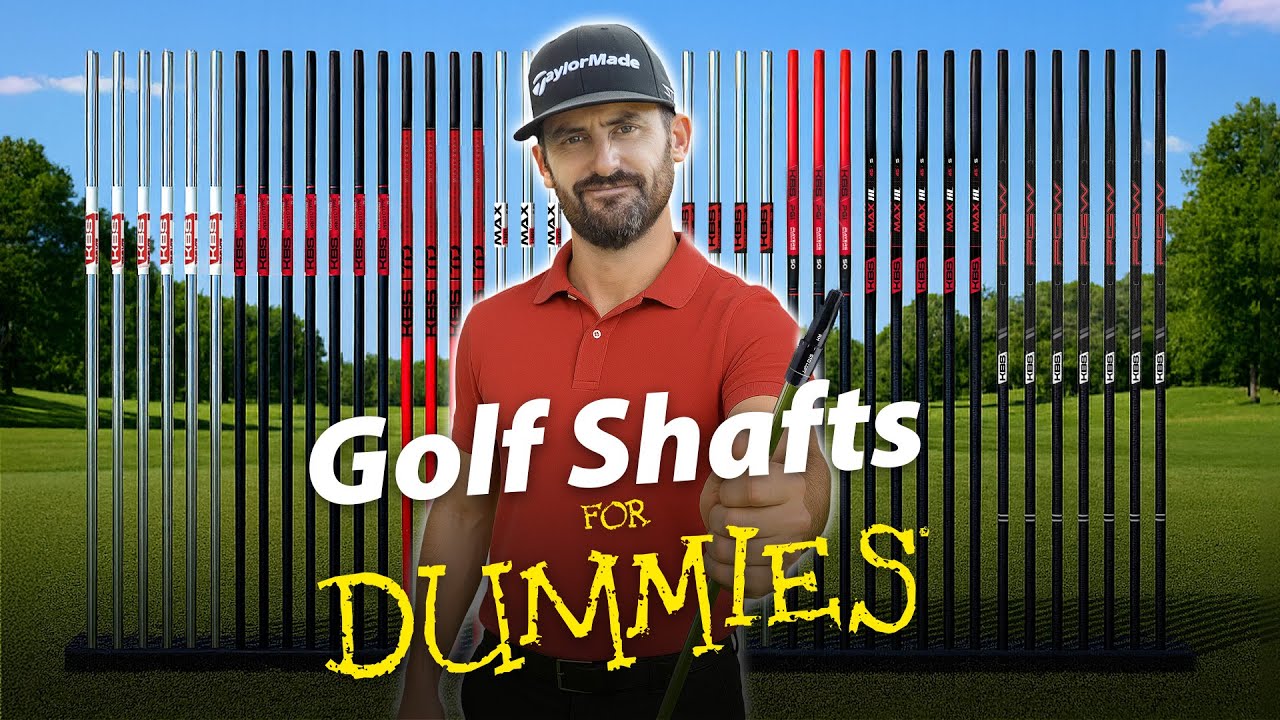
Golf Shafts For Dummies - Every Shaft Flex Explained!
Whether you’re stepping onto the driving range for the first time or dialing in a new set, understanding golf shaft flex is a game-changer.Shaft flex influences distance, accuracy, feel, and how the club loads and releases in your swing. This guide breaks down every shaft flex you’re likely to encounter—from the softest to the firmest—so you can read a spec sheet wiht confidence and make smarter fitting decisions.
Understanding Golf Shaft Basics
Before we dive into the individual flex labels, here are a few essential concepts that affect how a shaft behaves:
- Swing speed is the primary driver of which flex is a good match. Faster swingers generally benefit from stiffer shafts that resist bending at impact.
- Weight and kick point influence feel and trajectory. Lighter shafts tend to feel whippier,while heavier ones feel more stable. Kick point affects launch angle and spin.
- torque (twist) changes how the club twists through impact. Lower torque frequently enough pairs with stiffer shafts for consistency,while higher torque can feel more forgiving but might increase shot dispersion for some players.
- Fitting matters—the best shaft flex is not just about speed. leverage, tempo, and transition in your swing all play a role.
Shaft Flex Categories Explained
Manufacturers use different labels to describe shaft stiffness. The most common set you’ll see on the shelf or in a fitting cart includes L, A, R, SR, S, and X.Here’s what each typically means, plus who it’s frequently enough best for. Remember: brands vary, so use thes as guidelines and always verify with a professional fitter.
L – Ladies (and very soft flex)
Who it’s for: Players with very slow to slow swing speeds, such as many recreational players, some beginners, or those who struggle to get the ball airborne.
- Very soft feel that helps launch the ball with less effort.
- Can reduce left-right dispersion for players who have trouble tracking straight balls,but may feel unstable for faster swingers.
- Sometimes combined with lighter weight to promote faster head speed.
A – Senior (or Amateur) Flex
Who it’s for: Players with slow to moderate swing speeds who want a little more control than an L shaft provides, frequently enough older players or those transitioning from L or R.
- Typically a step up from L in stiffness, offering better control while still helping with launch.
- Often preferred by seniors who generate speed but want consistent ball flight.
- Weight can be light to moderate; feel varies by brand.
R – Regular
Who it’s for: The most common starting point for recreational players with mid-range speeds. Good all-around performer for many golfers.
- Balanced combination of launch, feel, and control for a broad range of players.
- Popular choice for many game enhancement setups.
- Can be too flexible for aggressive swingers who generate higher speeds.
SR – Senior or Senior Regular
Who it’s for: Players who sit between Regular and Stiff, frequently enough faster swingers who still prefer a more forgiving profile.
- Often sold as a bridge between R and S, useful for players who outgrow R but aren’t ready for S.
- May feel more stable than R while preserving a comfortable launch.
- brand-specific labeling: some call this “senior Regular” while others use “Stiff Regular.”
S – Stiff
Who it’s for: Players with relatively fast swing speeds and a desire for precision and tighter dispersion.
- Firm feel that reduces unwanted loading and helps control ballistic shots.
- Launch tends to be lower-to-mid with more work to achieve air time; best for faster tempos.
- Potential downside: can feel harsh if tempo isn’t smooth or if the shaft is too light for the speed.
X – Extra stiff
Who it’s for: Very fast swingers who generate high clubhead speeds and want the utmost stability and control.
- Firmest option commonly available; reduces shaft lag and distal bending at impact.
- may feel overly stiff for many players; can reduce feel and feedback if misfit.
- Use with caution; best results come from a professional fitting and a compatible driver head.
How Shaft Flex Impacts Your Swing
The right shaft flex acts like a spring in your golf swing. It stores energy during the downswing and releases it at impact. A shaft that’s too flexible tends to bend too early, creating a rise in trajectory and a loss of control. A shaft that’s too stiff can cause overcompensation, leading to right-left dispersion and a lower launch. Here’s how the common flex families tend to influence your game:
- launch angle: Softer flex (L, A) generally promotes higher launch for slower speeds; stiffer flex (S, X) frequently enough lowers launch for faster speeds.
- Spin rate: Softer flex can produce more spin on mis-hits, while stiffer flex can definitely help reduce spin and promote a flatter trajectory for some players.
- Consistency and feel: A shaft that matches tempo and speed tends to deliver more consistent ball striking and tighter dispersion.
- Distance vs. accuracy: The goal is not just maximum distance but the right distance with the right direction and consistency.
Matching Shaft Flex to Swing Speed: Practical Guidelines
These guidelines are starting points. Every golfer is unique, and minor changes in weight, kick point, and shaft length can shift the result. A proper fitting session will confirm the best option for your swing.
- Slow swing speeds (under ~85 mph): Consider L or A flex shafts to promote easier launch and higher flight. Weight matters—lighter shafts can definitely help you increase clubhead speed without overloading the swing.
- Moderate swing speeds (~85–95 mph): Regular (R) or Senior Regular (SR) are common choices. Look for a balance of launch, accuracy, and feel.
- Average to fast swing speeds (~95–105 mph): Stiff (S) is frequently enough a good fit, offering control and stability. Some players may opt for SR if they want a touch more forgiveness than an S shaft provides.
- Very fast swing speeds (>105 mph): X (extra Stiff) is typically chosen for maximum stability and consistency; ensure the head and shaft weight do not cause late timing issues.
To visualize how these guidelines can map to players, you can use the following quick reference:
| Flex | typical Swing Speed Range* | Common Player Type | Notes |
|---|---|---|---|
| L | up to ~85 mph | women, seniors, beginners | Soft feel, easier launch |
| A | ~85–95 mph | Slow to moderate speeds | Moderate launch, better control |
| R | ~90–105 mph | Average recreational players | Balanced performance |
| SR | ~95–105 mph | Between R and S | Bridge between R and S, softer than S |
| S | ~100–110 mph | Faster swingers | Stability and control |
| X | > ~110 mph | Very fast swingers | Maximum stability, best with proper fitting |
| *Swing speed ranges are approximate and brand-dependent. Always confirm with a club fitter. |
Other Shaft Factors That Matter
Flex is not the only variable. If you want to optimize your shaft selection,consider these characteristics as well:
- Weight: Lighter shafts can help generate swing speed but may reduce feel; heavier shafts can promote stability for fast tempos.
- Kick point (tip section): High kick points yield lower launch and lower spin; low kick points promote higher launch and more spin. The kick point interacts with your swing’s timing and attack angle.
- Torque: Low-torque shafts twist less through impact, producing tighter dispersion for fast swingers; higher torque can feel more forgiving but slightly more dispersion for some players.
- Weight distribution and balance: The overall feel (tip-heavy vs. butt-heavy) affects tempo and timing,influencing how well you synchronize your swing with the shaft.
- Length and accessory components: Shaft length and grip size matter. A longer shaft can add distance through increased leverage but may reduce accuracy if not fit properly.
Benefits and Practical Tips for Shaft Flex Selection
Quick wins when selecting shaft flex:
- Get a professional fitting rather than guessing based on a single metric like swing speed.
- Test multiple flexes on the same model head to isolate the shaft’s impact on feel and flight.
- Consider your tempo and transition. A smoother tempo may benefit from a slightly softer flex; a quick tempo may need a stiffer option.
Case Study: A Practical Firsthand Experience
chris, a weekend golfer who played with a stock Regular shaft, found his drives felt inconsistent and often sailed high, with a tendency to push to the right. After a fit, he switched to a Senior Regular (SR) shaft with a modest weight reduction. The result?
- Launch angle increased moderately, producing more carry and favorable stacking of distance with accuracy.
- Dispersion tightened on most miss-hit shots, especially toward the target line.
- Tempo remained smooth; the shaft’s softer feel allowed him to release slightly later in the swing, increasing control without sacrificing distance.
Takeaway: A bridge shaft like SR can be a strategic step for players who outgrow Regular but are not ready to go to stiff. A proper fitting can confirm whether a bridge shaft or a dedicated flex is the best long-term choice.
Choosing the Right shaft Flex: A Simple Checklist
- Determine your approximate swing speed using a launch monitor or a fitting cart.
- Try at least two flex options near your target range (e.g., R and SR, or S and SR) on the same head.
- Evaluate launch angle, spin rate, and shot dispersion, not just distance.
- Assess how the shaft weight and kick point affect your tempo and timing.
- Ask a certified club fitter to recommend a shaft weight, length, and grip size that complements your build and swing.
Common Myths About Shaft Flex
- “Faster swing speed always means X flex.” Not necessarily—fit and tempo matter just as much as speed.
- “All players should aim for stiffer shafts for accuracy.” Stiff shafts do not guarantee accuracy; the right fit depends on your tempo and release pattern.
- “A softer shaft will always launch higher.” While softer shafts can definitely help launch for some players,improper fit can increase spin and reduce distance.
- “Letter labels are global.” Brands vary in how they label flex; always test and confirm with a fitter.
Maintenance and Care for Golf Shafts
- Inspect shafts for micro-scratches, dents, or cracks after contact with rocks or carts.Damaged shafts can impact performance and safety.
- Keep clubs dry and clean. Wipe down shafts after rounds to prevent moisture and residue buildup.
- avoid excessive bending or torque beyond the manufacturer’s recommendations.
- Ask a professional to re-tip or re-shaft as part of a club upgrade or fitting session.
Frequently Asked Questions (FAQ)
How do I know my swing speed?
The most reliable method is a launch monitor or a club fitting session. If you don’t have access, a golf pro can give you an educated estimate based on your distance with a driver and how your ball flight behaves. Remember, your tempo and transition also influence the best shaft choice.
What shaft flex should a beginner use?
A beginner frequently enough benefits from a softer flex (L or A) to promote easier launch and higher ball flight.Though, if a beginner has trouble releasing the club or tends to push or pull, a tuned fitting with a slightly stiffer option may help control direction better.Always test multiple options with a qualified fitter.
Can changing shaft flex affect distance?
Yes. The right flex can improve launch and spin optimization, which often translates to more distance. A shaft that’s too soft or too stiff can reduce energy transfer or increase dispersion, ultimately reducing distance.The goal is to maximize carry while maintaining accuracy.
Should I consult a club fitter?
Absolutely. A club fitter will analyze your swing, tempo, launch conditions, and impact dynamics. They’ll recommend a shaft family, weight, length, and grip that align with your goals and physical attributes.
Final Thoughts: Shaft Flex as Part of a Holistic Setup
Choosing the right golf shaft flex is a blend of science and feel. It’s not only about matching a label to your speed but about harmonizing the shaft with your tempo, launch, and the clubhead you use. A well-fitted shaft improves consistency, reduces dispersion, and can unlock meaningful gains in distance without sacrificing accuracy.Whether you’re just starting out or re-evaluating an aging setup, a structured fitting approach centered on shaft flex can pay dividends on the course.
Additional Resources for Your Fitting Journey
- Visit a certified fitting center and ask for a comparison between R,SR,and S in the same model family.
- Experiment with different shaft weights within the same flex category to feel the impact on tempo and launch.
- Use launch monitor data to understand how changes in flex influence carry, total distance, launch angle, and spin rate.