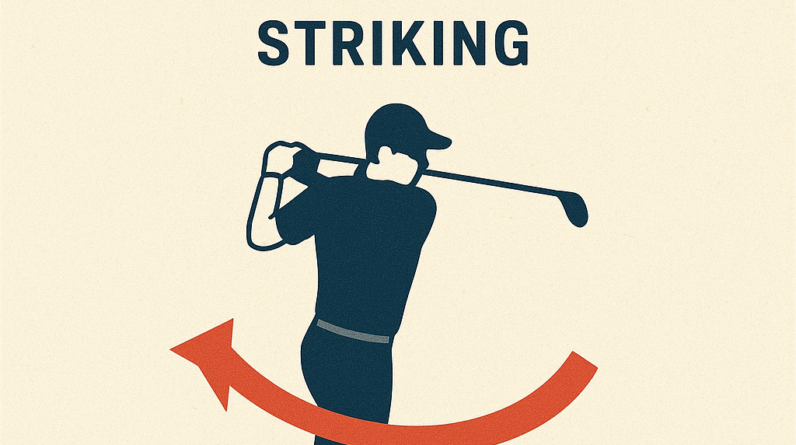

Weight Transfer: A simple focus for better ball striking
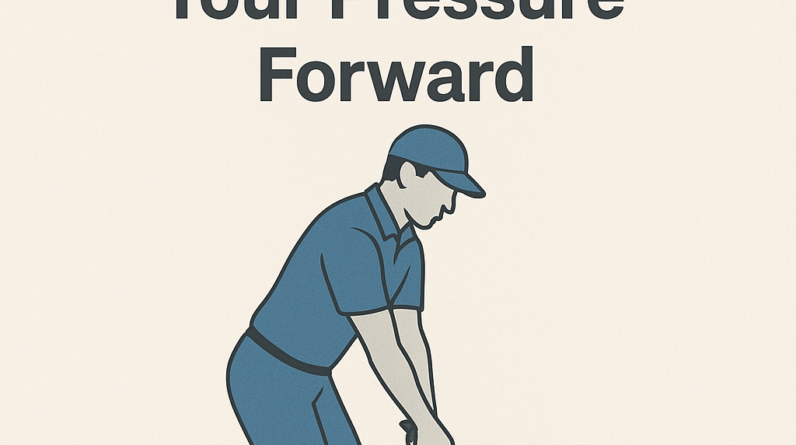
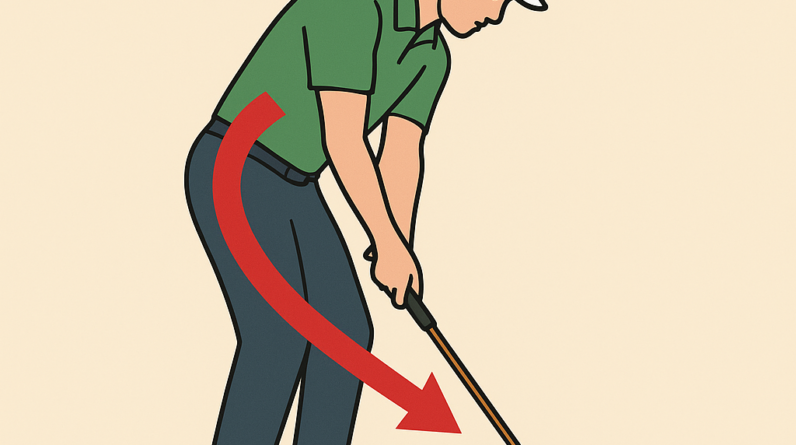
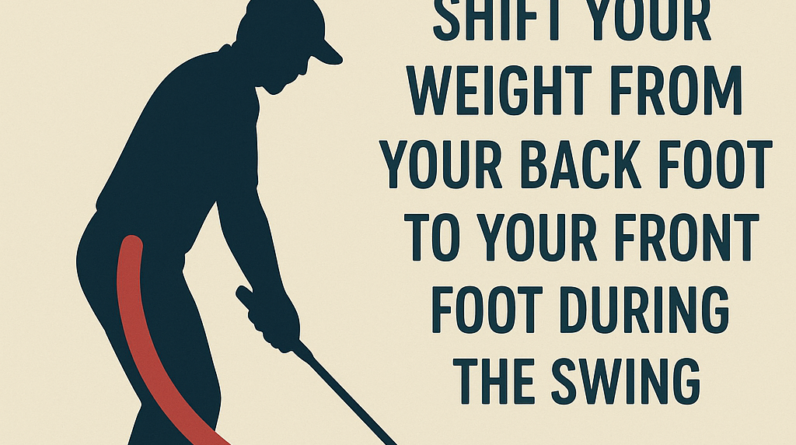
For a beginner-to-intermediate golfer, one of the most impactful concepts is how you move your weight through the swing. Weight transfer means shifting your balance from your trailing foot (the right foot for a right-hander) toward your lead foot (the left foot) as you move into and through impact. You’re not “lifting” the ball; you’re allowing your body to rotate and your legs to drive the clubhead toward the target.
What the concept is
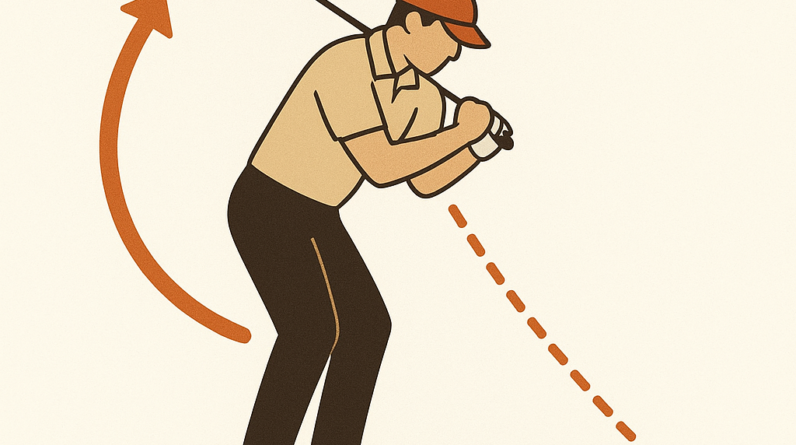
- Initiate the downswing with your lower body, letting the hips rotate toward the target.
- As you approach impact, your weight should progressively move off the trailing foot and onto the lead foot.
- The transfer happens in a controlled sequence, not as a sudden lunge or a pure weight shift to the front without rotation.
Why it matters to the golf swing
- Helps you return the clubface to square at impact by aligning your body to the target.
- Increases power and consistency by using big muscles (hips and legs) rather than relying on the arms alone.
- Promotes solid contact, reducing fat shots (hitting the ground too early) and thin shots (hitting too much off the heel).
What you should feel when it’s right
- During the downswing, you feel your weight gradually press into the lead foot as your hips turn toward the target.
- Your spine stays fairly tall and steady; you don’t sway sideways or jump off the ball.
- After impact, your weight finishes on the lead foot with a balanced, athletic finish.
2–3 common mistakes
- Mistake 1: Staying back on the trailing foot through impact. The right heel stays heavy, and you often hit off the toe or thin the ball.
- Mistake 2: Excessive lateral sway instead of a rotational transfer. You move sideways toward the target rather than rotating around a stable spine.
- Mistake 3: Moving weight forward too early in the downswing. The weight shifts to the front foot before the clubface is ready, causing loss of posture and inconsistent contact.
Simple, actionable fixes for each mistake
- Fix for Mistake 1: Feel the pressure building in the lead foot as you approach impact. Keep your trail foot light and ready to pivot—don’t slam your weight forward all at once. Pause for a moment at impact to check that most of your weight is on the lead foot.
- Fix for Mistake 2: Practice turning your hips first, not sliding your body. A good cue is to imagine your belt buckle aiming at the target while your upper body stays over the mid-foot. Maintain your spine angle and let rotation do the work.
- Fix for Mistake 3: Slow the tempo a touch in the downswing and “wait” to shift weight until you reach the point where the lead leg can comfortably support the club. Aim to feel the transfer occurring as the club reaches the waist-high zone, not before.
One easy drill you can do at home or on the range
Step-Through Drill: Start with your feet together and a comfortable stance. Take a half-swing and focus on rotating your hips toward the target. As you reach impact, step your lead foot forward into its normal position and finish with your weight clearly on that lead foot. Do 8–12 reps, keeping the spine tall and the hands quiet. The step helps you feel the forward transfer without collapsing your posture.
Tip: mirror yourself or film a swing to confirm you’re not losing balance or slipping off the ball. With consistent practice, weight transfer becomes a natural rhythm that supports solid contact and more distance.
Weight Transfer Made Simple: A Beginner-Friendly Key to Better Ball Striking
Weight Transfer: A simple focus for better ball striking
For a beginner-to-intermediate golfer, one of the most impactful concepts is how you move your weight through the swing.Weight transfer means shifting your balance from your trailing foot (the right foot for a right-hander) toward your lead foot (the left foot) as you move into and through impact. You’re not “lifting” the ball; you’re allowing your body to rotate and your legs to drive the clubhead toward the target. A clean transfer helps you maintain posture, stay loaded, and deliver the clubface squarely at impact for crisp contact and more distance.
what the concept is
- Initiate the downswing with your lower body, letting the hips rotate toward the target.
- As you approach impact, your weight should progressively move off the trailing foot and onto the lead foot.
- The transfer happens in a controlled sequence,not as a sudden lunge or a pure weight shift to the front without rotation.
Why it matters to the golf swing
- Helps you return the clubface to square at impact by aligning your body to the target.
- Increases power and consistency by using big muscles (hips and legs) rather then relying on the arms alone.
- Promotes solid contact, reducing fat shots (hitting the ground too early) and thin shots (hitting too much off the heel).
What you should feel when it’s right
- During the downswing, you feel your weight gradually press into the lead foot as your hips turn toward the target.
- Your spine stays fairly tall and steady; you don’t sway sideways or jump off the ball.
- After impact, your weight finishes on the lead foot with a balanced, athletic finish.
2–3 common mistakes
- Mistake 1: Staying back on the trailing foot through impact. The right heel stays heavy,and you frequently enough hit off the toe or thin the ball.
- Mistake 2: Excessive lateral sway rather of a rotational transfer. You move sideways toward the target rather than rotating around a stable spine.
- Mistake 3: Moving weight forward too early in the downswing. The weight shifts to the front foot before the clubface is ready, causing loss of posture and inconsistent contact.
Simple, actionable fixes for each mistake
- Fix for Mistake 1: feel the pressure building in the lead foot as you approach impact. Keep your trail foot light and ready to pivot—don’t slam your weight forward all at once.Pause for a moment at impact to check that most of your weight is on the lead foot.
- Fix for mistake 2: Practice turning your hips first, not sliding your body. A good cue is to imagine your belt buckle aiming at the target while your upper body stays over the mid-foot. Maintain your spine angle and let rotation do the work.
- Fix for Mistake 3: Slow the tempo a touch in the downswing and “wait” to shift weight until you reach the point where the lead leg can comfortably support the club. Aim to feel the transfer occurring as the club reaches the waist-high zone, not before.
One easy drill you can do at home or on the range
Step-Through Drill: Start with your feet together and a pleasant stance.Take a half-swing and focus on rotating your hips toward the target. As you reach impact, step your lead foot forward into its normal position and finish with your weight clearly on that lead foot. Do 8–12 reps, keeping the spine tall and the hands quiet. The step helps you feel the forward transfer without collapsing your posture.
Tip: mirror yourself or film a swing to confirm you’re not losing balance or slipping off the ball. With consistent practice,weight transfer becomes a natural rhythm that supports solid contact and more distance.
Benefits of proper weight transfer
Understanding and training weight transfer unlocks several tangible benefits on the golf course. Here are the primary advantages you can expect as you develop a more reliable transfer:
- Better contact: A stable spine and well-timed weight shift promote solid contact, reducing fat and thin shots.
- Increased power: Engaging the hips and legs in the downswing generates more clubhead speed than relying primarily on the arms.
- Consistency: A repeatable transfer pattern reduces variability in your impact location, leading to more predictable ball flight.
- Posture maintenance: A rotational transfer keeps you from scooting or collapsing, preserving spine angle and balance.
- Target alignment: When weight shifts correctly, your torso and hips naturally rotate toward the target, helping the clubface square up at impact.
Practical tips to train weight transfer
- Balance cues: Think of your spine as a vertical pillar. Rotate around it rather than sliding side to side.
- Foot pressure awareness: With a good setup, you should feel the pressure building from the middle of your trail foot toward the lead foot as you approach impact.
- Tempo control: Maintain a smooth tempo in the downswing. Rushing weight transfer frequently enough leads to mis-timing and inconsistent contact.
- Posture checks: Use a mirror or record swings to ensure you’re not dipping or lifting your head as you transfer weight.
- Grip pressure: Keep a light-to-moderate grip pressure. Excessive grip tension can inhibit smooth rotation and weight flow.
Progression drills: from static to dynamic transfer
the following progression helps golfers build the feel of weight transfer in a controlled, repeatable manner. Start with the simpler drill and advance as you gain confidence and balance.
| Progression | What you do | Focus |
|---|---|---|
| 1. Feet-tap rotation | From a square stance, rotate hips toward the target and tap the lead foot forward lightly as you rotate. | Hip rotation, balance |
| 2. Rack-and-step | Take a half backswing, then step the lead foot to its normal position at impact, finishing with weight on the lead foot. | Sequencing, weight transfer |
| 3.Impact pause | Pause for a breath at waist-high to confirm weight on lead foot before finishing. | Control, posture |
| 4. Full-speed with mirrors | Use a mirror or video to ensure spine angle remains tall while transferring weight through impact. | Consistency,tech feedback |
Case studies and first-hand experiences
Case Study 1: From fat shots to solid contact
A 45-year-old recreational player struggled with fat shots and inconsistent contact. After four weeks of emphasizing weight transfer drills and the Step-Through drill, he reported fewer fat shots and a noticeable lift in carry distance.The golfer noticed his lead foot finishing heavier and his hips rotating through impact.A simple tempo adjustment and the practice drills helped him lock in a more repeatable pattern.
Case Study 2: Maintaining posture under pressure
an amateur who tended to sway during pressure shots found that cueing the belt buckle toward the target helped keep his upper body quiet and his spine angle intact. With progressive drills and video feedback, his ball flight stabilized, and his scorecard showed more greens in regulation after three rounds.
First-hand experience: tips from the practice grid
In my experience coaching beginners, weight transfer is the easiest concept to feel when broken into cues. Here are practical tips I frequently share on the range:
- Use a small ball or alignment sticks to ensure your feet and hips rotate rather than slide.
- Start with slow, controlled movements before increasing speed. Precision beats power at the transfer stage.
- Record your swing from the side to observe how your trail foot stays light and your lead knee accepts the weight.
Common questions about weight transfer
Is weight transfer the same as weight shift?
Weight transfer is the intentional, rotational movement of your body from the trailing foot to the lead foot during the downswing and into impact.Weight shift is a broader term that can be interpreted as any shifting of weight, but in golf, an effective weight transfer emphasizes controlled rotation around the spine and a smooth front-side finish. In practice, the terms are related, but weight transfer implies a specific sequencing that optimizes contact and power.
Do I need to push off the back foot?
Not exactly.You don’t have to “push” off the back foot in a forceful lunge. The goal is to initiate the downswing with the hips and lower body so that your weight naturally shifts onto the lead foot as the club approaches impact. A controlled, rotational pressure—rather than a brute forward lunge—produces cleaner contact and more consistent direction.
How long should weight transfer take?
In a typical golf swing, the transfer is a brief but distinct moment that occurs during the late downswing into impact.It should feel like a smooth shift rather than a sudden move. With practice,players develop a rhythm where the hips open first,then the torso follows,and finally the arms release into the clubface’s impact zone.
Can weight transfer help with different clubs?
Yes. Irrespective of whether you’re hitting a wedge, iron, or driver, proper weight transfer helps with contact and control. For longer clubs, focus on maintaining balance through a longer, more athletic finish. For wedges, the emphasis is on precision and control, ensuring the weight transfer does not disrupt the delicate feel around the greens.
From theory to on-course application
While concepts are crucial, the real value comes from applying weight transfer on the course. Here are practical ways to integrate the concept into your rounds:
- Before you play a speedy 5-minute warm-up, go through two rounds of the Step-through Drill to set the transfer rhythm.
- Use pre-shot routines to visualize the feeling of weight shifting toward the target as you address the ball.
- On the range, mirror-check your posture at key milestones: takeaway, halfway back, and impact.Confirm your lead-side balance and keep the trail foot light.
Quick-reference checklist for better weight transfer
- Start downswing with lower body rotation rather than arms.
- Progress weight from trailing foot to lead foot with controlled timing.
- Maintain spine angle and avoid lateral sway.
- Finish with most weight on the lead foot and a balanced, athletic finish.
Incorporating weight transfer into lesson plans
For instructors, a focused approach to weight transfer can be structured into a 2–4 week plan. suggested blocks:
- Week 1: Sensorial cues and basic hip rotation drills; ensure posture stability.
- Week 2: Step-by-step transfer sequencing with the lead-foot finish; measure contact consistency.
- Week 3: Tempo control and chain-link drills (downswing to impact to finish) with video feedback.
- week 4: On-course integration and course management considerations using weight transfer principles for different clubs and shot shapes.
Conclusion-free wrap-up (practical emphasis)
Weight transfer is not about foot stomping or forceful moves; it’s about efficient sequencing, rotation, and balance. When you initiate the downswing with your hips, allow the weight to shift naturally from the trailing foot to the lead foot, and finish with a stable, athletic pose, you’ll see more consistent contact, improved power, and better targeting—whether you’re teeing off with a driver or pitching around the green.