
Weight Transfer: The Key to Consistent Ball Striking
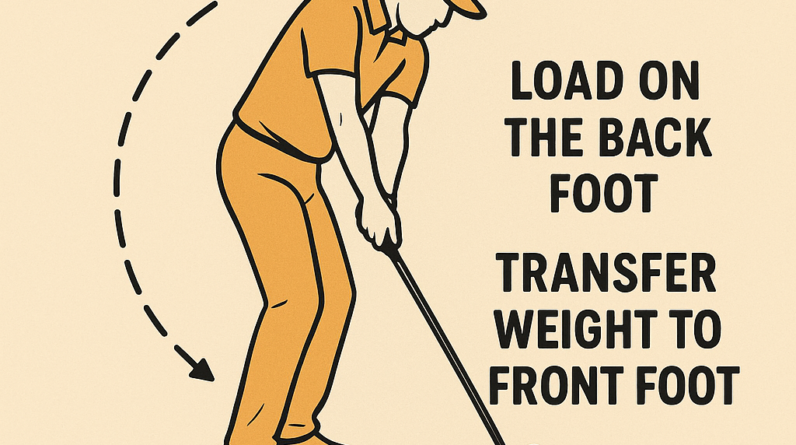
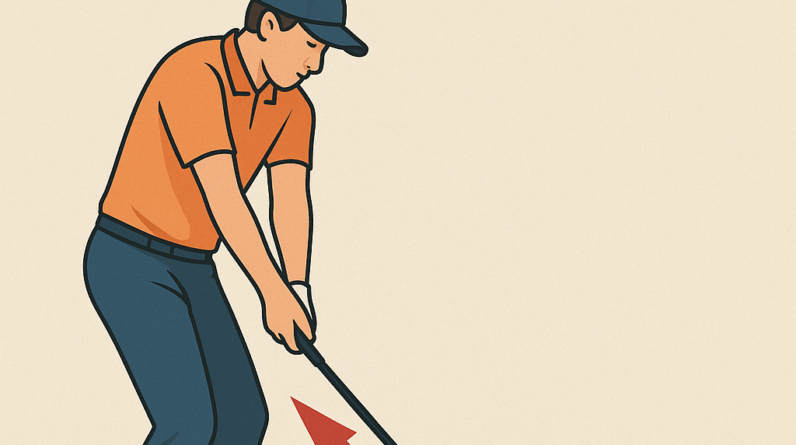
Today we’ll zoom in on one focused area of the golf swing that makes a big difference for all levels: weight transfer. Think of it as moving your center of gravity smoothly from the back foot to the front foot through the downswing and into the follow‑through. When done well, it helps you strike the ball solidly and control your direction and distance.
What the concept is
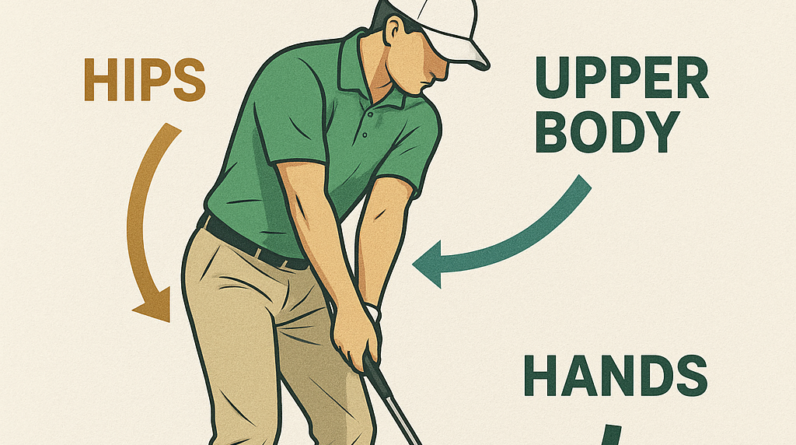
Weight transfer is the deliberate shift of your body weight from your trailing foot (the right foot for right‑handers) toward your lead foot (the left foot for right‑handers) as you swing. Instead of swinging with your upper body while your hips stay still, you allow the lower body to lead the motion. Done well, this creates a stable base at impact and a clean, compressive strike.
Why it matters to the golf swing
- Helps you make solid contact more often, not fat or thin shots.
- Improves ball flight consistency by promoting the correct finger/hand release timing with the body’s turn.
- Supports better control of where the clubhead meets the ball, which translates to straighter shots and better distance control.
What the golfer should feel when doing it correctly
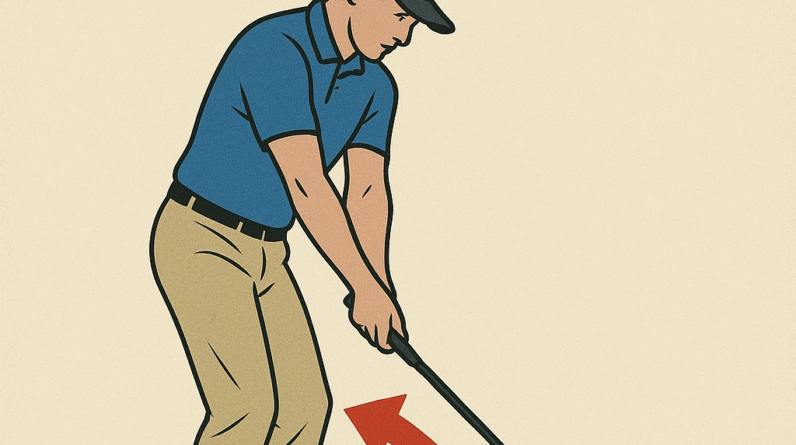
- Slight pressure shift toward the lead foot as you approach impact.
- Your hips rotate to help move weight forward, while your spine stays relatively tall and stable.
- You feel the trail leg unloading and the front knee and ankle accepting the majority of the load at impact.
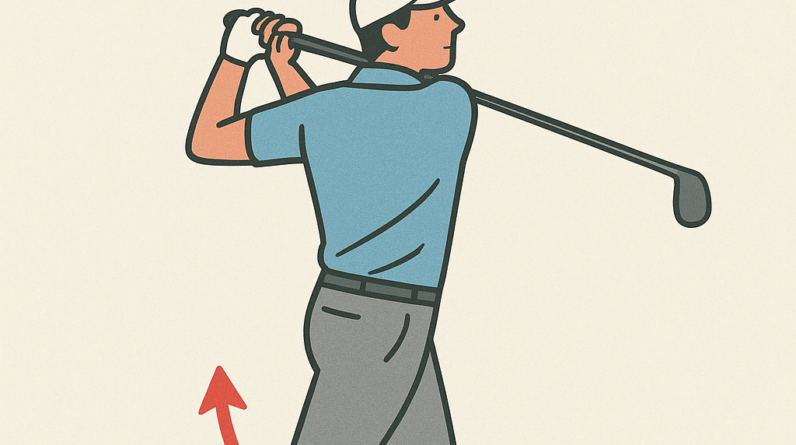
- Your upper body unwinds in sync with the lower body, finishing with balanced, coordinated momentum going into the follow‑through.
2–3 common mistakes golfers make with this concept
- Mistake 1: Staying too much on the back foot through impact.
Why it hurts: it often leads to thin or topped shots and loss of distance control.
Fix: Feel a deliberate, gradual shift of weight to the lead foot starting a little before impact. Think “press into the lead heel while keeping the knee slightly flexed.” Maintain balance by keeping a gentle spine angle and eyes on the ball. - Mistake 2: Sliding the hips laterally without turning.
Why it hurts: a slide without rotation can throw off your timing and limit the amount of usable power you generate.
Fix: Emphasize turning the hips toward the target as you shift weight. Imagine your belt buckle pointing a bit toward the target at impact. This keeps the move as a turn with weight transfer, not a simple slide. - Mistake 3: Weight transfer happens too late or not at all.
Why it hurts: late transfer can cause late release, inconsistency, and a lot of effort with little payoff.
Fix: Start the downswing with the idea of leading with the lower body. A practical cue is to “feel the tailbone move toward the target” as the hands and arms begin to release. This helps the weight to shift earlier in the downswing.
One easy practice drill you can do at home or on the range
Step-Through Weight-Shift Drill
- Take your normal stance and grip the club.
- Take the club back to about shoulder height and pause for a breath.
- Start your downswing while actively stepping your trail foot forward into a light, controlled step with the lead foot. The motion should feel like you’re moving your whole body forward, not just sliding the hips.
- Finish with a balanced, athletic pose and a stable head position over the lead foot.
Do this drill slowly at first, then gradually increase speed as you feel the weight shift naturally to the lead foot. Repeat 8–12 reps, 2–3 sets. This teaches your body to complete the transfer without sacrificing balance or control.
Focus on one cue at a time, and build the feel over multiple practice sessions. With consistent attention to weight transfer, you’ll notice more reliable contact and better ball flight—even when your range sessions get busy.
Weight Transfer: The Key to Consistent Ball Striking
When athletes learn to shift their weight efficiently through the swing or strike, they unlock a reliable pattern of contact, speed, and control. Weight transfer is about more than moving from one leg to another; it’s the coordinated sequencing of the body’s kinetic chain that turns ground reaction forces into consistent ball striking. Whether you’re chasing distance in golf, accuracy in baseball, or pace in tennis and soccer, mastering weight transfer can elevate yoru performance.
Why Weight Transfer Matters
- Consistency: Proper weight transfer aligns the body’s center of gravity with the target at the moment of impact, reducing off-center strikes and mishits.
- Power generation: The ground is the primary energy source. Efficient weight transfer uses gravity and ground reaction forces to augment club, bat, or foot speed at impact.
- Timing and rhythm: A smooth sequence from backswing to forward shift creates a natural tempo, helping you hit the ball where you intend.
- Injury prevention: by distributing load through the hips and legs rather than forcing the arms or wrist, you reduce abrupt, joint-stressing motions.
- Versatility across sports: The fundamental principles apply from golf to tennis, baseball, cricket, or soccer shots, making weight transfer a universal skill for ball striking.
Biomechanics of Weight Transfer
Center of Gravity and Ground Forces
Weight transfer begins with shifting the body’s center of gravity toward the direction of the intended shot. In a typical forward-directed strike, athletes load the back leg slightly, then progressively move weight into the front leg. This transition loads the muscles of the hips, core, and legs, storing elastic energy that is unleashed at impact. the action generates ground reaction forces that translate into club head, bat, or foot speed.
Sequence: The Kinetic Chain in Action
Effective weight transfer follows a reliable sequence:
- Load phase: Slight knee flexion and hip hinge on the trail side prepare the body to store energy.
- Shift phase: The hip and torso rotate toward the target while the trail foot pivots or plants, transferring weight forward.
- Release phase: Momentum is unleashed through contact,with the front-side leg driving through and the center of mass over the front foot at impact.
- Follow-through: The body continues to move in the direction of the shot, ensuring balance and finish control.
Common Technical Elements
- Center of pressure (CoP) progression: A controlled slide of pressure from the back foot to the front foot signals a solid transfer.
- hip and shoulder sequencing: The hips typically lead the torso, creating rotational acceleration that translates into contact speed.
- Torso angle and spine alignment: Maintaining posture through impact helps preserve transfer and accuracy.
- Footwork and balance: Stable, purposeful foot placement aids in clean weight transfer and reduces skid or slide mishits.
Sport-Specific Weight Transfer: Key Nuances
Golf: Precision through Ground-Reaction Energy
In golf, weight transfer is a critical determinant of ball flight and dispersion. A common pattern is to modestly load the trail foot at takeaway, rotate through the hips, and progressively transfer weight onto the lead leg as the club approaches impact. The objective is to reach a stable, balanced impact with maximum forward lean and a quiet head position to align with the target line.
- typical cues: ”Push off the back foot,” “keep the head steady,” and “rotate through the hips.”
- Common faults: Early reverse weight shift, excessive forward press, or swaying that disrupts timing.
Baseball/Softball: Bat speed and Contact Point
Batting and swinging rely on rapid weight transfer to convert trunk rotation into bat speed. A well-timed shift from the back foot to the front foot before contact helps optimize swing plane and contact point.
- Focus on a stable stance, a slight knee bend, and a forward hip squeeze as contact nears.
- Common faults: Sliding the head or upper body too far forward, losing posture, or late weight shift that reduces bat speed.
Tennis: Groundstrokes and Return of Serve
For tennis, groundstrokes require efficient weight transfer from the back foot through the front foot during the forward swing, while a split step prepares for swift adjustment after contact. Weight transfer influences pace,depth,and spin control.
- Key idea: Use the legs to initiate and extend the swing, not just the arms.
- Common faults: Over-reliance on arm swing, or poor transfer that blunts pace and precision.
Soccer Kicks: Power on the Ball
In soccer, weight transfer drives the leg through the ball and into the follow-through.The non-kicking foot placement, hip rotation, and trunk alignment all contribute to a clean strike with speed and accuracy.
- Goal: cohesive sequence from stance, to approach, to impact, to follow-through.
- Common faults: Back-foot catch-up,early roll-off,or insufficient hip rotation.
Core Principles for Consistent ball Striking
- Sequential loading: Begin with a slight load on the trail leg,then progressively transfer weight to the lead leg through the strike.
- Balanced finish: End in a stable position over the lead foot with hips facing target and shoulders square.
- Angles and posture: Maintain spine angle and avoid excessive head movement during the transfer.
- Breath and rhythm: Sync a natural breathing pattern with the movement to promote smooth sequencing.
- Drills for feel: Use drills that emphasize the feel of weight shifting, not just raw speed.
Drills and Practice Routines for Mastery
Below are practical drills designed to improve weight transfer, speed, and control. Integrate them into short, focused practice sessions for best results.
Stand with feet shoulder-width apart. Slowly shift weight from the back foot to the front foot while keeping the torso tall and balanced. Do 2 sets of 8–10 seconds each,focusing on a quiet head and clean contact. Start with a small step toward the target as you shift weight forward. Emphasize lead foot contact and hip rotation to generate forward momentum. Perform 3 sets of 6–8 swings or strides per side. From a staggered stance, rotate the hips toward the target while maintaining a stable upper body. This drill trains the sequencing that powers speed at impact. Do 2–3 sets of 5–7 repetitions. Use a light impact bag. Focus on transferring weight through the bag, not just striking. This builds kinesthetic feedback for clean transfer. 3 rounds of 20–30 seconds each. Pause just before impact to check balance and weight placement on the front foot. Then complete the strike with controlled momentum. Repeat 6–8 times per session.
Table: Drills, Focus, Setup, and How to Perform
| Drill | Primary Focus | Setup | How to Perform |
|---|---|---|---|
| Back-to-Front Weight Shift | Weight transfer sequencing | Stand tall, feet hip-width apart | Shift weight from back foot to front foot, keep head steady; hold for 2–3 seconds, then return |
| Step-Through Drill | Forward momentum and footwork | Stance aligned to target | Take a small step toward target as you shift weight forward; rotate hips through impact |
| Hip-Lead Rotation | Hip-driven sequence | Double-stanced or staggered stance | Lead with hips, rotate toward target while maintaining spine angle |
| Impact Bag Weight Transfer | Kinesthetic feedback | Light resistance bag at knee height | Strike while focusing on transferring weight through the impact zone |
| Balance-First Drill | Post-impact balance | Normal stance with ball or target marker | Pause before impact to check weight placement; then complete the strike |
Common Mistakes and How to Fix Them
- Mistake: Late weight transfer or weight staying on the back foot too long. fix: Pause the trail-to-lead transition slightly and practice with slow, controlled swings to feel the shift.
- Mistake: Over-rotation of the upper body without sufficient leg drive. Fix: Emphasize hip rotation first, then allow the torso to follow naturally.
- Mistake: Swaying or stepping off line during contact. Fix: Use a narrow stance drill and balance-focused repetitions to maintain a stable base.
- Mistake: Early extension of the arms, reducing transfer efficiency.Fix: Focus on a relaxed upper body with core engagement to keep arms connected to the body’s rotation.
- Mistake: Inconsistent head position. Fix: Keep a steady eye line on a fixed target and practice with a mirror or video feedback to track head movement.
Case Studies and Firsthand Experience
Case Study 1: Golf Club Fitter Turns to Transfer-Driven Swing
A mid-amateur golfer who struggled with dispersion found that small changes in weight transfer dramatically improved consistency. After a four-week progression focusing on trail-to-lead weight shift, hip rotation, and a stable head position, averages dropped from 12–15 to 6–8 feet of dispersion. The key was acknowledging that power no longer came solely from the arms; it came from a controlled sequence of loading, transferring, and releasing energy through the ground.
Case Study 2: Baseball Hitter Gains Metering of Timing
A high-school hitter who struggled with late contact learned to feel the weight transfer beginning at the stride. By integrating the Step-Through Drill and the Impact Bag drill into practice, the player achieved more consistent timing and improved barrel-to-ball contact. The result: fewer strikeouts and more solid line drives to the opposite field.
Benefits of Proper Weight Transfer
- Increased ball speed without sacrificing control
- Improved accuracy and target alignment
- Enhanced consistency across different conditions and skill levels
- Better injury prevention through balanced loading and reduced arm-dominant swings
- A transferable skill set applicable to multiple sports and positions
Practical Tips for Coaches and Players
- Use mirrors or video analysis to observe weight shift and posture through impact.
- incorporate short, focused drills (5–10 minutes) into every practice to reinforce sequencing.
- Progress from static to dynamic drills: begin with weight shift in place, then add stepping or rotation.
- Encourage natural breathing and relaxed shoulders to facilitate smooth weight transfer.
- Individualize cues: some players respond to “hips lead,” others to “lead foot pressure,” or “head steady.”
Frequently Asked Questions
What is weight transfer in sports?
Weight transfer is the intentional movement of weight from one part of the body to another (typically from the trailing leg to the leading leg) during the approach, striking, and follow-through.This sequence optimizes force generation and contact quality.
Why is weight transfer so important for accuracy?
Accuracy depends on where the body’s center of gravity is at impact. Proper transfer ensures the center of gravity aligns with the target line, reducing the tendency to mishit or slice or push the ball off course.
How can I tell if my weight transfer is working?
Key indicators include a balanced finish over the lead leg, a stable head, clean contact centered on the ball, and a consistent ball flight path.Video analysis or feedback from a coach can definitely help identify adjustments.
Are there drills that work for all sports?
Yes. Core drills like Back-to-Front Weight Shift, Step-through, and Hip-Lead Rotation are adaptable across golf, baseball, tennis, and soccer. They train the same underlying biomechanical principles: loading, sequencing, and releasing energy through the ground into the ball.
Closing Thoughts
Weight transfer is a foundational skill for anyone seeking more consistent ball striking. by understanding the biomechanics, applying sport-specific nuances, and practicing targeted drills, players can harness ground reaction forces, improve timing, and deliver repeatable shots under pressure. The journey toward consistency is not about chasing raw speed alone; it’s about mastering the smart sequence of loading, shifting, and releasing energy through the lower body and core. With patience, precise feedback, and deliberate practice, weight transfer becomes a reliable tool that elevates performance across sports and competitive levels.