
Sequencing for Consistent Ball Striking: The Order Your Body Works in the Downswing
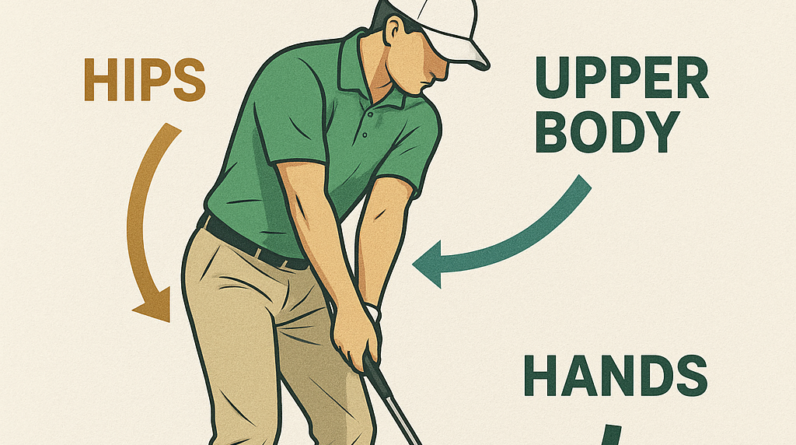
In golf, sequencing means doing the right things in the right order from the top of the backswing through impact. The most reliable sequence starts with the hips turning toward the target, then the torso, then the arms and hands, delivering the clubface to the ball squarely at impact. When the body works in that order, your strike tends to stay solid, your shots stay on line, and distance control improves.
What the concept is
Sequencing is the chain of events your body uses to release the club. Think of it as a controlled “whip”: the lower body leads, the torso follows, and the arms and hands square the clubface at the moment of contact. If any link in that chain fires too early or too late, the club shaft can get off plane, the face can close or open too soon, and contact suffers.
Why it matters to the golf swing
- Improved contact: clean, centered strikes are more likely when the club meets the ball with the face square and the path reasonable.
- Better distance control: a smooth, well-timed sequence helps you release energy efficiently rather than wasting it in the wrong direction.
- Consistency under pressure: repeatable sequencing reduces the impact of speed or emotion on your swing.
What the golfer should feel when doing it correctly
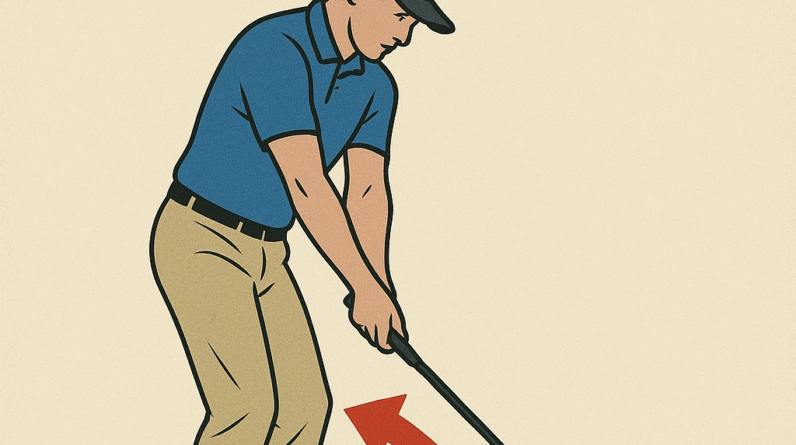
- Belts buckle and lead foot push slightly into the ground as the hips rotate first toward the target.
- Torso rotation follows the hips in a smooth sequence, maintaining spine angle.
- Arms and hands deliver the club to the ball after the body has set the club on a good path, resulting in a square clubface at impact.
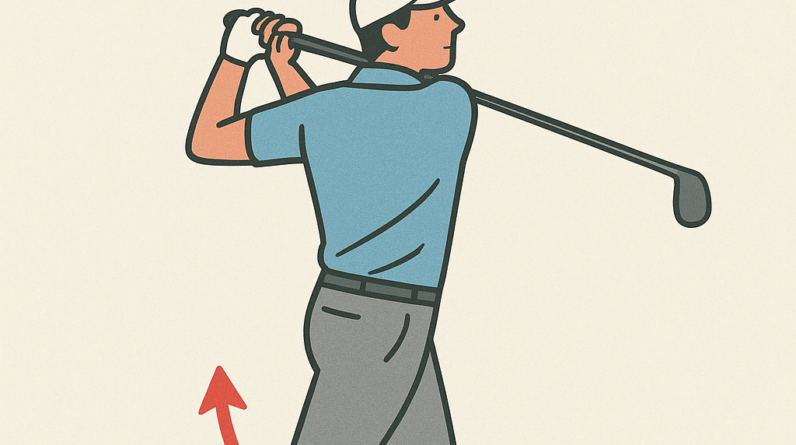
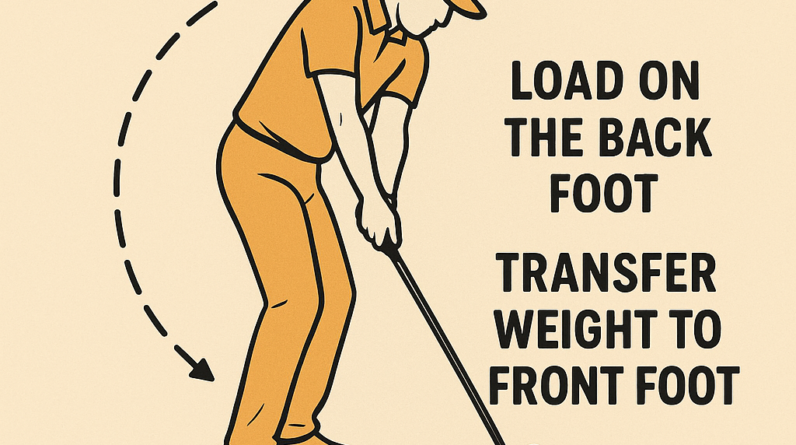
- Weight shifts to the lead foot through impact, with the trail heel rising as you finish.
2–3 common mistakes and simple fixes
- Mistake 1: Downswing starts with the arms or hands, not the hips. Fix: Cue yourself to “hips first.” Practice half-swings focusing on the hips initiating the move, then let the torso, then the arms follow in sequence. A simple check: if your belt buckle points toward the target before your chest turns, you’re on the right track.
- Mistake 2: Arm extension or casting too early, breaking the connection between upper body and arms. Fix: Keep the trail elbow tucked in and maintain a somewhat rounded, connected arm swing so the hands don’t outrun the body. A towel-under-the-arms drill can help maintain connection without crowding the chest.
- Mistake 3: Loss of spine angle or early extension, causing the torso to stand up before impact. Fix: Maintain a slight tilt away from the ball during the downswing and through impact. A quick check is to imagine your chest staying over the ball a split second longer and your weight staying loaded on the inside of the lead foot.
One easy practice drill you can do at home or at the range
- Hips-First Sequencing Drill (slow motion): Take a comfortable address position with a mid-iron. Start by rotating your hips toward the target, then allow your torso to follow, and finally let the arms and hands deliver the club. Do this in slow motion for 6–8 repetitions, focusing on the feeling of “hips → torso → arms” in that order.
- Key cues to use during the drill: (1) belt buckle to target first, (2) chest over the ball as you rotate, (3) keep the lead knee stable and the trail knee flexed so you don’t slide.
- Progression: after you feel the sequence in slow motion, add a light pause at the top of the backswing and at impact, then perform smooth, full-speed swings while maintaining the same order.
Start with small, repeatable steps and build from there. If you’d like, tell me your current swing habits (what you feel in your lower body, your balance, and where you sense the club is at impact), and I’ll tailor cues to your specific needs.
Sequencing for Consistent Ball Striking: The Downswing Order Your Body Works In
understanding the Downswing Sequence
The golf downswing is a finely choreographed movement where timing and order determine how cleanly you strike the ball. proper sequencing ensures that energy stored during the backswing is released efficiently through the kinetic chain—from the ground up to the club face. When the body segments fire in the correct order, you maximize clubhead speed at impact while preserving control and accuracy. Conversely, mistimed sequencing can create excess compression or fat shots, hooks, or slices.
The Kinetic Chain in the Downswing
Think of the downswing as a cascading sequence of accelerations that travels from the ground through the legs, hips, torso, shoulders, arms, and finally the club. The goal is to build angular velocity in a controlled, segment-by-segment manner so that the sequence is smooth and powerful. A well-timed chain reduces undue stress on any single joint and fosters a reliable impact position.
Key Idea: The Ground-Up Initiation
In a sound downswing, the earliest evidence of sequencing is a slight loading of the legs and a lower-body push toward the target. This initiates hip turn and then torso rotation, which sets up the arms and hands to release the club at the right moment. The “from the ground up” principle helps players lag the release just enough to generate lag angle, preserve width, and maintain the arc of the swing.
The Anatomy of a Consistent Strike
Consistent ball striking depends on coordinating several biomechanical zones. Each zone has a critical role, and the transitions between zones must be timed precisely. Here are the primary zones and what they contribute during the downswing:
- Lower body (feet,ankles,knees,hips): Leads the sequence with ground reaction forces,initiates hip rotation,and starts the torque transfer up the chain.
- core and torso (abdominals, obliques, chest): Transfers energy from the hips to the upper body, maintaining posture and spine angle.
- Shoulders and arms: Aligns the arms with the torso rotation, maintaining lag and width to control the club’s swing path.
- Hands and clubface: Delivers the clubhead to impact with control and speed, producing solid contact and accurate direction.
Common Mechanisms to Optimize
- Maintain a slight knee flex and athletic posture to allow smooth hip rotation.
- Keep the trail side grounded longer to preserve lag before release.
- Use torso rotation to direct energy toward the clubhead rather than relying solely on arm speed.
- Ensure a shallow, consistent angle of attack to promote clean impact and ball compression.
Downswing Phases: A Practical Breakdown
phase 1: grounding and Initial Initiation
As you begin the downswing,your weight should gradually shift toward the front foot. This weight transfer enables the hips to clear and start its rotational sequence. The trail knee begins to straighten, and the hips begin to rotate toward the target. The goal here is to create a stable base that allows the upper body to follow without collapsing or swaying.
Phase 2: Hip and Torso sequencing
Hip rotation accelerates, followed by the torso turning toward the ball. This phase is critical for maintaining spine angle while transferring energy up the chain. A well-timed hip-then-torso sequence helps keep the hands passive relative to the torso, allowing the arms to deliver the club with proper leverage and timing.
Phase 3: Arm to Club Release
Once the torso rotation has gathered momentum, the arms begin to “connect” with the torso’s rotation.The wrists maintain lag for a moment, then release, delivering clubhead speed at impact. The release should feel like the hands are guiding the club rather than forcing it. This phase is where most golfers can improve impact consistency by guarding against early release or a too-early unwind.
Benefits of Proper Downswing Sequencing
- Increased clubhead speed with more control and less effort.
- More consistent contact and dispersion patterns across the face.
- Better strike quality on a variety of clubs,including wedges and drivers.
- Reduced stress on the joints due to efficient energy transfer and stable postural alignment.
- Improved ball flight predictability and distance control.
Common Faults and How to Fix Them
Fault: Early Release (Casting) of the Hands
symptom: The club whips through the impact zone with little shoulder and hip sequencing, frequently enough resulting in a thin shot or a pull-hook.
Fixes:
- Practice with a towel under one arm during the swing to encourage connection and prevent early arm release.
- Emphasize hip rotation and torso engagement before allowing hands to led.
- Use slow-motion drills to feel the lag angle maintained deeper into the downswing.
Fault: Early Extension
Symptom: The spine angle breaks as the hips thrust toward the ball, leading to fat shots and loss of power.
Fixes:
- Work on maintaining a stable spine angle by rotating the hips rather than pushing the pelvis forward.
- Engage core stability drills and side-bending awareness to resist early extension.
- Set up a small block or alignment aid to reinforce a stable posture through impact.
Fault: Swaying or Over-Swinging
Symptom: Lateral weight shift or excessive body movement, which disrupts sequencing and reduces control.
Fixes:
- Keep the feet grounded with a light heel pressure throughout the swing.
- Practice with a mirror or video to monitor body sway and refine the maintenance of a vertical spine line.
- Use trunk rotation drills to replace forward motion with rotational movement.
practical Drills for Sequencing Mastery
- hip-Frist Drill: Place a golf club across the hips and practice driving the hips toward the target while keeping the upper body quiet, then gradually allow the upper body to follow. This trains the ground-up initiation.
- Lag and Load Drill: Focus on creating lag by delaying wrist release until after the left arm aligns with the sternum. use a slow-motion tempo to feel the timing.
- Wall Drill for Posture: Stand a few inches from a wall with your back to it. Practice the downswing while keeping the buttocks, mid-back, and shoulder blades lightly in contact with the wall to reinforce spine angle preservation.
- Two-Plane Drill: Practice with tees at different heights to train an on-plane swing, improving the relationship between shoulder turn, hip turn, and arm path.
- Impact Tape Drills: use impact tape to visualize where the club contacts the face, guiding adjustments for better face-to-ball contact and sequencing alignment.
Table: Downswing Sequencing – A rapid Reference
| Phase | Primary Driver | Key Feedback | Drill Focus |
|---|---|---|---|
| Phase 1: Ground Initiation | Lower body weight shift and hip start | Stable base, feel of weight moving to front foot | Hip-First Drill |
| Phase 2: Torso Rotation | core torque transferring energy up the chain | Efficient torso turn, no loss of spine angle | Lag and Load Drill |
| Phase 3: Arm Delivery | Arms and wrists release at the right moment | Solid impact position, consistent contact | Impact Tape Drill |
| Phase 4: Clubhead Release | Clubhead speed at impact | Direction control and flight consistency |
Case Studies: Real-World Insights
Case Study A: Rebuilding a Consistent Strike
A 38-year-old amateur struggled with fat shots and inconsistent contact across clubs. After focusing on a ground-up sequencing approach—hip initiation, smooth torso rotation, and delayed arm release—the student reported a 15-yard average betterment in carry distance and a 25% reduction in dispersion on drives after six weeks. the process emphasized video analysis to confirm the proper order of segmental movement and targeted drills to reinforce timing.
Case Study B: Overcoming Early Release
A touring-player-turned-amateur found that early release caused frequent mis-hits on short iron shots. By emphasizing a deliberate lag drill and enhancing core engagement, the player regained control. The changes led to more consistent iron play, improved contact with a tighter face-to-face contact pattern, and fewer distance gaps between clubs.
First-Hand Experience: A Coach’s Perspective
As a coach, I’ve seen players respond best when we treat sequencing as a dynamic yet repeatable cue system.Instead of describing “the perfect swing,” I guide learners to feel the sequence: establish a solid base, permit hip rotation to lead, let the torso follow, then allow the arms and hands to deliver the club. The shift from thinking “arms first” to “body-first” changes the approach to practice—favoring drills that reinforce the ground-to-club chain and maintaining posture under load.
Equipment Considerations and Aids
Tools can help reinforce proper sequencing,but they should complement proper technique rather than replace it. Consider these aids:
- Impact tape or magnetic markers: Visual feedback on face contact and club acceleration at impact.
- Training aids that promote lag: Devices or clubs designed to feel the delay between hips/telescopic arm movement and release.
- Video analysis: Slow-motion clips help players observe the sequence in real time and make precise adjustments.
- Balanced weights or resistance bands: Build lower-body strength and rotational control to support the downswing sequence.
FAQs: Quick Answers on Downswing Sequencing
Q: Why is sequencing more important than pure speed?
A: Speed without proper sequencing often leads to inconsistent contact and direction. Correct sequencing maximizes speed at impact while preserving accuracy and control.
Q: How long does it take to improve downswing sequencing?
A: It varies by player, but with focused practice 4–8 weeks of consistent drills typically yields noticeable improvements in contact quality and ball flight consistency.
Q: Can changes to sequencing affect the entire swing path?
A: Yes.Proper sequencing tends to promote a more on-plane swing and reduces compensations elsewhere in the swing.This can improve both distance and accuracy.
Key Takeaways for consistent ball Striking
- Think “ground up”: initiate the downswing with the lower body to create a stable, powerful chain reaction.
- Preserve spine angle and posture through the transition to maximize release control.
- Delay arm release until the torso has produced adequate rotational momentum and the hips have cleared.
- Use drills that reinforce sequencing, such as hip-first drills and lag-focused practices, to lock in the pattern.
- Combine practice with video feedback and simple impact indicators to measure progress.
Final Notes on Practice Routines
To make sequencing improvements sustainable, structure your practice around small, repeatable blocks rather than endless repetitions. A sample weekly plan might include:
- Two short session blocks focusing on Phase 1 (Ground Initiation) with hip rotation cues.
- Two blocks on Phase 2 (Torso Rotation) using a towel or alignment stick to monitor shoulder alignment and spine angle.
- Two blocks on Phase 3 (Arm Delivery) with lag drills and impact feedback tools.
- A concluding session with on-course reps,integrating the learned sequencing into real shots.
Incorporate feedback from training aids and adjust drills to your current level. Consistency is the key—the more you practice sequencing as a natural part of your swing, the more automatic the correct order becomes at speed on the course.
Related Topics to Explore
- Golf biomechanics and a powerful downswing
- Kinematic sequence in golf: from feet to club
- Impact position optimization for different clubs
- Personalized coaching strategies for swing sequencing
conclusion (Not a Section)
Sequencing in the downswing is a practical pathway to consistent ball striking. By focusing on the coordinated order of the hips, torso, arms, and hands—and by using targeted drills and feedback tools—you can improve impact quality, increase distance control, and reduce common mis-hits. Remember, the goal is a repeatable, efficient sequence that translates to reliable performance on the course.