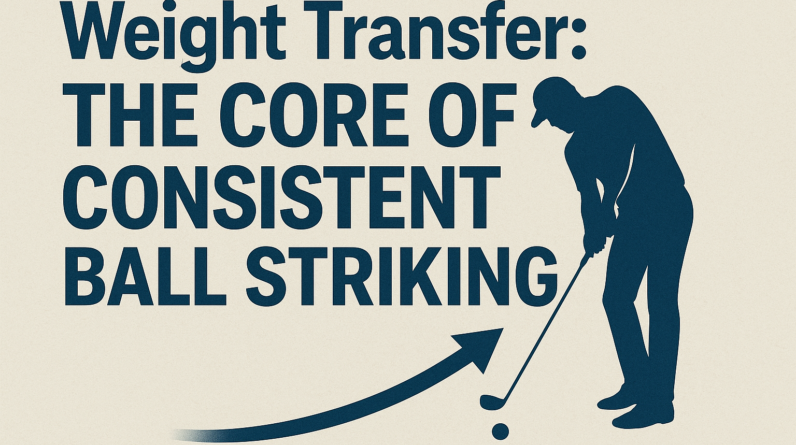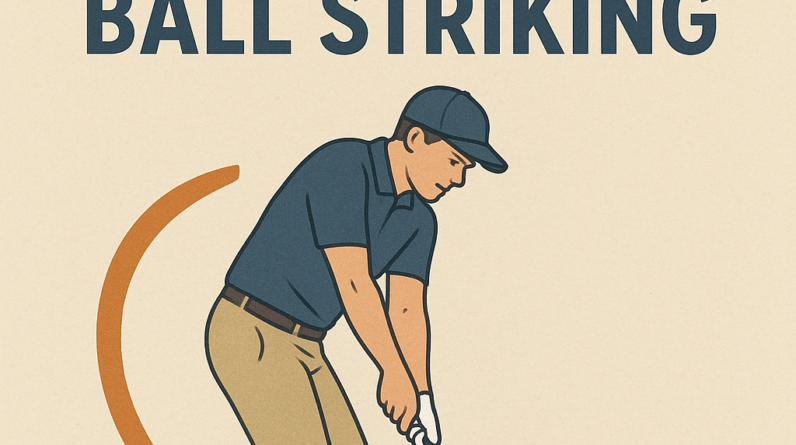

Weight Transfer: The Foundation of Consistent Ball Striking
Today we’re zooming in on one core idea that quietly drives faster, more solid contact: weight transfer. In simple terms, it means moving your weight from the trail foot (the back foot for right-handed players) toward the lead foot as you swing through the ball. When done well, this shift helps you compress the ball, maintain balance, and avoid common miss-hits.
What the concept is
Weight transfer is not a big flashy move. It’s the deliberate sequencing of how your legs, hips, and torso load and unload weight as you swing. In a typical right-handed golf swing, you start with more weight on the back foot at the top of the backswing and then progressively move weight toward the front foot through impact and into the follow‑through. The goal is a smooth, athletic transfer—not a jolt or a slide.
- At the top, most of your weight should still feel balanced between both legs.
- Through the downswing, the hips rotate and the lead leg accepts more weight.
- By impact, the majority of your weight is on the lead foot, with enough stability to keep the spine slightly forward of the ball.
Why it matters to the golf swing
- Solid contact: A forward weight shift helps you strike the ball with the center of the clubface, reducing thins and fat shots.
- Consistency: Balanced weight transfer creates solid tempo and repeatable timing across clubs.
- Distance and trajectory control: Proper loading and unloading let you maintain shaft angle and let the club release naturally for crisp ball flight.
What the golfer should feel when doing it correctly
- Feeling the hips rotate first, initiating the downswing, with the torso and arms following.
- Pressure building toward the lead foot as you approach impact—think “step toward the target” with your weight smoothly moving forward.
- A relaxed lower body with no wobble; you stay balanced and connected to the ground rather than sliding off it.
- Minimal tension in the legs and core; breathing stays even as speed builds.
2–3 common mistakes and fixes
Mistake 1: Staying back on the trail foot through impact
- Why it hurts (and what you’ll notice): Heavy trail-side weight can cause fat shots or pushes and loss of compression.
- Fix: Feel a gradual push toward the lead foot as you rotate. Practice slow, three-quarter swings focusing on finishing with weight on the front foot.
Mistake 2: Excessive lateral sway instead of rotation
- Why it hurts: Swaying sideways moves your center of gravity off the target line, making contact inconsistent.
- Fix: Drive the hips toward the target first, keeping the upper body quiet. Use a chair or alignment stick behind you to remind yourself not to rope around the spine.
Mistake 3: Weight transfer happens too late or too abruptly
- Why it hurts: Late or abrupt transfer disrupts timing, making it hard to keep the club on line and lag.
- Fix: Tempo is key. Start the downswing with a controlled hip move, and let the arms follow in a natural, smooth sequence. Practice slower speeds to engrain the pattern.
One easy practice drill you can do at home or on the range
Step-Through Weight-Shift Drill
- Set up in your normal address position with a club or a bunk-bed rail behind you for a reference line—this helps you feel balance.
- Take a half to three-quarter backswing, with your focus on initiating the downswing with your hips and turning toward the target.
- As you strike the ball (or make contact with a small mat or impact bag), step forward with your lead foot toward the target. Allow your weight to finish on the lead foot, while your hips rotate through impact.
- Slow it down at first to feel the sequence: hips → torso/arms → hands, finishing with most weight on the lead side.
- Do 6–10 reps, then check your balance: can you feel the weight on the lead foot without wobbling?
Keep this routine short, keep the tempo smooth, and gradually add speed as you feel your balance improving. If you notice tension in the legs or back, back off the speed and refocus on the sequencing.
By emphasizing weight transfer as the backbone of your swing, you’ll notice more consistent contact, better ball flight, and greater confidence on every shot.
Weight Transfer: The Foundation of Consistent Ball Striking
Why Weight Transfer Sets the Foundation for Consistent Ball Striking
Weight transfer is the deliberate movement of your body’s mass from the back foot toward the front foot
during the swing or stroke. When executed correctly, it creates a stable kinetic chain from the ground up
to the clubhead or implement, enabling clean contact, improved power, and more predictable ball flight.
Whether you’re chasing precision in golf, consistency in tennis, or explosive timing in baseball, weight transfer
anchors your ball-striking mechanics. Without a well-timed transfer, the swing tends to stall, twist, or miss
the sweet spot, leading to inconsistent outcomes.
In practical terms, you’ll hear coaches describe weight transfer as “loading and unloading the hips,” “ground-to-ball sequencing,”
or “shifting pressure from the trail foot to the lead foot.” the science behind this is simple: when your body efficiently
channels energy from the ground through the kinetic chain and into the ball, impact is more centralized, and deceleration
is minimized.
The mechanics of Weight Transfer across Sports
Although the exact movements differ by sport,the underlying principle remains the same: build energy at the ground and release it
through a purposeful forward shift of weight. Here’s how it looks in three popular ball-striking disciplines.
- Golf: The trail foot (right foot for right-handed players) loads early in the backswing. At impact, weight shifts toward the lead foot, enabling a shallow angle of attack and solid center contact.
- Tennis: The trailing leg loads during the backswing and powers the forward step into the shot. Proper transfer keeps the hips open and the chest square to the ball at contact.
- Baseball: The hips rotate,and weight moves toward the front leg as the batter makes contact. Efficient transfer shortens the swing arc and maximizes bat speed at impact.
across these sports, the key is an intentional sequence: drop energy into the back foot, load the hips and torso, rotate, and
then unload through the lead foot at impact. When this sequence is repeatable, you’ll notice more consistent ball striking and a
more forgiving swing path.
Biomechanics of a Consistent Transfer: Ground, Core, and Hips
A reliable weight transfer relies on three synchronized systems:
- Ground reaction forces: Your feet push against the ground to create forward momentum.The sooner you can transfer weight off the trailing foot, the faster you can load the front side and deliver power.
- Core and trunk engagement: The torso acts as a rotating engine.Controlled trunk rotation stores elastic energy in the obliques and lats, which is then released through the hips and arms.
- Hip sequencing: Hips drive the initial rotation. Proper sequencing ensures the pelvis clears space for the arms to swing through the impact zone without losing balance.
Mis-timed weight transfer often results in early extension,over-rotation without direction,or excessive sway. The fix is not to “move more”
but to move with intent: feel the load into the back foot, then allow the hips to lead the way through impact while maintaining posture.
Weight Transfer Stages: Load, Transition, Impact
Think of weight transfer as a three-part sequence that you can practice in isolation before integrating into full swings.
| Stage | Description | key Cues |
|---|---|---|
| Load (Back Foot) | Body stores energy by flexing the knees and hips, with weight slightly toward the back foot. | Feel the ground under the back foot; coil the hips; keep spine angle steady. |
| Transition (Loading to Stride) | Hips rotate toward the target; the torso uncurls in sequence; weight begins shifting toward the lead foot. | Lead hip leads; stay balanced; eyes on the ball; hands stay connected to the body’s core. |
| Impact (Lead Foot Power) | Most weight is on the lead foot; the front leg supports the body, and the arms release toward the ball. | Contact point is stable; hips and torso square to the target; finish with good balance. |
Practical Drills to Master Weight transfer
The following drills help you feel and control the transfer without worrying about ball flight. Practice them in sets of 8–16 repetitions,focusing on consistency before speed.
- Step Drill: Start with feet parallel and together. Step into your shot with the lead foot while keeping weight loaded on the trail foot. Finish with a balanced, athletic finish.
- Toe-Tap Drill: From a comfortable stance, tap the front toe as you rotate the hips, then shift weight forward to the lead foot on contact. This builds a forward release without leaning.
- Medicine Ball Press: Stand with feet shoulder-width apart, hold a light medicine ball at chest height. Rotate hips and torso to load, then press the ball forward as you transfer weight to the lead foot.
- Wall Drill with Push: Stand a few inches from a wall, perform a compact backswing, and push off the wall with your lead foot while maintaining trunk stability to feel the correct transfer path.
Benefits and Practical Tips for Consistent Weight Transfer
Incorporating deliberate weight transfer into your routine offers tangible benefits beyond power alone. Here are practical tips to maximize effectiveness.
- Start neutral, then bias: A balanced setup (approximately 50/50) allows you to feel the transition more clearly. As you gain comfort, a slight bias toward the trail foot can help with certain shot shapes.
- Maintain posture: Avoid collapsing the spine or leaning forward aggressively during transfer. A stable spine angle supports consistent contact.
- Keep the head steady: A minimal head movement helps you maintain timing and reduces the chance of mistimed weight shift.
- Breath and tempo: Breathe calmly and maintain a smooth tempo. A rushed transfer leads to inconsistent contact and timing errors.
- video feedback: Record and review your swing from the side to observe when weight leaves the back foot and when it loads onto the lead foot.
Case Studies: Real-World Examples of Effective Weight Transfer
These short case studies illustrate how players from different sports benefited from focusing on weight transfer to enhance ball striking consistency.
Case Study A — Golf: From Inconsistent Contact to Centered Impact
A recreational golfer struggled with late seconds of contact and a high split in ball flight. After a focused program on weight transfer, the player reported fewer mishits and a more repeatable punch-through at impact. By emphasizing a deliberate load into the trail foot during the backswing, then a clean transition and forward load into the lead foot, the golfer achieved more center face contact and a tighter dispersion pattern.
Case Study B — Tennis: Sharper Ground Stroke timing
A club-level tennis player noticed late racquet head speed and inconsistent depth. Drills focused on loading into the back leg, rotating hips, and transferring weight forward through contact led to improved stability and faster ball acceleration. The player reported better control on both forehand and backhand shots with less upper-body strain.
Case Study C — Baseball: Consistent Contact Point
A batter faced weekly slumps due to inconsistent weight transfer, especially on inside pitches. A structured approach to weight shift—load, transition, and transfer—helped the batter keep the front shoulder square longer, resulting in more uniform contact and improved power without sacrificing timing.
First-Hand Experience: A Coach’s Perspective on Weight Transfer
as a coach who has watched hundreds of swings, I’ve seen the simple truth: athletes who master the transfer are more forgiving on off-center contact. A typical player who learns to load into the back foot, feel the hip drive, and then unload through the lead foot experiences fewer wild misses and more consistent ball flight. The moment a player feels the weight shift as a deliberate action—back foot to lead foot—clicks, the rest of the swing tends to align. You don’t have to chase speed endlessly; you chase timing and stability, and the speed follows.
From my experience, a few cues keep players on track: “load into the back foot,” “hips lead the way,” and “stay centered through impact.” These cues help athletes internalize the transfer and apply it to different shots and distances. The payoff is a calm, repeatable swing that translates to smoother tempo and clearer feedback from miss-hits.
Key Takeaways for Consistent Ball Striking
- Weight transfer is the backbone of repeatable ball striking across sports. It links your feet, hips, core, and arms into a single, efficient motion.
- Three-stage sequencing—load (back foot), transition (shift and rotate), and impact (lead foot release)—drives consistency.
- Practice drills that isolate load, transition, and release help you internalize the feel of proper transfer before applying them to full swings.
- Balance, posture, and tempo are critical. Avoid overcompensation or rushed transitions, which disrupt timing and contact.
- Use video feedback, simple cues, and a structured practice plan to reinforce correct transfer patterns and reduce variability in your shots.
Meta: End of Article