
Weight Transfer: The single focus behind consistent ball contact
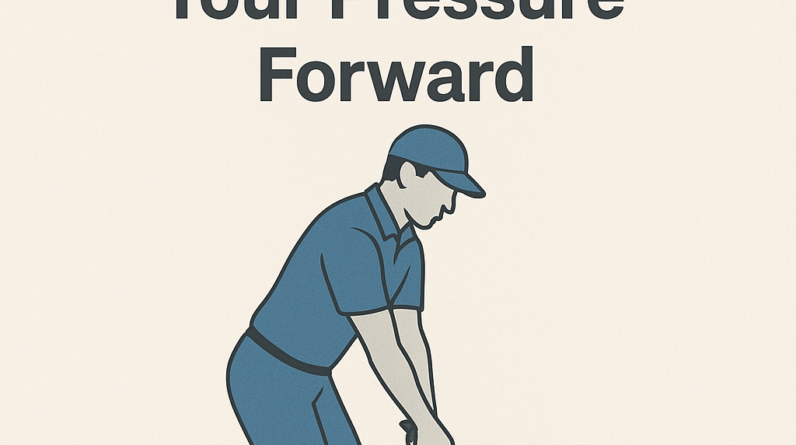
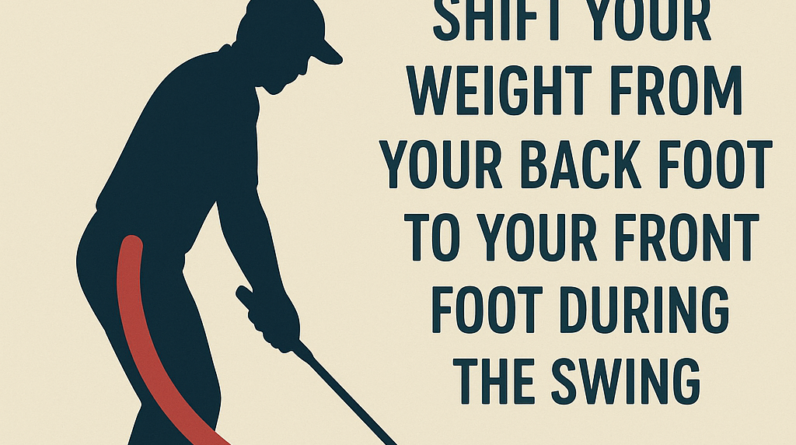
Weight transfer is about how you move your body’s pressure from the middle of your stance to the end of the swing. For most golfers, the path of that shift—from the trail foot in the backswing to the lead foot through impact—determines how solidly you strike the ball. When you do it well, you’ll feel more control, better contact, and straighter, more reliable shots.
What the concept is
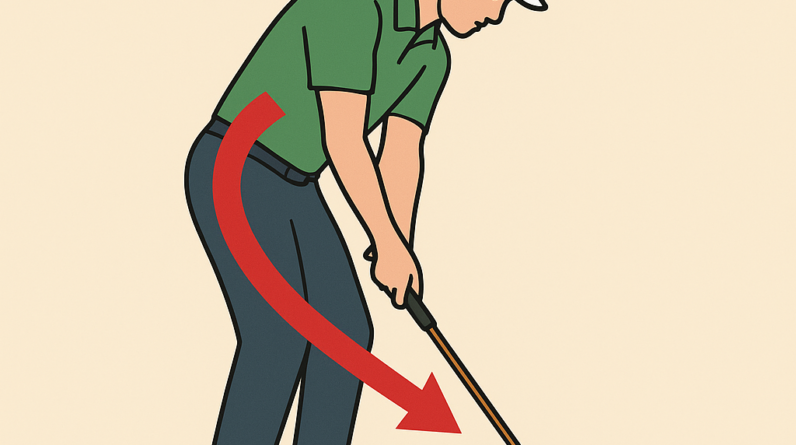
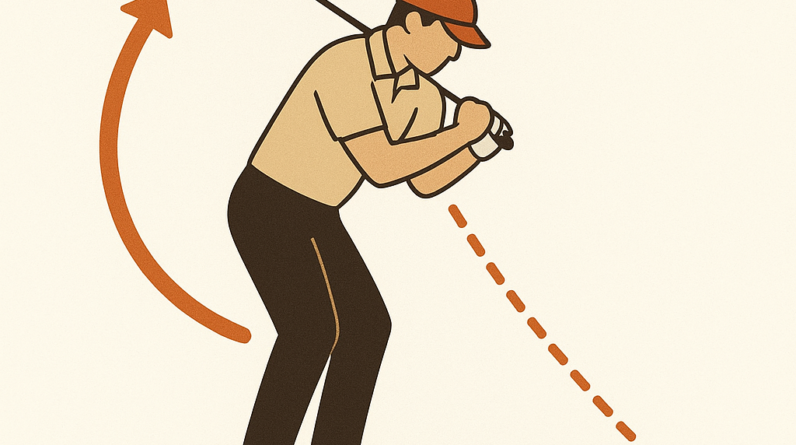
During the swing, your hips rotate and your body weight moves from the inside of your right foot (for a right-handed golfer) toward the right heel in the backswing, then toward the left foot and lead side in the downswing and through impact. The goal isn’t to “sway”—it’s to rotate and shift with the body’s spine angle, staying centered over a stable base while you transfer pressure toward the target.
Why it matters to the golf swing
Proper weight transfer helps you:
- Compress the ball consistently and avoid fat or thin shots.
- Maintain balance through impact, which improves contact and direction.
- Maximize clubhead speed with a stable base, not by dipping or swaying.
What you should feel when doing it correctly
- In the backswing, you feel weight settle toward your trail foot without collapsing your posture.
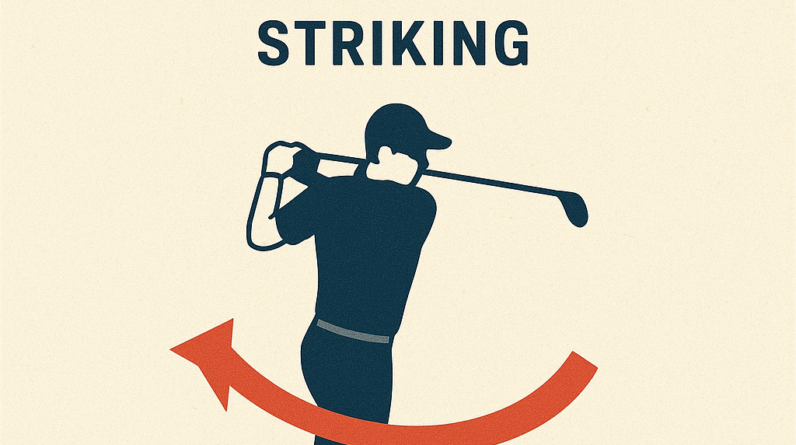
- During the downswing, you feel pressure move under the lead foot as your hips rotate toward the target.
- At impact, your weight is near the lead foot and your chest stays facing the target—your head stays fairly stable.
2–3 common mistakes and simple fixes
- Mistake 1: Not moving weight at all
Cause: The body stays mostly over the center, producing inconsistent contact.
Fixes:
- Feel a subtle shift onto the trail foot during the backswing while maintaining posture.
- Feel the pressure build under the trail foot as you start the downswing.
- Finish with the majority of weight on the lead foot for a solid finish.
- Mistake 2: Shifting weight too early in the backswing
Cause: Early weight move kills sequencing and balance.
Fixes:
- Pause briefly at the top to feel the hips rotate before moving weight.
- Keep your head relatively still and let the hips lead the transfer in a controlled arc.
- Practice with slower tempo to reinforce correct timing.
- Mistake 3: Over-shifting and losing balance
Cause: A big slide to the lead side creates wobble and off-target shots.
Fixes:
- Maintain a slight knee flex and a steady spine angle as you shift.
- Think “rotate and settle” rather than “slide and chase.”
- Use a small step with the lead foot on the follow-through to cue controlled transfer.
One simple drill to feel it
The Step-Through Weight Transfer Drill
- Stand in your normal address position with a comfortable, athletic posture. Place a light object (a towel roll or small stick) under the inside of your right foot to cue keeping weight on the trail foot in the backswing.
- Take a half backswing, then pause and feel the weight staying on the right foot. Slowly rotate the hips as you begin the downswing.
- At impact, shift your weight toward the lead foot and take a small step forward with the lead foot, finishing balanced and tall.
- Repeat 10–12 times, focusing on a smooth, controlled transfer rather than a big jump to the lead side.
Tip: Use a wall or a chair nearby for light balance support if needed. The goal is a quiet, coordinated transfer—not a lurch or a lunge.
Practice this with purpose: 15 minutes of focused weight-shift work per range session or at home, using a few dry swings followed by half-speed swings, then full-speed swings as feel improves. With disciplined practice, your weight transfer will become a reliable engine behind every solid contact and consistent direction.
Weight Transfer: The single focus behind consistent ball contact
Core Idea: Why weight transfer drives ball contact
Weight transfer is the intentional shifting of your bodyS mass from the back foot through the legs, hips, torso, and finally into the point of contact with the ball. It is the invisible engine behind clean,consistent contact. When you move weight correctly, your swing becomes more stable, and the club, racket, or bat meets the ball at the intended spot with the right speed and angle.
Think of your body as a kinetic chain. From the ground up, each segment passes energy to the next. If any link is late or stiff, the energy leaks, and the ball contact becomes inconsistent. The goal is not to whip the body into a flashy motion but to orchestrate a smooth, repeatable transfer of weight that aligns with the swing path. In practise, this means training yourself to feel where your weight is at each moment, especially as you approach the moment of contact.
Across sports—whether you’re returning a tennis forehand,driving a golf ball,or swinging a baseball bat—the principle remains the same: alignment,timing,and a coordinated transfer of force from the ground up. When athletes master weight transfer, they gain not just power but predictability in every shot.
The biomechanics of weight transfer and ball contact
Understanding how weight transfer works helps you translate it into practical drills.Here are the core biomechanical ideas you should know:
- Ground reaction forces drive movement: The ground pushes back against your feet. Efficient transfer starts with a solid, balanced setup and controlled weight shift off the ground.
- Hip-led sequencing: Power moves from the legs into the hips,then torso,then arms. A well-timed hip rotation creates a stable platform for the arms to meet the ball.
- Centre of gravity and balance: Maintain your center of gravity over your base. A stable base allows precise contact, especially under pressure.
- Angular momentum transfer: Each segment accelerates and then decelerates in sequence, ensuring the energy arrives at the ball at the optimal moment.
- Rotation vs. translation: Weight transfer is a combination of rotation (hips and torso) and translation (shifting weight from back foot to front foot). Both must coordinate with the swing arc.
- Elastic energy and timing: Muscles and joints store elastic energy during the loading phase and release it through the contact. This is why timing matters as much as force.
Practical takeaway: In drills, emphasize a smooth transfer rather than maximal force. A controlled, repeatable transfer is more valuable than a single powerful swing that breaks down under pressure.
Key principles for consistent ball contact
1) Sequence and timing
The timing of weight transfer is often the difference between a clean shot and a mishit. In many sports, the ideal sequence is a slight dip or flex in the back knee, load through the back leg, then a forward transfer as you rotate the hips and shoulders toward the contact point.Practically, you want the hips to open slightly before or as the arms accelerate toward the ball. When timing slips, you’ll often see the contact point become unpredictable or the trajectory miss the intended zone.
2) Balance and base
A wide, stable base prevents early collapsing of the torso, which can cause the club or bat to brush the ball instead of striking it cleanly.A grounded stance with even pressure between the ball of the foot and the heel helps sustain contact through the swing. If balance tips, the transfer slows or reverses, and contact quality drops.
3) Footwork and position
Footwork should support weight transfer,not fight it. Small, deliberate steps that align your hips with the target ensure you stay connected to the ground as you rotate. In fast-paced settings, pre-turn or slight gather steps can set up proper transfer without sacrificing speed. Footwork is the bridge between setup and contact; neglecting it unsettles the entire transfer sequence.
4) Posture and alignment
Posture that keeps the spine neutral allows the hips to rotate freely. Shoulders stay relaxed, and the lead arm (the one closer to the ball) works in harmony with the leg drive. Fine-tuning alignment reduces lateral deviations that disrupt contact.A common cue is to imagine a straight line from the back foot through the hip to the sternum, keeping that line stable as you rotate toward the ball.
Practical drills and cues to train weight transfer
Below are drills you can implement in practice sessions to build reliable weight transfer. Use these cues to internalize the sequence until it becomes automatic during competition.
- Two-heel to toe transfer drill — Stand with feet shoulder-width apart. shift weight from the back heel to the front toe as you slowly swing through a ball. Cue: “load, then explode.”
- Slow-motion to full-speed transfer — Start with a slow swing focusing on the exact moment weight moves forward.Increase speed gradually while maintaining same sequencing.Cue: “feel the floor push back.”
- Step-through transfer drill — Take a small step with the front foot just before contact to simulate in-game weight transfer.Cue: “step, rotate, meet.”
- Single-leg balance with rotation — On one leg, perform a controlled turn of the hips while keeping the chest steady. Switch sides. Cue: “load, rotate, stabilize.”
- Ground-to-ball drill — Use a ball on a tee; focus on the moment of contact and how the weight transfer directs the club face to the ball. Cue: “drive from the floor up.”
- Posture-preservation drill — Hold a light resistance band across the shoulders and perform gentle swings to emphasize a neutral spine and relaxed upper body.
Tip: Record yourself or have a partner watch your transfer. Visual feedback helps you refine timing and base stability more quickly than trial-and-error alone. Schedule regular video reviews—weekly or biweekly—to track progress and reset cues as needed.
Common errors and how to fix weight transfer
- Error: Front-side collapse — The front knee caves inward, and weight is not transferred properly. Fix: Focus on keeping the lead knee tracking over the foot and maintaining a slight knee bend on the front side as you rotate. Use a mirror or partner feedback to monitor knee tracking.
- Error: Late hip rotation — Hips lag behind the arms, causing late contact. Fix: Initiate hip rotation earlier in the swing; cue: “lead with the hips.” Drill: pause the swing at the backswing,then rehearse the hip-initiated forward motion to improve timing.
- Error: Over-rotation without forward transfer — You rotate but don’t shift weight forward, leading to off-center contact. Fix: Combine rotation with a forward press of the back foot, feel the weight shift through the stance. Use slower tempo to practice the sequence without rushing.
- Error: Too rigid upper body — Excess tension kills timing. Fix: Relax the grip, loosen shoulders, and breathe into the swing to maintain fluid transfer. include short bouts of shoulder-relaxation exercises before practice to reduce stiffness.
- Error: Eyes off the ball during transfer — Head tilt or drift reduces contact precision. Fix: Keep eyes level and track the ball through impact. A small cue is to imagine “picking the ball off the ground,” which reinforces control over head position.
Benefits of mastering weight transfer for consistent ball contact
- improved contact quality: Hitting the sweet spot more consistently across different shots and speeds.
- Better distance control: Energy transfer translates into controlled power with less fluctuation in flight path.
- Enhanced timing under pressure: handles fast balls and off-speed shots with less breakdown and lateness.
- Injury prevention: Balanced loading reduces stress on joints and improves mechanics, reducing fatigue-related errors.
- Transferable across sports: From tennis and golf to baseball and cricket,weight transfer remains a worldwide driver of accuracy.
- Greater confidence: A repeatable, predictable transfer builds trust in your swing, allowing you to commit to the shot.
Case studies: real-world applications of weight transfer
Case study 1: Tennis forehand consistency
A 28-year-old recreational tennis player had a powerful swing but inconsistent contact, especially on returns. By focusing on footwork and weight transfer, they learned to load the back foot, trigger a hip-rotation sequence, and drive weight forward as the racket hit the ball. Within six weeks, the player reported fewer mishits and more ball control on both forehand and backhand patterns. The change wasn’t about brute force but about timing the weight shift to align with the swing arc.
Case study 2: Golf drive stability
A mid-handicap golfer struggled with loss of distance on mis-timed drives. A coach introduced a deliberate weight transfer sequence: back knee flex, weight shift to the front leg during hip rotation, and forward press through impact. After eight weeks of practice,ball contact improved on average by 8-12 yards and with more consistent launch angles. The golfer learned to feel the moment the weight leaves the back foot and transfers through the hips into the ball,stabilizing the posture through impact.
Case study 3: Baseball swing consistency
A high school batter had a strong swing but inconsistent contact for inside pitches. Incorporating weight transfer drills helped align the hips with the pitch direction. The hitter began hitting the ball more consistently toward the middle of the plate and improved strike-zone coverage. Coaches noted improved plate discipline and smoother transition from load to swing.
Firsthand experience: coaching notes and insights
As a coach, I’ve seen dozens of players transform their outcomes once they internalize weight transfer.A simple cue often changes the game: “Feel the floor, then drive through the ball.” When players learn to connect their weight shift with the swing path, feedback from the ball becomes more predictable, making adjustments faster and more reliable under pressure.
In practice,I’ve found that athletes benefit from video feedback and in-situ cues—like holding a small towel under the armpit to encourage stable torso rotation—so the body learns to load and fire without over-rotating or “flying” open too early. I also emphasize breath control during the transfer phase to reduce tension. A calm, deliberate transfer yields cleaner contact and better control under fatigue.
Speedy-reference checklist for consistent weight transfer
- Adopt a stable base with a slight knee bend.
- Initiate weight transfer smoothly from back to front foot.
- Coordinate hip rotation with arm acceleration toward contact.
- Maintain a neutral spine and relaxed upper body.
- Track the ball with the eyes and keep the head steady during contact.
- Use drills regularly to ingrain the sequence.
- Incorporate breath and tempo to keep tension low during transfer.
weight transfer cues by sport: quick reference table
The following table highlights how weight transfer cues translate across different ball-and-racquet sports. Use it as a quick guide during practice planning.
| Sport | Primary weight-transfer cue | Common fault to avoid | Drill suggestion |
|---|---|---|---|
| Tennis (forehand) | Load back foot, hips rotate into the shot | Front-side collapse or late transfer | slow-motion load-to-contact drill |
| Golf (drive) | Back to front weight shift with hip rotation | Reverse weight shift early | Step-through transfer drill |
| Baseball (batting) | Weight moves from rear leg through hips | Stiff front leg; early extension | side-on tee drill with torso rotation |
| cricket (bat) | Back foot loading, then forward transfer | Over-rotation without forward pressure | Soft-hand, slow-motion edge drill |
Further reading and practical resources
- Books: The Biomechanics of Swing, The kinetic Chain in Sport
- Articles: Weight transfer fundamentals for consistent contact
- Video: Technique breakdowns with slow-motion analysis