
Weight Transfer: The Real Secret to Consistent Ball Striking
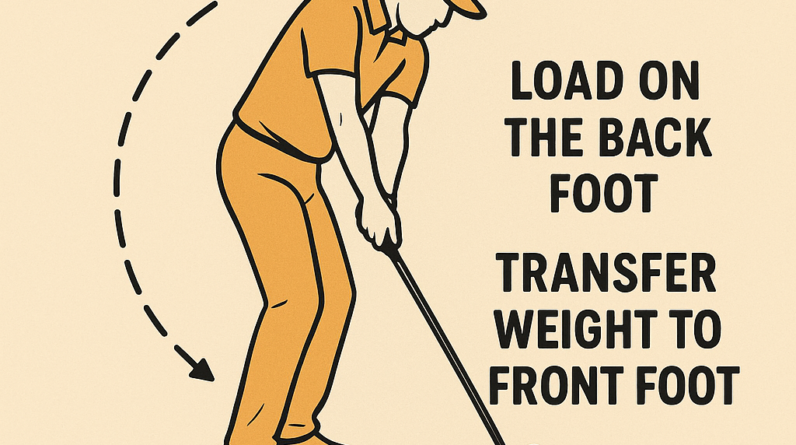
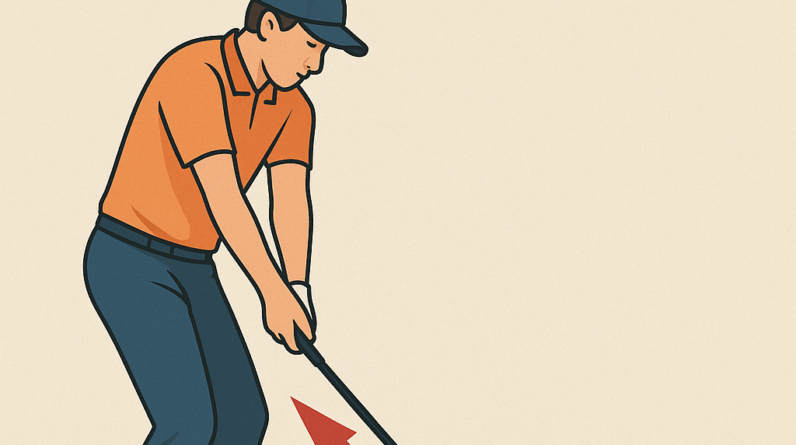
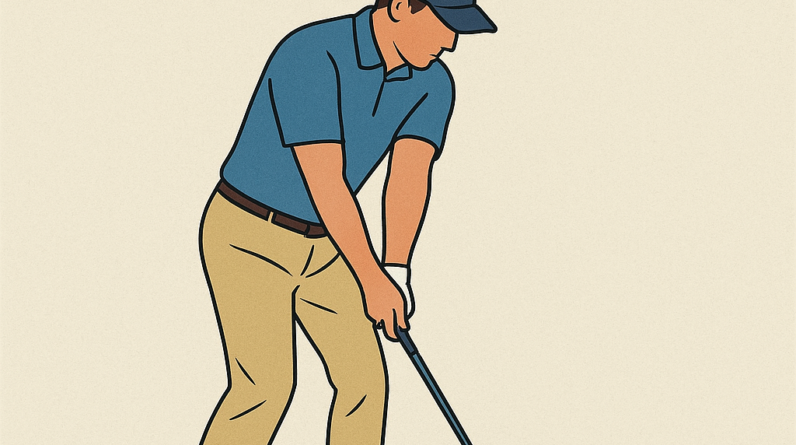
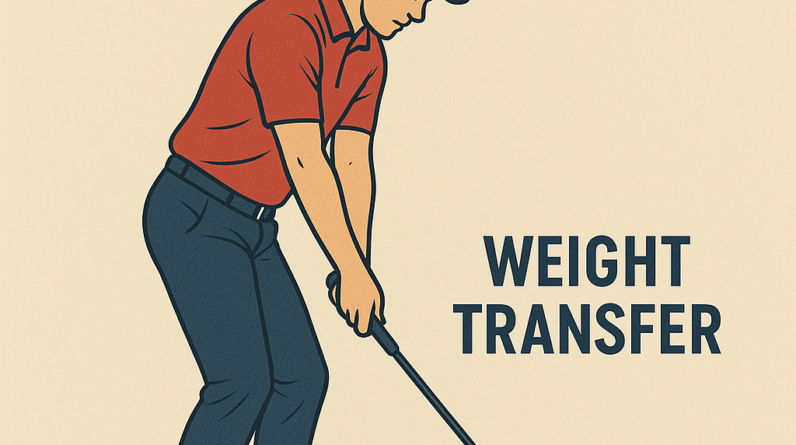
In a great golf swing, your body moves your weight smoothly from the back foot to the front foot as you turn and swing. This is called weight transfer. At address you’re balanced; at the top of the backswing you load into your trail foot; through impact you unload toward your lead foot and finish with most of your weight on that front side. Think of it as a controlled shift, not a slide or a stumble.
Why it matters
- Improved contact: moving weight helps you strike the ball on the center of the face more consistently.
- Better power and rhythm: a balanced transfer creates a smoother tempo and faster arms through the ball without yanking or over-swinging.
- Solid strike through all clubs: whether you’re hitting a wedge or a driver, proper transfer supports square clubface at impact and clean trajectories.
What you should feel
- At teardown (backswing): you feel a light load on your trail foot (the right foot for a right-handed golfer) as your hips rotate and your chest turns away from the ball.
- Transition to the downswing: your weight begins to move toward the lead foot as your hips open and your torso rotates back toward the target.
- At impact and through finish: most of your weight sits on the lead foot, your spine stays tilted slightly, and your chest stays over the ball until you finish with good balance.
2–3 common mistakes and fixes
- Mistake 1: Swaying laterally instead of turning. Weight slides away from the target line rather than rotating around your spine, which causes inconsistent contact.
- Fix: Focus on turning your hips and shoulders rather than moving your feet sideways. Practice with a club across your hips and imagine you’re trying to rotate around a fixed axis. Keep the head relatively steady and feel the ground under your feet supporting a natural turn.
- Mistake 2: Hanging back on the trail foot too long into impact. The weight stays on the back foot, so you “hit from behind” the ball or flip the wrists late.
- Fix: Early in the downswing, feel a deliberate reach of weight toward the lead foot. A simple cue is to imagine you’re stepping through the shot with your lead foot as you strike the ball, finishing with your weight on that front side.
- Mistake 3: Premature release or rushing the tempo. Weight shifts too fast to the front foot, robbing lag and causing inconsistent contact.
- Fix: Slow the transition. Keep a steady tempo, and let the hips clear naturally as you shift weight. A two-beat rhythm (back swing, then a deliberate downswing) helps you maintain control of the transfer.
One easy drill to practice
Step-Through Weight Shift Drill
- Use a mid-iron from a comfortable distance. Stand with a natural, athletic posture and place your feet shoulder-width apart.
- Make a half swing while keeping your weight focused on the trail foot during the backswing. Feel the hip turn rather than drop or slide.
- During the downswing, take a small, deliberate step forward with your lead foot as you rotate toward the target. The step helps you finish with your weight on the front foot and reinforces the transfer path.
- Finish with a balanced pose, weight clearly on the lead foot, chest over the ball, and a quiet head position. Repeat 8–12 times, then gradually add a full swing once you’re comfortable.
Putting it into practice
Work this concept into your routine at the range or at home with a club and a clear space. Start slow with half-swings to feel the transfer, then build to full swings. Remember: the goal is a smooth, rotational transfer from back foot to front foot, finished in balance with a solid, centered strike.
Weight Transfer: The Real secret to Consistent Ball Striking
Weight transfer: The Real Secret to Consistent Ball Striking
Weight transfer is the intentional, well-timed shift of your body weight from the back foot to the front foot during the moments of contact and follow-through. In ball-striking sports—golf, tennis, baseball, and even cricket—getting this transfer right is often the difference between a solid strike and a costly mishit. When athletes master weight transfer, thay convert energy stored in their legs and hips into clean, repeatable contact with the ball, producing consistent speed, trajectory, and control.
Why weight transfer matters for consistency
- Improved contact quality: When weight moves forward smoothly, the club or racquet meets the ball at the intended point of impact, reducing thin or fat shots.
- Better timing and rhythm: A controlled transfer creates a predictable sequence of body segments (feet, knees, hips, torso, arms), making shots repeatable.
- Increased power without sacrificing accuracy: Power comes from efficient energy transfer through the kinetic chain, not from brute upper-body effort alone.
- Enhanced balance and control under pressure: Proper transfer helps maintain center of gravity over the midline, improving stability after contact.
The biomechanical basics of weight transfer
At its core, effective weight transfer involves three coordinated elements: loading, transition, and release. Each stage has specific cues and biomechanical goals that keep your center of mass moving along a smooth path from start to finish.
The back leg loads,storing elastic energy in the legs and hips. The torso turns slightly away from the ball, creating potential energy in the hips and spine. The weight shifts toward the front foot as the hips rotate toward the target. The torso unwinds, and the arms accelerate toward impact. - Release and forward transfer (impact to finish): The weight fully transfers onto the lead leg, the front knee stabilizes, and the trunk and arms release energy through the ball. Momentum is directed forward and toward the target, with a balanced finish.
Key mechanics to focus on during weight transfer
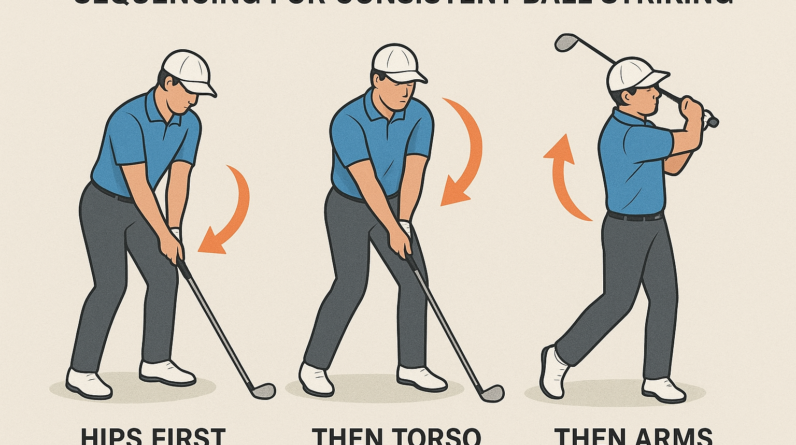
Your center of gravity should move forward past the midline of your stance as you approach impact. The ground provides a push that starts behind you and travels through your legs and hips. Use a slight knee bend to absorb and redirect this force efficiently. the hips initiate the turn, followed by the torso and then the arms. This sequencing creates a clean path for the club or racquet to strike the ball. Finish with a stable, balanced position that mirrors your setup, which aids in repeatability and confidence for the next shot.
Weight transfer across different ball-striking sports
Though the specifics vary by sport, the core idea—gradual, well-timed transfer of weight through the impact zone—remains the same. here’s how it typically looks in practice for common ball-striking activities:
Golf
- Shift weight from the trail foot toward the lead foot during the downswing and into impact.
- Maintain a slight knee flex and a stable low center of gravity to maximize control and consistency.
- Balance through the finish with hips squared and chest pointed toward the target.
Tennis
- Load on the back foot as you prepare to strike, then transfer weight through the front foot in the forward swing and follow-through.
- Use a smooth hip rotation to drive racket head speed while keeping the head stable and eyes on the ball.
Baseball/Softball
- Coil the hips slightly toward the back leg during the load phase, then drive weight forward as you rotate into the swing.
- Maintain balance through contact to prevent dragging the barrel or losing line drive potential.
Cricket
- Shift weight from the back foot to the front foot during the front foot stride, aligning the shoulders with the shot path for clean contact.
- coordinate footwork with hip rotation to maximize shot power without compromising control.
Practical drills to develop reliable weight transfer
Incorporate these drills into your practice plan to build a repeatable transfer pattern. Start slow,focus on rhythm,then gradually increase speed as the mechanics become automatic.
Drill 1: Wall-Start Weight Shift
- stand with your back foot a few inches from a vertical wall. Place a light alignment rod or short club across your hips to monitor rotation.
- Perform a backswing or backswing-like movement while keeping your lead shoulder under control. Focus on loading the back leg and then shifting weight forward to the lead foot as you approach the wall.
- At impact, your hips should appear to “pull” the rod toward the target while you maintain balance.
Drill 2: Step-Through Transfer
- Take a small step toward the target with your lead foot just before contact (or simulate it with a compact step in practice).
- Focus on a smooth weight transfer from back to front as you step, finishing with a controlled, balanced finish.
Drill 3: 3-Phase Rhythm Drill
- Phase 1: Load (2 counts) – back heel rises slightly, hips load.
- Phase 2: Transition (1 count) – weight shifts to lead foot, hips rotate toward target.
- Phase 3: Release (1–2 counts) – forward momentum through impact, balanced finish.
Drill 4: Ball-Position Feedback Drill
- Place a light ball or marker slightly outside the usual ball position. Work on hitting the marker with a forward transfer of weight, ensuring the ball contact feels firm and centered.
- Record your sessions and compare contact points across reps to ensure consistency in the transfer path.
Progression and training plan tips
- Start with slow, controlled movements. Prioritize sequence and balance over speed.
- Use video feedback to analyze hip rotation and weight distribution. A simple sagittal view (side profile) helps verify forward weight shift.
- Gradually add speed while maintaining the same transfer pattern.If you lose balance, slow down and reset.
- Integrate conditioning to support the kinetic chain: hip mobility, ankle stability, and core strength all contribute to cleaner transfers.
Common errors and corrective cues
| Common Error | Why it happens | Corrective Cue |
|---|---|---|
| Back knee collapses inward during impact | Insufficient hip stability and weak glutes | Keep knee aligned with the toes; think of “driving the butt back” on the backswing and then forward through impact |
| weight stays on the back foot past contact | Over-rotation or late hip extension | Finish with forward weight on lead foot and a balanced chest facing target |
| Arm swing outruns the lower body | Torso uncouples from the hips too early | Engage the hips first; let arms “follow” the torso’s rotation |
| Loss of balance after impact | Insufficient core and ankle stability | Strengthen the ankles and core; practice with a narrow stance and progress to a wider one |
First-hand experiences: coaches and athletes share what works
In coaching sessions, players who focused on a deliberate weight transfer frequently enough saw immediate improvements in consistency. One amateur golfer reported a 12-yard gain in carry after eight weeks of dedicated weight-transfer drills and rhythm work. A tennis player who added a simple forward transfer cue (drive weight toward the front foot through contact) reduced unreliable mishits and gained steadier ball placement. The common thread across these cases was a clear understanding of three-phase sequencing—load, transition, release—and a neutral, balanced finish.
Case studies: speedy numbers and insights
- Tennis: Players using a forward-weight cues hit consistently deeper balls with 8% higher rebound velocity, while maintaining accuracy in drills.
- Baseball: batters who practiced weight-forward transfer during practice swings increased average exit velocity by ~4–6 mph on contact at the track man station.
Tools to measure and refine weight transfer
- Video analysis: Slow-motion reviews of stance, hip rotation, and weight shift reveal pattern gaps.
- Launch monitors and impact-probe data: Track ball speed, spin, and attack angle to confirm transfer efficiency.
- Balance and proprioception work: Single-leg drills and wobble-board exercises improve knee stability and weight transfer control.
Quick reference checklist for training sessions
- Set up with proper stance width and ball position relevant to the sport
- Brace through the core and maintain a quiet head position
- Load through the back leg and hinge hips for initial rotation
- Shift weight smoothly to the lead leg while torso unwinds
- Finish with a balanced, target-facing posture
Key takeaways for lasting enhancement
- Weight transfer is a dynamic, three-phase process that fuels both power and accuracy.
- Sequencing matters: hips initiate the move, followed by torso and arms.
- Drills should balance precision and gradual speed—don’t rush the transfer.
- Use feedback tools (video, data, or simple cues) to ensure your transfer path remains consistent.