
Sequencing in the Golf Swing: The Order That Creates Consistent Contact
This post focuses on one essential topic that drives repeatable ball striking: sequencing. Sequencing is about the order and timing of how your hips, torso, arms, and hands work together from start of the downswing through impact. When you get this order right, the clubface stays more square to the target at impact, you strike the ball more solidly, and your misses tend to be shorter and more predictable.
What the concept is
- Sequencing means initiating the downswing with the lower body (hips and legs) before your upper body and hands. Think, hips -> torso -> arms -> hands, through the point of contact.
- It also means the torso unwinds in a way that helps the arms and hands release the club naturally into a square impact, rather than arms and hands getting there first or out of sync.
Why it matters to the golf swing
- Solid contact: When the lower body leads, your hands arrive with the club in a favorable position, making it easier to strike the ball on-center.
- Consistency: Proper sequencing reduces the tendency to “override” the hands or “cast” the club, which often causes thin shots, pushes, or pulls.
- Power with control: A clear order of movement helps you maximize speed without losing face-on control, especially on mid-irons and longer clubs.
What the golfer should feel when doing it correctly
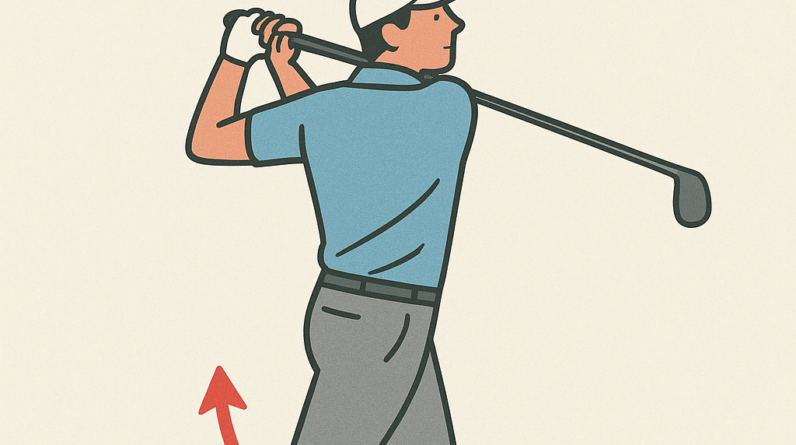
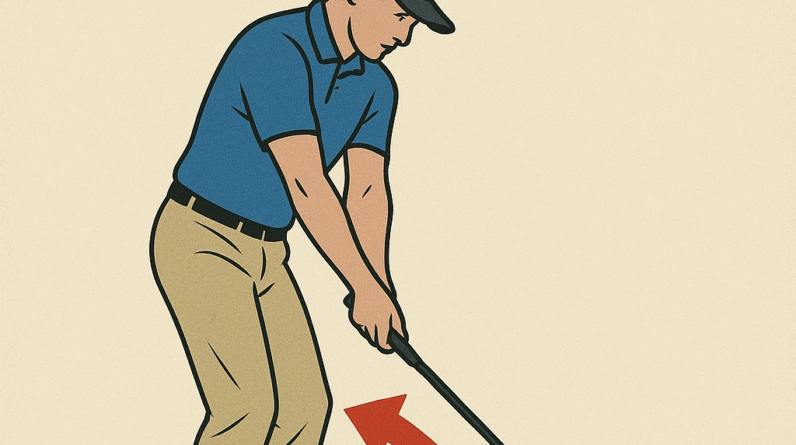
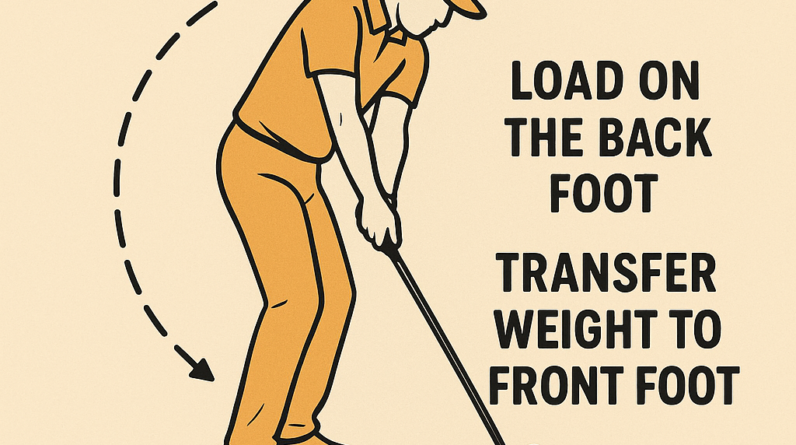
- Weight shift: You feel your weight loading into the trail foot at the top and then moving toward the lead foot as you start down.
- Hip-first move: You sense the hips initiating the downswing before your chest or arms begin to unwind.
- Delayed hands: Your hands and arms stay passive for a split second as the hips and torso begin the path to the ball, then release smoothly through impact.
- Inside-to-square path: The clubhead moves from inside the target line and meets the ball squarely, reducing over-the-top or out-to-in paths.
2–3 common mistakes golfers make with this concept
- Mistake 1: Hands fire first, hips lag. The arms take over too early, causing inconsistent contact and an out-of-sync release.
- Mistake 2: Shoulders outrun the hips (too much upper-body pull). The body spins too fast in the upper half, creating an outside-in path and loss of lag.
- Mistake 3: Late or forced release. The hands snap shut or over-control the club at impact, killing speed and accuracy because the lower body isn’t unwinding in the correct sequence.
Simple, actionable fixes for each mistake
- Fix for Mistake 1: Practice initiating the downswing with the hips. Use cues like “hips to target first” or “drive the belt buckle toward the target.” Do slow-motion reps to feel the order: hips → torso → arms. Pause briefly at the top before you start down.
- Fix for Mistake 2: Emphasize lower-body rotation first. Keep your spine angle intact and allow the chest to open after the hips. A mirror or video can help ensure your hips are leading while your shoulders stay behind for a moment.
- Fix for Mistake 3: Focus on a smooth, early release only after the body has unwound. Imagine you’re “unwinding” from the ground up rather than “throwing” the club. Maintain a bit of lag and let the clubface square naturally through impact.
One easy practice drill you can do at home or on the range
- Hip-First Step Drill (practice swing emphasis): Take your normal stance. On the downswing, take a small, deliberate step toward the target with your lead foot as soon as you start to rotate the hips. The goal is to feel the hips initiating the movement and a deliberate weight shift onto the lead foot before the chest and arms unwind. Do 15–20 slow, controlled reps, focusing on the feel of the order, not speed. Progress to hitting crisp, light shots on the range, still maintaining the same sequencing.
Remember: this post stays with sequencing, not the full swing. Mastering the order—hips first, then torso, then arms and hands—gives you a dependable foundation for consistent contact and better ball flight. If you keep the feel simple and repeatable, the rest of your swing will slot into place more naturally.
Sequencing in the Golf Swing: Master the Hips-to-Hands Order for consistent Contact
Why Sequencing Matters in the Golf Swing
In golf, the term sequencing describes the precise order in which your body segments contribute to the swing. Correct sequencing ensures that energy stored in the body is released efficiently at impact, producing solid contact with the ball. When sequencing is off, you may feel “out of sync” at the moment of contact, leading to inconsistent ball flight, mishits, and lost power. The hips-to-hands order is a reliable framework to build a repeatable, efficient swing that transfers energy smoothly from the ground up to the clubface.
Biomechanically, a well-timed sequence helps you maintain posture and spine angle through the strike, reduces tension in the upper body, and optimizes the timing between lower-body rotation and arm extension. For most players, the hips lead the sequence, followed by the torso, then the arms, and finally the hands delivering the clubface to the ball. This order creates a natural lag that, when released correctly, produces solid contact and more consistent distance control.
The hips-to-Hands Order: What It Means
The hips-to-hands approach focuses on the kinetic chain from the ground up. Think of it as a relay race where the baton is handed from one body segment to the next in a precise rhythm. When executed well, the hips initiate rotation and generate torque, the torso stores and transmits that energy, the arms add maintaining leverage, and the hands release the club through impact.
key concepts behind the hips-to-hands sequence
- Hip initiation: The swing starts with a controlled hip rotate toward the target during the backswing and transition, creating the initial coiling needed for power.
- Torso sequencing: The upper torso and ribcage rotate after the hips, helping maintain spine angle and create a consistent swing plane.
- Arm extension and lag: Arms and wrists (hinge) respond to the torque built by the hips and torso, preserving lag into the downswing.
- Hand release at impact: The hands release the clubhead in harmony with the torso and hips through the impact zone for clean contact.
- Tempo and timing: A steady tempo supports timing between hips, torso, arms, and hands, reducing over-swinging or early release.
Practical Drills and Steps to Build the Sequence
Below are progressive drills designed to ingrain the hips-to-hands order. Each drill isolates a part of the sequence and then blends them into a full swing. Practise with a mirror, a video device, or a coach to confirm the positions and timing.
Drill 1: Slow-Mog Hip-to-Torso Transfer
Objective: Feel the transition from hip rotation to torso rotation while maintaining elbow fold and spine angle.
- Stand with a mid-iron setup,feet shoulder-width apart,knees softly flexed.
- Take a half backswing, focusing on rotating the hips first, keeping the upper body quiet.
- Hold briefly at the top transition, then rotate the torso to square up before engaging the arms.
- Return to a comfortable finish. Emphasize a smooth, three-beat sequence: hips → torso → arms.
Drill 2: Arm-Delay Drill (Maintain Lag)
objective: Preserve lag by delaying the arm extension untill after the hips and torso are loaded and positioned for impact.
- Set up with a 7-iron.Take a small, three-quarter swing without releasing the hands early.
- As you move down, imagine your hands staying close to your ribcage until the hips and torso are stacked to impact.
- Finish with a balanced, quiet head position and a shallow divot line to confirm a solid impact path.
Drill 3: Clock-Face Rotation Drill
Objective: Create felt timing cues for hips, torso, arms, and hands using labeled rotation points.
- Address position. Use a club as a clock face in your setup: hips at 6 o’clock, torso at 9–10 o’clock during backswing, arms at 12 o’clock at top, hands at 3 o’clock through impact.
- During the downswing, rotate hips toward 4–5 o’clock, followed by torso to 2–3 o’clock, then arms/wrists to square the clubface.
- Repeat with emphasis on keeping the shoulders and hips square to the target through impact.
Drill 4: impact Position Check (Mirror or Video)
Objective: Confirm the correct sequencing by checking contact position and spine angle at impact.
- Use a wall-mounted mirror or a mobile video setup to compare your impact position to a model swing.
- Look for: stable spine angle, hips slightly ahead of the hands, and the clubface square to the target line at impact.
- Limit lower body movement after impact to ensure fast,clean release.
Common Faults and How to Fix Them
even seasoned players struggle with sequencing. Here are frequent issues and practical fixes to reinforce the hips-to-hands order.
- Early release (hands release before hips): Fix by practicing drills that emphasize delaying release, such as the lag Drill or wrist hinge control with a lighter grip pressure.
- Over-rotating the hips too early: Slow down the initial hip turn and focus on keeping the lower body quiet while the torso stores energy.
- Swaying instead of rotating: Plant the trail foot and focus on rotating around a stable axis; use a towel under the back foot to prevent stride-like sway.
- Loss of spine angle: Maintain a constant spine angle by keeping the eyes on the ball, and feeling the chest turn toward the target rather than lifting the head.
- Flipping the wrists at impact: Emphasize timing and grip pressure; feel the clubface square as the hips lead into impact rather than snapping the wrists.
Benefits of Proper Sequencing
- Greater consistency of contact across different clubs and swing speeds.
- Improved ball striking and more predictable trajectory with tighter dispersion.
- Enhanced power generation by smoothly transferring energy from ground up through the hips and torso.
- Reduced risk of over-the-top or under-plane swings by aligning the body’s rotation with the swing arc.
- Better feedback on practice days, as sequencing can be observed through video analysis and ball flight data.
Case Studies and First-Hand Experience
Real players show how honing the hips-to-hands order leads to tangible results on range days and on course. here are brief scenarios gathered from coaching sessions and player journals.
Case Study A: Mid-40s amateur with inconsistent strikes
A coach focused on hip initiation and a quiet lower body.Over eight weeks,the player reported a noticeable decrease in mishits and an average swing speed gain of 2–3 mph with more consistent divots. The keys where slowing the transition, maintaining spine angle, and using the clock-face cues to guide sequencing.
Case Study B: Weekend golfer with distance but erratic direction
By emphasizing the hips-to-hands order and delaying the hand release on longer clubs, this player achieved tighter shot dispersion, especially with the driver. Video analysis showed a more stable swing plane and fewer compensations at the top of the swing.
First-Hand Experience: A Tour player’s insight
One tour professional highlighted how a small adjustment in hip timing allowed a more efficient transfer of energy to the clubhead, improving both carry and control. The player described the sensation as “feeling the ground reaction forces driving up from the feet, through the legs, and into the hands at impact.”
on-Course Application: Translating Sequencing to Reality
Applying hips-to-hands sequencing during a round requires simple, repeatable checks that you can perform between shots without stalling play.
- Set up and rehearse a quick 2-second sequencing check: hips back, hips leading into impact, and hands delivering the clubface through the ball.
- Use a target-oriented practice routine that emphasizes steady tempo instead of raw power.Consistency beats maximum distance when contact is unreliable.
- Adjust tee height and ball position to encourage proper sequencing, especially with longer clubs where timing tends to drift.
Metrics, feedback, and Measurement Tools
To monitor progress, combine qualitative feel with objective feedback. Here are practical metrics and tools you can use:
- Video analysis: Record swings from down-the-line and face-on views to observe hip rotation, spine angle, and wrist hinge at impact.
- Trackman/OptiShot data (if available): Look for more consistent attack angle, launch angle, and clubhead speed with improved contact accuracy.
- Feel-based cues: Use “hips first, then torso, then arms” mental cues to reinforce sequencing during both practice and play.
- impact tape or clubface impact stickers: Visual feedback on where the face meets the ball helps verify alignment with the hips-to-hands sequence.
- Tempo and rhythm: Use a metronome or a tempo-based drill (e.g., 3:1 backswing to downstroke ratio) to maintain consistent sequencing pacing.
Practice Session Plan: Weekly Routine for Sequencing Mastery
Below is a compact, repeatable 60-minute practice plan focused on the hips-to-hands order. use it as a template and adjust based on your progress and goals.
| Time | Drill / Focus | What to Check | Notes |
|---|---|---|---|
| 0–10 min | Warm-up: light cardio + dynamic hip and thoracic mobility | Mobility, posture; comfortable motion | Reset before each drill |
| 10–20 min | Drill 1: Slow-Motion Hip-to-Torso Transfer | Hip initial rotation, quiet upper body | Three-quarter backswing, hold, rotate torso |
| 20–30 min | Drill 2: Arm-Delay Drill | Preserve lag, delay arm extension | Iron shots; focus on timing |
| 30–40 min | Drill 3: Clock-Face rotation | Sequencing cues in space | Mentally track hips → torso → arms |
| 40–50 min | Drill 4: Impact Position Check | Proper spine angle, face square at impact | Mirror or video; adjust as needed |
| 50–60 min | On-Course Simulation / Range to Green | Apply sequence to full swings and partial wedges | Finish with balanced, quiet finish |
Additional Tips for Consistency
- Start with shorter clubs to ingrain the timing before moving to longer clubs.
- Keep grip pressure light enough to allow natural release but firm enough to control the clubface.
- Maintain a slight knee flex and a stable base to support rotational sequencing.
- Use a training aid or alignment sticks to verify the swing path and sequencing plane.
- Progress gradually; quality of movement matters more than rushing into full-speed swings.
FAQs About Hips-to-Hands Sequencing
Common questions players have about this approach ofen centre on integration with different clubs and swing speeds.
- Can sequencing be adjusted for drivers vs. irons? Yes. The hips-to-hands order remains the same, but the amount of hip rotation and the timing of the release may differ slightly due to shaft length and swing speed. Use the same cues, but adapt tempo for each club.
- What if I’m a slicer or hooker? Faults in sequencing often contribute to misdirection. Re-tune hip initiation and the timing of the torso turn to correct path and face alignment at impact.
- Is sequencing the same for right- and left-handed players? The principle is worldwide; simply mirror the actions for your dominant side and adjust cues accordingly.
Bottom Line: Build Trust in the Hips-to-Hands Sequence
Sequencing in the golf swing is a foundational concept that translates to consistent contact and predictable results. By prioritizing hip initiation, clean transfer to the torso, controlled arm action, and a timely hand release, players can create a repeatable swing pattern that works across clubs and skill levels. The hips-to-hands order is not about rigid rules; it’s a practical framework that helps you feel the correct timing, maintain posture, and generate solid strike every time you address the ball.