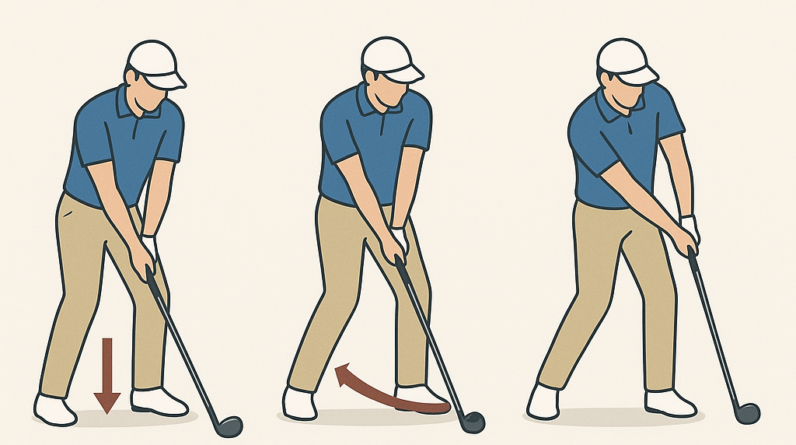

Weight Transfer: The Key to Consistent Ball Striking
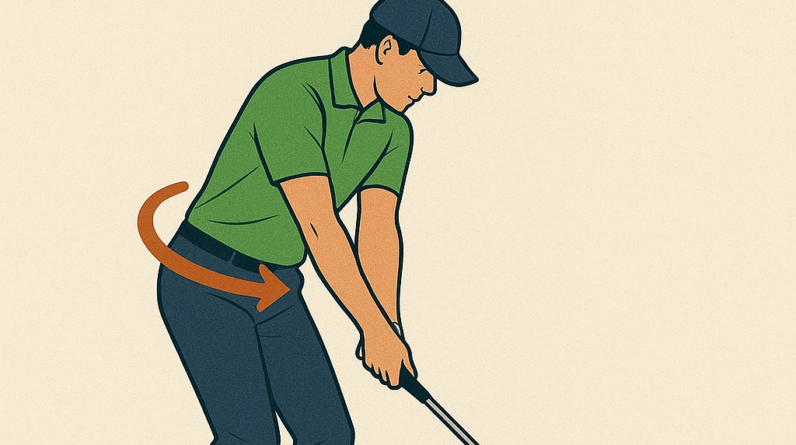
Weight transfer is the deliberate move of your body’s pressure from the trail foot to the lead foot during the downswing and through impact. For most amateur golfers, a smooth, controlled transfer is what turns an inconsistent strike into solid contact with distance and accuracy.
What the concept is
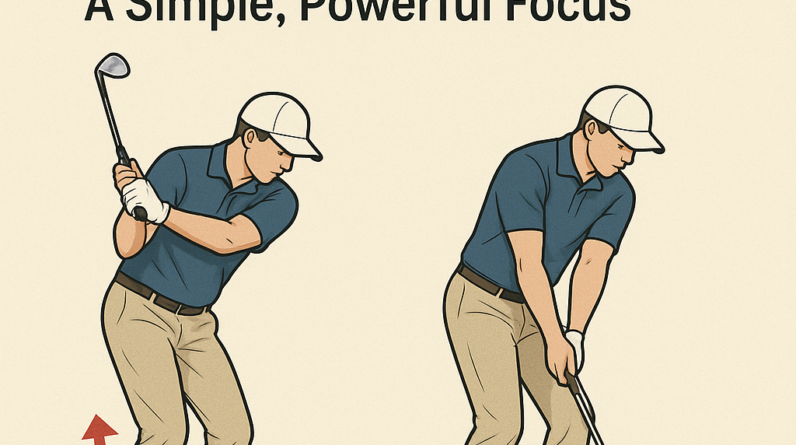
- The trail foot starts loaded in the backswing. At the start of the downswing, you gradually shift weight toward the lead foot and finish with the majority of your weight on that foot.
- Motion happens as a coordinated sequence: hips rotate, chest turns, and the weight shifts in concert with the arms and hands.
- Good weight transfer helps the club reach the ball with the proper angle of attack, ensuring clean contact and efficient power generation.
Why it matters to the golf swing
- Better contact: Proper transfer reduces fat or thin shots by delivering the clubhead to the ball with the right body side forward.
- Improved balance and consistency: You’re less likely to “run out of gas” or lose balance in the finish if weight is well managed.
- Increased speed and control: A well-timed shift helps the club release naturally, creating solid compression without overpowering the swing.
What the golfer should feel when doing it correctly
- During the downswing, you should feel your trail knee flex and your pressure move toward the lead foot as your hips turn toward the target.
- At impact, most of your weight should be on the lead foot (roughly 60–70% can be a good reference for many players).
- Finish with a balanced, athletic pose and the majority of weight on the lead foot, not collapsing onto the toes.
2–3 common mistakes and simple fixes
-
Mistake 1: Weight stays on the back foot too long or never shifts enough.
Fix: Start the downswing with a small, deliberate transfer of pressure toward the lead foot. Imagine you are stepping toward the target with your lead foot as you swing. Keep a slight knee flex in the trail leg to prevent hanging back. -
Mistake 2: Weight shifts too early or before contact.
Fix: Delay the shift until the moment of impact. Focus on rotating the hips and chest, then let the weight follow naturally. A quick drill is to practice half-swings with a gentle, controlled bump of weight into the lead foot just as you approach the ball. -
Mistake 3: Over-rotation or losing balance after impact.
Fix: Aim for a stable finish rather than a dramatic lean. Keep your center over the mid-foot during the finish and allow the trail leg to relax into the ground as you complete the turn. Think “rotate, then settle” rather than “rotate and spike forward.”
One easy practice drill you can do at home or on the range
- Step-Through Weight Transfer Drill:
- Stand with your feet together and grip relaxed. Take a small backswing while keeping your weight predominantly on your trail foot.
- As you begin the downswing, step your lead foot toward the target (a gentle, controlled step—not a big lunge) and finish with your weight mostly on the lead foot.
- Perform 8–12 half-swings, focusing on a smooth transition from trail to lead foot. Keep your spine stable and your hips turning toward the target.
- Progress to full swings as you feel more comfortable, maintaining balance and a solid finish.
If you want more help with weight transfer, I can tailor cues and drills to your height, swing tempo, and current balance. Consistent practice with a clear focus on the transfer will pay off in cleaner strikes and more distance.
Weight Transfer: The Key to Consistent Ball Striking
Note: This article focuses on weight transfer as it applies to golf swings, with practical drills and insights that translate to improved contact, distance control, and accuracy. The cues and tips are designed for players of all levels, from beginners to advanced.
Why Weight Transfer Matters in Ball Striking
Weight transfer is the dynamic process of moving your body’s mass from the back foot to the front foot during the golf swing.Done correctly, it creates a powerful, consistent strike by exciting the sequence of energy flow—from the ground up through the legs, hips, torso, and finally the arms and club. When weight transfer is efficient, you’ll notice crisper contact, straighter balls, and less inconsistency across different clubs and lie angles.
- Energy generation: Transferring weight efficiently stores elastic energy in the core; your body works like a spring, delivering more clubhead speed without forcing the arms to overpower the swing.
- Balance and posture: Proper transfer helps you maintain spine angle and balance through impact, reducing mishits caused by falling off the ball or swaying off line.
- Center of gravity control: A clear weight shift helps your center of gravity stay under control, allowing you to square the clubface at impact more consistently.
Core Principles of Weight Transfer
Understanding the core principles makes it easier to implement practical drills on the range or during practice sessions.
- Ground-to-Ground connection: Drive power from the ground up. Think “pressure to the lead foot” during the downswing and impact.
- Knee and hip sequencing: Maintain a slight knee flex and allow the lead hip to clear,guiding the upper body’s rotation without swaying.
- Steady trunk tilt: Keep a stable spine angle; avoid excessive side bend or range-of-motion loss that disrupts the swing plane.
- Lead foot pressure: At impact, a balanced but forward-weighted stance helps you compress the ball consistently and release through the shot.
Key Terminology You’ll hear
- Trail to lead weight transfer
- Ground reaction forces
- Weight shift timing
- Lower-body sequencing
Stages of Weight Transfer in a Golf Swing
Breaking the swing into stages helps you diagnose where your weight transfer may be getting stuck or rushed. Here’s a practical framework you can use on the range:
- Setup — Feet shoulder-width apart, weight evenly distributed.Lightly feel pressure across the mid-foot and heels to avoid locking the knees.
- Takeaway — Gentle motion with the club low and slow. your weight begins to shift toward the trail side as you maintain balance.
- top of backswing — Most of the weight sits on the trail leg. Your hips rotate, storing energy for the downswing.
- downswing — The big move: weight shifts toward the lead foot as hips rotate open,arms drop into the inside of the swing path,and the club approaches the ball with a stable spine angle.
- Impact — Lead foot bears solid contact; weight is roughly forward of the center of the stance, but the posture remains centered over the lead side.
- Follow-through — Complete transfer of weight onto the lead side, with a balanced finish that mirrors the setup posture.
Drills and Practical tips to Train Weight Transfer
consistency comes from repeated, mindful practice. These drills help you feel the correct weight shift and translate it into better contact, distance control, and accuracy.
Drill A: Slow-Motion Split-Step
- Take your normal address position and take the club back halfway. Hold for 3 seconds while maintaining balance.
- Feel the weight transfer from the heels to the mid-foot on the trail leg, then to the lead foot as you swing through.
- Repeat 10-15 times, focusing on a quite trail knee and a smooth transition to the lead side at impact.
Drill B: Ground-Reaction Cue
- Place a small training device (or a folded towel) under your lead foot during the downswing to encourage a deliberate weight shift toward the lead side.
- key cue: “Feel the ground react under your lead foot at impact.”
- Perform 20 repetitions with 70% effort to ingrain the sensation without overexertion.
Drill C: Step-Through Finish
- After impact, step through with your trail foot to encourage proper weight transfer and a balanced finish.
- Hold the finish for 2 seconds and assess alignment: shoulders, hips, and feet should point toward the target.
Drill D: Video Feedback
- Record a few swings from face-on and down-the-line perspectives.Look for early head movement, excessive sway, or late shift of weight.
- Sync with a freind or coach to identify the cue that helps you feel the right weight transfer most effectively.
Benefits of Proper Weight Transfer
- Improved ball striking consistency across clubs and yardages.
- Increased center contact, leading to more predictable ball flight and dispersion.
- Higher potential clubhead speed with less effort, thanks to stored energy and efficient sequencing.
- Enhanced balance and stability under pressure, such as on uneven lies or during windy days.
- Lower risk of common faults like sway, slide, or early release caused by improper weight shift.
common Mistakes and How to Fix Them
Being able to diagnose weight-transfer faults is half the battle. Here are frequent issues players encounter and practical fixes.
- Stalled trail knee: Fix by allowing a tiny bend to remain in the trailing knee during the takeaway, so you can start the downswing with a clear path to the lead foot.
- Sway instead of rotate: Use a slight inward tilt or draw a line in your stance to remind yourself to rotate your hips rather than sliding laterally.
- early weight shift to lead foot: Slow down the downswing, feel the trail leg finish its push, and then transfer weight progressively instead of rushing to the front foot.
- Over-rotation/de-rotation: Focus on keeping your spine angle steady while the hips rotate; think “rotate around a fixed spine.”
- Flat-footed finish: ensure the finish shows a balanced weight distribution on the lead foot with a natural, quiet finish line.
First-hand Experience: Real Players, Real Gains
“When I learned to feel the weight move from my back foot to my lead foot, I started making solid contact with every club.It wasn’t about swinging harder; it was about moving smarter.”
After two months of drills focusing on trail-to-lead weight transfer, ball striking improved from inconsistent contact to a tight, repeatable pattern. Ys improved length on mid and short irons by 8-12 yards on average with improved dispersion. Integrated weight-transfer cues into pre-shot routine. With practice, the swing became smoother and more repeatable under pressure, leading to fewer double-crosses and more consistent shot shapes during tournaments.
Case Studies: Weight Transfer in Action
Brief,anonymized snapshots of how targeted work on weight transfer translates to real performance gains.
| Case | Initial Challenge | Intervention | Outcome |
|---|---|---|---|
| Case 1 | Inconsistent irons; heavy feet; loss of speed at impact | Drill stack: slow-motion takeaways, trail-to-lead weight transfer cues, video feedback | Contact stabilized; carry distance gained by 5-8 yards; tighter dispersion |
| Case 2 | Driver pulled left due to early loss of balance | Ground-reaction cue and step-through finish | Better balance through impact; improved ball flight on drives |
| Case 3 | Short-game inconsistency; fear of shifting weight during swing | Short-game weight-transfer micro-drills; emphasis on spine angle | Short irons and wedges more predictable; confidence regained |
Quick Reference: Weight Transfer Cues Table
Use the cues below on practice days to reinforce the correct weight-shift patterns. The table uses wordpress-pleasant styling for easy integration into posts or pages.
| Swing stage | Primary Cue | common Mistake | Expected Outcome |
|---|---|---|---|
| Setup | Balanced weight across the mid-foot | All weight on heels or toes | Stable base and prepared posture |
| Takeaway | Trace trail-to-lead transfer early | Swaying or push away from the ball | Clear path for the downswing |
| Top of Backswing | Load on the trail leg | Over-rotation and loss of spine angle | Stored energy ready to unleash |
| Downswing | Shift weight toward lead foot | Premature lift of the head or early extension | Solid contact and tracking through ball |
| Impact | Lead foot pressure with balanced finish | Collision with the ball while out of balance | Consistent ball seat and line of flight |
| Follow-Through | Balanced finish with weight over lead foot | Falling back or losing posture | Repeatable pattern and improved confidence |
How to measure Progress and Stay Consistent
Tracking progress helps you stay motivated and ensures you’re moving toward consistent ball striking rather than chasing short-lived results. consider these practical metrics and methods:
- Video analysis every 1-2 weeks to confirm weight transfer cues are being felt and executed.
- Track dispersion patterns with a practice net or on-course data; smaller dispersion is a concrete signal of consistent strike quality.
- Use impact tape or face-markers to observe where the clubface meets the ball; consistent contact on the center of the face indicates solid weight transfer through impact.
- Ask a coach or partner to observe your balance at impact and during the finish; external feedback often reveals subtle faults that you don’t feel.
Incorporating Recovery and Mobility Into Weight Transfer
Weight transfer is a kinetic chain process. Mobility, flexibility, and recovery play a crucial role in enabling efficient transfer without compensatory movements.
- Warm-up: dynamic leg and hip mobility routines before practice or rounds.
- Stretching: target hip flexors, hamstrings, glutes, and thoracic spine to support rotational movement.
- Strength balance: exercises that reinforce ankle stability, knee control, and core endurance help maintain posture through the swing.
- Rest and recovery: avoid overtraining,wich can lead to stiffness and suboptimal transfer mechanics.
Frequently Asked Questions
- Can weight transfer fix all my ball-striking issues?
- Weight transfer is a powerful foundation for consistent striking, but it’s one part of a broader swing model. Combine it with grip,alignment,tempo,and clubface awareness for the best results.
- is weight transfer more critically important for irons or driver?
- Both benefit, but weight transfer is especially critical with the driver to maximize energy transfer and maintain solid contact at higher speeds. It also helps irons stay consistent across different distances.
- How long does it take to see results?
- Most players notice improvements in 4–8 weeks with regular practice and focused drills. Some respond faster, others may need more time to retrain neuromuscular patterns.
A Practical Path Forward
Commit to a focused weight-transfer routine 2–4 times per week. Combine drills, video feedback, and small on-course applications. With patience and consistency, your ball-striking clarity will improve—one measured transfer at a time.