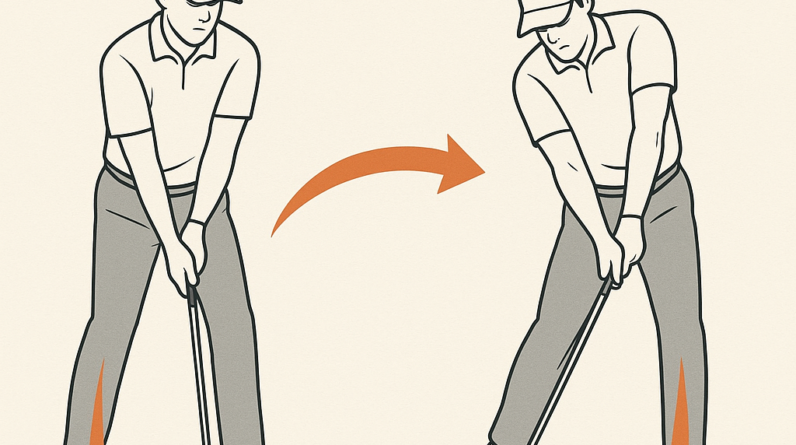

Weight Transfer: The Silent Engine Behind Consistent Ball Striking
When you hear a coach talk about weight transfer, they’re talking about moving your body’s weight from the back foot toward the front foot as you swing. It’s not a flashy move, but it’s the engine that makes contact solid, lines up the path, and helps you hit the ball first, then turf. For beginner to intermediate players, getting a reliable weight shift can transform your results without changing your swing length or tempo.
What the concept is
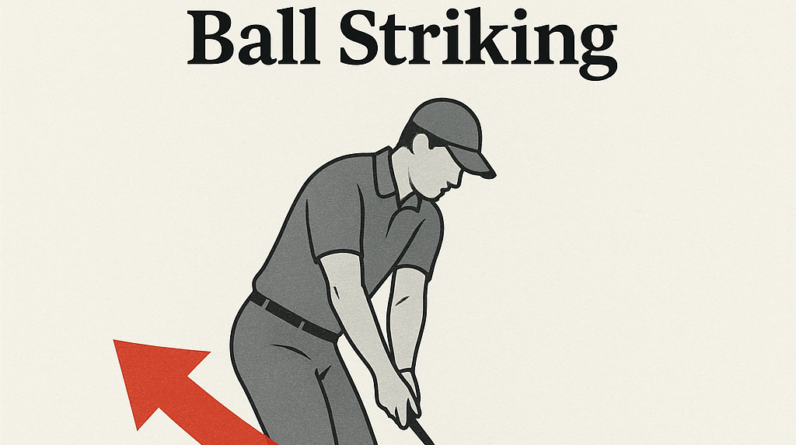
Weight transfer is the deliberate movement of your center of gravity from the trail (back) leg to the lead (front) leg during the backswing, through impact, and into the follow-through. In a great swing, the majority of your weight finishes on the lead leg with your hips rotated toward the target. Think of the swing as a controlled forward-to-forward motion, not a static pose held at impact.
Why it matters to the golf swing
- Improves solid contact: transferring weight into the ball helps compress it and reduces fat shots.
- Controls swing direction: a proper shift encourages an on-plane path and reduces slices or hooks.
- Maintains balance: staying centered during the shift keeps your spine angle and rhythm consistent throughout the swing.
What the golfer should feel when doing it correctly
Feel like your weight starts toward the back foot on the backswing, then moves smoothly through the ball to the front foot on the downswing and through the finish. You should notice:
- Your lead knee flexing slightly as you rotate toward impact.
- Hips turning toward the target and your chest squareing up to the target line at impact.
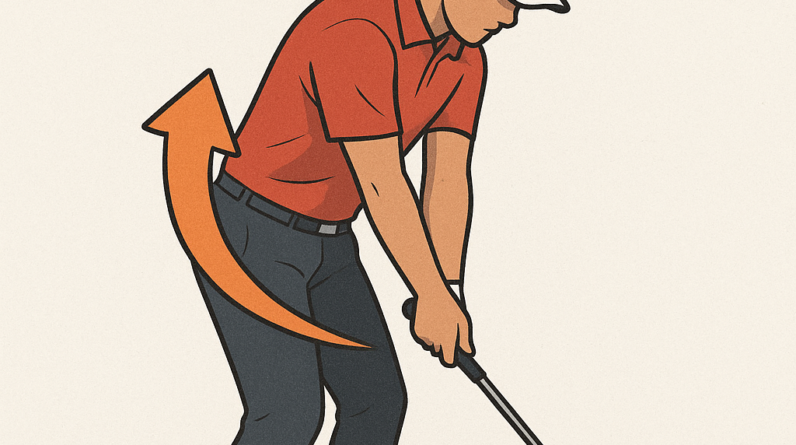
- More pressure under the lead foot and less under the trail foot as you release through the shot.
2–3 common mistakes golfers make with this concept
- Mistake 1: Not transferring weight to the lead foot through impact. The body stalls on the trail side and the club can come into the ball with too much arm action.
- Fix: Imagine finishing with 60–70% of your weight on the lead foot at impact. Practice with a short backswing and a deliberate weight shift forward, feeling the trail heel lighten as you rotate into the finish.
- Mistake 2: Swaying or sliding laterally instead of rotating. The hips move side-to-side rather than turning, which can throw off path and balance.
- Fix: Focus on hip rotation more than lateral slide. A simple wall drill—stand with your backside against a wall and swing while keeping your hips rotating and your head steady—helps you feel the rotation without excessive sway.
- Mistake 3: Weight lingering on the trail foot at impact. This can create fat shots or a loss of forward momentum.
- Fix: Use a small towel or mat under the trail foot to cue a forward shift. As you swing, imagine the weight sliding from the trail foot toward the lead foot, finishing with most weight on the lead side.
Simple, actionable drill you can do at home or at the range
Step-Through Weight Transfer Drill
- Take your normal stance with a short iron or wedge. Place your trail foot slightly behind your lead foot so your weight is a touch more on the trail side at setup.
- Make a half to three-quarter backswing, focusing on loading weight onto the trail foot as you rotate your hips away from the target.
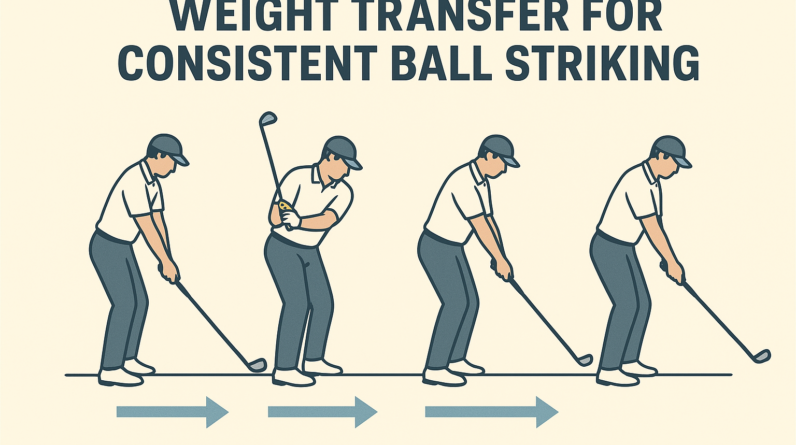
- During the downswing, take a small step forward with your lead foot as you rotate the hips through impact. Your weight should shift smoothly onto the lead foot, with your chest facing the target after impact.
- Finish tall with most of your weight on the lead foot and a comfortable, balanced finish. Repeat slowly first, then build tempo as you become more confident.
Tip: keep your head relatively steady and avoid over-swinging. The goal is a controlled, repeatable weight transfer that your body can sense and reproduce.
Weight Transfer in Golf: Techniques for Consistent ball Striking
Weight Transfer: The Silent Engine Behind Consistent Ball Striking
Understanding Weight Transfer in golf
Weight transfer is the intentional shift of your body’s weight from the back foot (trail foot) toward the front foot (lead foot) during the golf swing. It’s not a single move but a coordinated sequence that starts at address and continues through impact and into the follow-through. When done correctly,weight transfer helps you strike the ball cleanly,compress the clubface consistently,and maintain balance through the swing. Think of weight transfer as the engine that drives the swing’s energy from setup to contact.
At it’s core, weight transfer involves three interconnected elements:
- Positioning of the center of gravity over the feet
- Ground reaction forces created by pushing off the trail leg and than loading onto the lead leg
- Sequencing of hips, torso, arms, and the club so the clubface meets the ball with solid contact
SEO tip: Keywords to notice here include weight transfer in golf, ball striking, and consistent contact.These phrases appear naturally in context to help search engines connect this article to common queries.
Biomechanics Behind Weight Transfer
The biomechanics of weight transfer centers on how the body’s joints and muscles coordinate to move the center of mass from the right heel (for right-handed players) to the left side through impact. This is not about a jerky shift; it’s about a controlled, continuous transfer that preserves balance and creates forward momentum.
- Ground reaction forces: The ground pushes back as you press into the trail foot during the backswing, storing energy that’s released as you rotate toward the lead side in the downswing.
- Hip and torso sequencing: Hips should begin clearing and rotating before the arms rotate aggressively, so the club travels on a consistent plane and returns the hands to the ball with square alignment.
- Knee and ankle dynamics: A slight flex in the trail knee during the backswing followed by progressive loading of the lead leg helps you maintain spine angle and postural balance at impact.
- Center of gravity management: Keeping the body’s center of gravity within a stable envelope over the midfoot during contact reduces fat shots and improves dispersion.
Timing and Sequencing: How Speed Grows from Stability
Weight transfer gains efficiency when timing is precise. The swing should feel like a kinetic relay: the hips initiate rotation, the torso follows, the arms and hands deliver the clubhead at the right moment, and the weight shifts in sync with that rhythm. If the weight moves too early or too late, the clubface tends to close or open, causing mis-hits, slices, or push fades.
- Load phase: Load into the trailing heel during the backswing while maintaining spine angle.
- Transition: Initiate a smooth shift toward the lead foot as the hips begin to rotate toward the target.
- Unload/Impact: Unload the weight through the lead foot as the hands release the clubhead, maintaining forward shaft lean and solid contact.
Pro tip: Use slow-motion practice to feel the transition from back foot pressure to front foot pressure. This helps internalize the timing without worrying about speed.
Benefits of Proper Weight Transfer
- Increased distance and consistency: Efficient energy transfer translates to more clubhead speed at impact with solid contact.
- Better strike dispersion: Neutralizing weight drift reduces lateral misses and improves shot shaping control.
- Improved balance and rhythm: A stable base helps maintain posture through the finish, making it easier to repeat good shots.
- Reduced injury risk: Proper sequencing minimizes undue stress on the lower back and shoulders by distributing load across hips and legs.
Drills and Practice Plan to Build Trust in Weight Transfer
The following drills target the feel of weight shift and the mechanics of the downswing. Integrate them into your regular practice routine to engrain favorable patterns.
- Step-Through drill: Take your normal grip and stance, address the ball, and perform a slow backswing. On the downswing, pause at impact, then step through with your left foot (for right-handed players) while maintaining balance. This reinforces the weight shift to the lead side.
- Feet-Together drill: With feet close together, make half-swings focusing on shifting weight without losing posture. This builds awareness of balance during weight transfer.
- Slow-Motion Load Drill: In slow motion, initiate the backswing with the hips, feel the trail foot pressing into the ground, then glide weight forward through impact. Use a metronome at 60–70 BPM to maintain tempo.
- Carriage-Only Drill: Practice swings without a ball, emphasizing loading the trail leg and feeling a smooth transfer to the lead leg across the target line.
- Impact Tape Feedback: Use impact tape on the clubface to visualize where you’re striking. A centered contact pattern frequently enough accompanies solid weight transfer.
Practice tip: Consistency comes from repetition with a clear cue. A common cue is “load, rotate, deliver” to remind you of loading the trail leg, rotating the hips, and delivering the club at impact.
Practical Cues for Live Play
- Feel the trail heel press into the ground during the backswing, then replace that pressure with the lead foot as you rotate.
- Keep a slight knee flex in the lead leg at impact to absorb and transfer energy efficiently.
- Maintain a stable spine angle—do not sway excessively toward the target.
- Let the hips open toward the target before your hands deliver the clubhead.
- Finish with weight fully on the lead foot and a balanced posture,not leaning back.
Common Mistakes and How to Correct Them
- Reverse weight shift: Leaning onto the lead foot too early or staying too much on the trail foot can lead to fat or thin shots. Correction: pause at the top and feel a controlled transfer forward.
- Excess upper-body sway: Moving the torso forward without proper hip rotation disrupts the swing plane. Correction: Initiate the downswing with the hips while maintaining spine angle.
- early release: Releasing the club too soon can trap the energy in the arms. Correction: Allow a natural lag, then release through the impact zone as weight shifts forward.
- Static posture at impact: Not transferring weight results in inconsistent strike. Correction: Practice drills that emphasize dynamic weight shift through impact.
Case Study: Improving a Mid-Handicap Athlete’s Weight Transfer
A 14-handicap golfer with inconsistent contact reported moast misses occurred toward the heel and toe of the clubface. After three weeks of focused weight-transfer drills and tempo work, the player demonstrated:
- 10–15% increase in driving distance on average,
- Stronger impact with more centered strike lines on the clubface,
- Better balance through the finish with weight clearly on the lead foot.
The key change was embracing a controlled load into the trail leg during the backswing, followed by a deliberate transfer to the lead leg in the downswing. The athlete also trusted a slower tempo to maintain sequencing, which reduced overactive arms and improved contact quality.
First-Hand Experience: A Swift Anecdote from the Range
On a windy range day, I watched a high-handicap junior work through a simple cue: “feel the foot to foot, then the ball.” We focused on keeping weight centered over a stable base during address, then allowed the trail foot to drive momentum into the downswing. Within 20 minutes, the player reported crisper contact and more reliable ball flight. The physical cue was straightforward,but the outcome was profound: weight transfer became the silent engine that powered consistent ball striking.
Quick Reference Checklist
- Address position: balanced over mid-foot, slight knee flex, spine angle intact.
- Backswing: pressure into the trail foot,hips loading while maintaining posture.
- Transition: hips rotate first, weight shifts to the lead foot in a controlled manner.
- Impact: solid contact with the ball, weight primarily on the lead foot, minimal slide or dip.
- Finish: full forward weight transfer, chest facing target, stable balance.
Representative Weight-Transfer Table
This short table offers a simplified view of the weight-transfer phases and cues. It’s designed for quick reference during practice sessions.
| Phase | Key Focus | Common Cue |
|---|---|---|
| Address | Balanced pressure over the mid-foot | “Feel steady, ready” |
| Backswing | load into trail leg; hips begin to load | “Load and rotate” |
| Transition to Downswing | Weight shifts toward lead foot; hips open | “Drive with the hips” |
| Impact | Face square, body over the lead leg | “hit and drive” |
| Finish | Full weight on lead foot; balanced | “Finish tall and centered” |
Practice Ideology: How to Make Weight Transfer Second Nature
The most repeatable ball-striking patterns come from training that reinforces stable weight transfer under varying conditions. Factors like wind, lie angle, and tempo demand adaptability, but the underlying principle remains: a deliberate, well-timed shift of weight from trail to lead foot, coordinated with hip rotation and arm release. By treating weight transfer as a core swing asset, you can improve accuracy, distance, and comfort on the course.