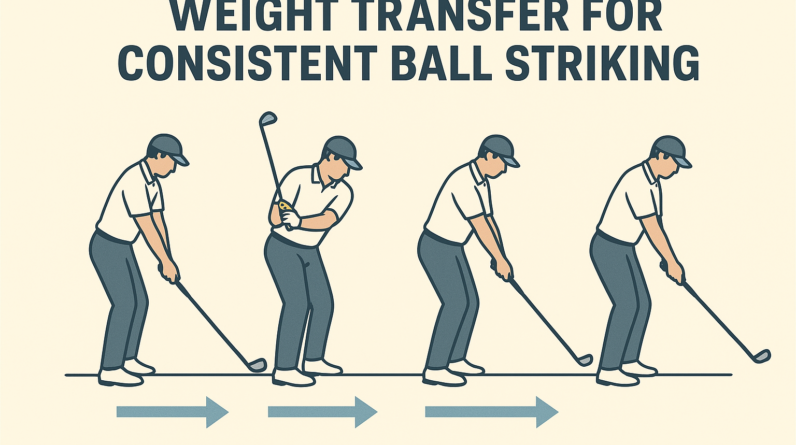

Weight Transfer: The Engine of Consistent Ball Striking
As a PGA Professional, I see it time and again: when golfers master weight transfer, their contact and consistency improve dramatically. Let’s focus on this single, powerful concept and keep things simple for beginner to intermediate players.
What the concept is
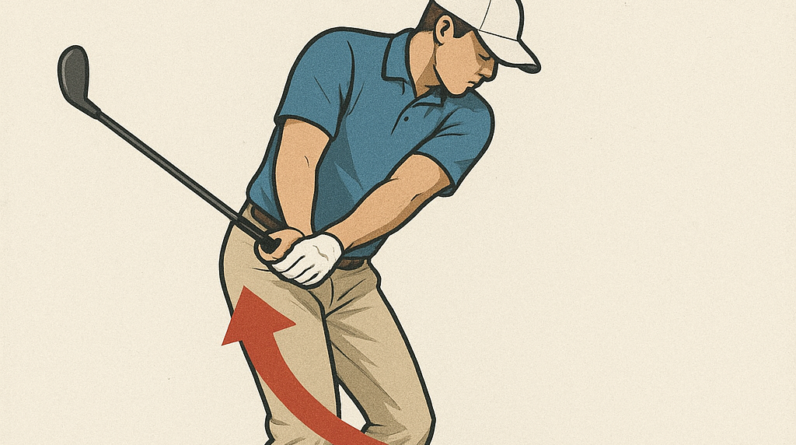
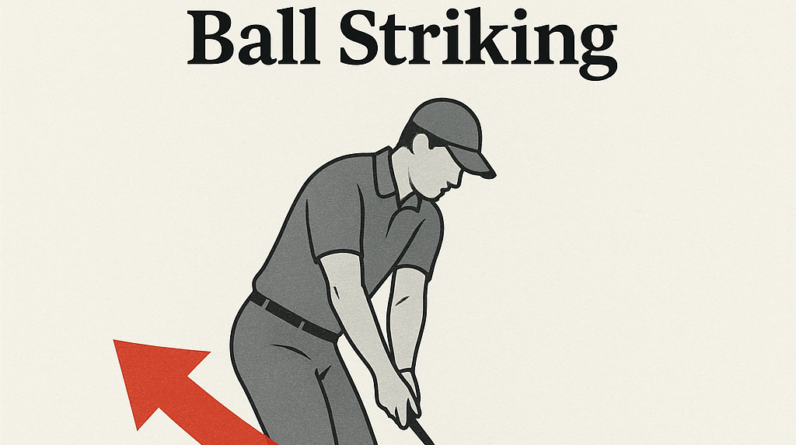
Weight transfer is the deliberate movement of your body’s weight from the trail foot (the back foot for right-handed players) to the lead foot (the front foot) as you swing through impact. It’s not just hip rotation; it’s a coordinated shift that helps the club reach the solid part of the face and deliver the energy where you want it. In a typical pattern, you start with some weight on the back foot, shift through the downswing, and finish with most of your weight on the lead foot.
Why it matters to the golf swing
- Better contact: landing energy on the center of the clubface leads to crisper, more consistent shots.
- More consistent ball flight: forward weight helps you control the path and face relationship, reducing hooks or slices.
- Distance and control: proper transfer helps you compress the ball and maintain lag without “getting stuck” or flipping the wrists late.
What the golfer should feel when doing it correctly
- During the downswing, you feel your weight move from the back foot toward the lead foot and into the lead leg at impact.
- Your trail knee stays softly bent as you rotate, and your spine stays in a stable tilt over the midline.
- At the finish, most of your weight sits on the lead foot with a balanced, athletic posture.
2–3 common mistakes (and fixes)
- Staying back too long — the weight stays on the trail foot through impact, causing inconsistent contact and distance loss.
- Fix: Feel a deliberate shift into the lead foot at and just after impact. Practice slow, controlled swings focusing on the moment of contact to train the transfer.
- Early weight transfer — weight moves forward too soon in the transition, leading to early release and a loss of lag.
- Fix: Slow the downswing slightly and let the hips rotate before transferring weight. Keep a light knee bend in the trail leg a beat longer before you push into the lead foot.
- Not finishing with weight forward — finishing with most weight on the back foot leaves the shot feeling unfinished and off-balance.
- Fix: Finish tall and balanced with the chest facing the target. Hold the finish for a beat to feel the weight fully loaded on the lead foot.
One easy practice drill you can do now
Step-Through Drill (suitable for range or home practice).
- Set up in your normal stance and take a small backswing.
- During the downswing, imagine stepping toward the target with your lead foot as you strike the ball. Your trail foot should lift naturally as you transfer weight into the lead foot.
- Finish with most of your weight on the lead foot and your chest facing the target. Pause and feel the balanced finish before repeating.
Tip: Don’t rush the step. Do a few practice swings first to feel the weight shift, then add a ball to observe improved contact and flight.
Weight Transfer: The Engine of Consistent Ball Striking
What weight transfer is and why it matters for consistent ball striking
Weight transfer refers to the deliberate, timed shift of your body weight from the rear side to the front side during the approach to contact with the ball. It’s the invisible engine behind every clean, repeatable strike—whether you’re teeing off, rallying a forehand, or blasting a baseball. When done well, weight transfer aligns the kinetic chain from ground to club or racket, letting your hips, torso, and arms work together in smooth sequence. When mismanaged,it creates inconsistent impact,off-center contact,and loss of power.
In this guide you’ll discover practical principles, sport-specific nuances, and drills that amplify your weight transfer without sacrificing balance or control.
Biomechanics of weight transfer: sequencing and the kinetic chain
The body operates as a kinetic chain: the ground provides the first source of energy, which moves through the legs, hips, spine, and finally to the arms and the implement (club, racquet, bat). Effective weight transfer requires coordinated timing and control of three core components: stance and balance, lower-body sequencing, and trunk/arm coordination.
Key components of the transfer
- Stance and balance: A stable base that allows the center of gravity to travel smoothly over the feet as you rotate and shift pressure.
- Lower-body sequencing: The hips and legs initiate the movement,driving the weight shift before or at impact to maximize stored elastic energy.
- Core and trunk engagement: The torso maintains spine angle and provides a stable platform for the arms to deliver the strike with fluidity.
Ground reaction forces and timing
Ground reaction forces translate into angular momentum: as you push against the ground with the back foot during backswing and transition, you store energy that is released as you rotate toward the front foot at impact. Precise timing ensures the energy is released at the moment of contact, translating into speed, control, and accuracy.
Common cues that support good sequencing
- Feel the trail heel loading slightly before the lead foot.
- Expect a shoulder-to-hip alignment shift as you approach impact.
- Keep the head steady and eyes level, avoiding excessive lateral drift.
weight transfer across ball-striking sports
Golf: from address to impact
In golf, the weight transfer pattern typically progresses from a balanced address, to a subtle shift into the trail side during backswing, and then a controlled acceleration toward the front foot at impact. the goal is to have roughly a 60–70% weight load on the lead foot at impact for many players, with the exact distribution varying by body type and swing style. Proper transfer helps you maintain spine angle, maximize clubhead speed, and produce solid center-face contact.
Tennis: translating transfer to groundstrokes
On forehands and backhands, weight transfer involves shifting weight from the back foot to the front foot as you strike through the ball. The timing is fast and relies on hip rotation and unit turn: the hips lead, the chest opens, and the arm extends through contact. Consistent weight transfer in tennis reduces mishits and improves depth and pace.
Baseball/softball: swing mechanics in context
In baseball and softball, weight transfer begins with a load into the back leg during the load step and accelerates through contact. The front knee and ankle stabilize, and the hips rotate to align the torso with the pitch direction. A well-timed transfer increases bat speed while preserving control and strike zone discipline.
Soccer and other ball-striking disciplines
For soccer and similar kicks, weight transfer is about shifting pressure from the non-kicking leg to the kicking leg, while maintaining balance and a compact spine angle. Foot contact becomes more powerful when the torso rotates toward the target and the ankle, knee, and hip align through impact.
Core principles for consistent ball striking
A quiet, athletic base reduces wobble and lets the transfer occur naturally. Hip rotation powers the swing and sets the timing for weight transfer, not the arms alone. A stable spine provides a platform for the arms to accelerate through contact. A smooth increase in speed from backswing to impact yields consistent contact. A complete follow-through reinforces the weight shift and ensures balance after impact.
Key cues for rapid feedback
- Feel the trail foot push and then release pressure toward the lead foot.
- Visualize a straight line from back heel to front toe at impact.
- Keep the head steady while the hips rotate, not the head chasing the ball.
Practical drills and routines to improve weight transfer
Below are practical, progressive drills you can perform during a practice session.each drill emphasizes awareness of pressure shifts,hip sequencing,and maintaining posture through impact.
Drill 1: Two-Feel Weight Shift (Golf, Tennis, Baseball)
- Stand in your normal stance, weight evenly distributed.
- Feel the weight shift to the trail foot during the backswing (or backswing to contact for other sports) while keeping your spine angle intact.
- Now, shift weight to the lead foot through impact, focusing on ground contact and a quiet upper body.
Drill 2: Slow-MMotion with Intent (Tempo Drill)
- Perform the swing in a slow-motion cycle, emphasizing the exact moment you begin weight transfer.
- pause briefly at the top of backswing, then continue to impact with controlled weight shift.
- Repeat 6–8 times, gradually increasing speed while preserving form.
Drill 3: Hip-Lead Activation (Baseball/Tall-Knee Drill)
- From a grounded stance, practice rotating the hips first, letting the arms follow.
- Focus on keeping the trail foot planted and then transferring weight as you strike through the ball.
- Lock in a stable finish with the chest facing the target and hips squared.
4-Week Sample routine
- Week 1: Weight shift awareness drills (10–15 minutes) + 2 sets of Drill 1 each session.
- Week 2: Add tempo and pause reps (15–20 minutes) + Drill 2, 3 (3–4 sets).
- Week 3: Integrate into full-speed shots with strict balance checks (20–25 minutes).
- Week 4: Evaluate progress with a simple metric: contact quality at impact and balance after follow-through.
Helpful cues by sport
- Golf: “Feel the trail foot push and then the front foot drive.”
- Tennis: “Hips go first; torso follows; the racket accelerates through contact.”
- Baseball: “Load back, rotate hips, and snap through the ball with balance.”
Common faults and fixes
The following table highlights frequent patterns that undermine weight transfer and simple fixes to restore efficient transfer.
| Fault | Symptom | Fix / Cue |
|---|---|---|
| Early weight shift to the front foot | Hitting ahead of the ball, tops or fat shots | Pause hips at top, feel loading into trail leg longer; delay forward press until contact |
| On-tilt shoulders with no hip drive | Slappy contact; loss of power | Lead with hip rotation; keep chest under target line |
| Excess weight on back foot at impact | Late timing; club face open or closed at contact | Practice gradual transfer; imagine a line from back heel to lead toe at impact |
| Head movement off the line | Misses or mis-hits due to shifting gaze | Keep eyes level; steady head position; maintain spine angle |
Benefits of proper weight transfer
- Increased consistency: repeatable impact location and ball flight
- Enhanced power: efficient energy storage and release through the kinetic chain
- Improved balance and stability under pressure
- Better contact quality: more center-face strikes and fewer mishits
- Reduced injury risk: safer sequencing reduces strain on the lower back and shoulders
Case studies: weight transfer boosting ball-striking consistency
case Study 1 — Professional Golfer
A touring pro faced inconsistent impact and a tendency to slide weight too early. After a 6-week program focused on hip-led sequencing and front-foot pressure during impact, the player reported fewer toe-offs at impact and a tighter dispersion pattern. Objective data from launch monitors showed a modest increase in clubhead speed and improved smash-angle consistency, with more frequent solid center-face contact.
Case Study 2 — Competitive Tennis Player
A competitive tennis player struggled with forehand reliability under pressure. By emphasizing a deliberate weight transfer sequence—loading the trail leg, triggering hip rotation, and accelerating through contact—the athlete achieved more stable contact and a noticeable reduction in off-center hits, especially on faster serves and wide groundstrokes.
First-hand experience: coaching insights on weight transfer
From a coaching perspective, the hardest part for many athletes is preserving balance while accelerating energy through impact. I’ve found that using simple tactile cues—like pressing a finger into the mid-foot of the lead foot during the contact window, or imagining a “rail” from the back heel to the front toe—helps athletes feel the precise moment when weight shifts.The most dramatic improvements happen when players translate those cues into a genuine sense of hips driving the motion, rather than arms forcing the swing.
It’s also essential to tailor the approach to each sport and body. A taller athlete may rely more on hip turn and spine angle preservation, while a shorter athlete might benefit from a smaller but faster weight shift. The objective remains constant: efficient weight transfer that enables a clean, centered impact.
Metrics and progress tracking
Practical progress tracking helps translate feel into measurable improvement.Consider these metrics:
Frequency of center-face contact or sweet spot hits, as reported by your ball-strike feedback tools. A stable stance with minimal backward or lateral drift, observed by video review or a partner during drills. A shift from back foot to front foot that aligns with your sport’s timing (golf: trigger at transition; tennis: through contact). Consistent swing path and angle of attack that align with your transfer sequence.
Tracking can be done with a simple smartphone video, a sensor sleeve, or a launch monitor, depending on your resources. The key is consistent measurement and focused drills.
Weight transfer progress checklist
| Area | Action | When to measure |
|---|---|---|
| Stance stability | Maintain even weight distribution at address; keep a light, athletic knee bend | During warm-up and drills |
| Trail-to-lead transfer | Shift weight smoothly toward lead foot through impact | During drills focusing on transition |
| Hip lead | Initiate movement with hip rotation before arm extension | In all mechanics-focused sessions |
| Post-impact balance | Finish with chest facing target and weight on lead foot | At the end of each rep |