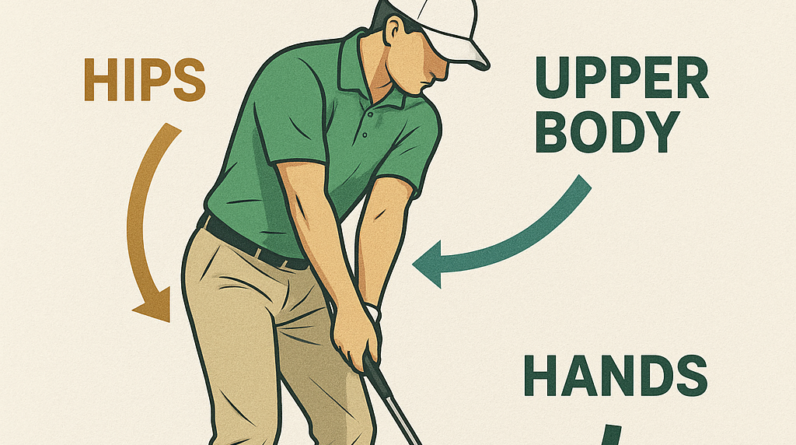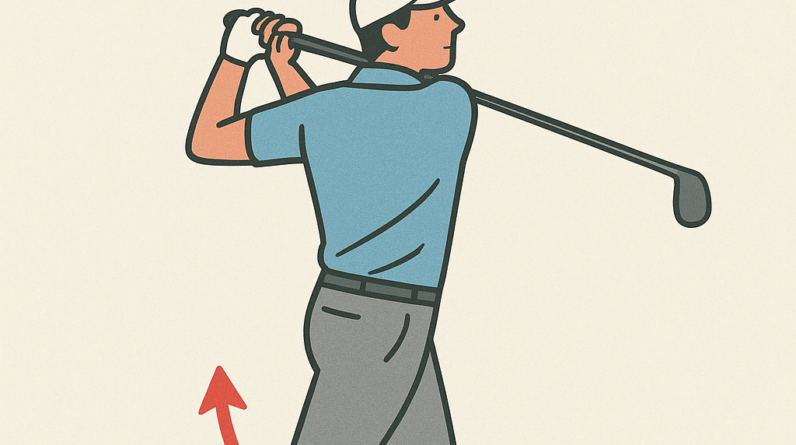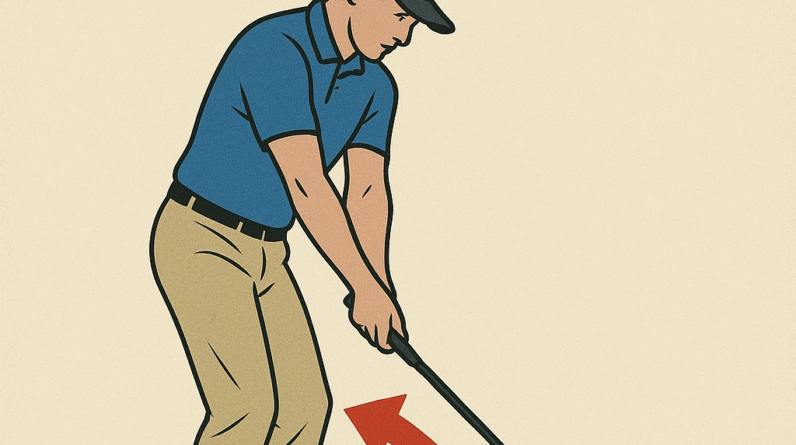

Weight Transfer: The Vital Key to Consistent Ball Striking
If you want to hit the ball more crisply and with repeatable contact, focus on how you move your weight from your trail foot to your lead foot during the swing. This is the single topic I want you to master here: weight transfer. It shows up in every good shot, from a simple chip to a full 9-iron approach.
What the concept is
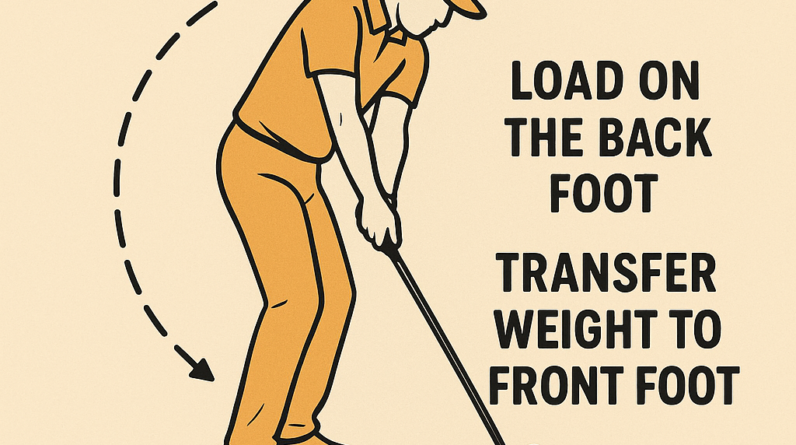
- Weight transfer is the deliberate moving of your center of gravity from the back (trail) foot toward the front (lead) foot as you swing, through impact, and into the finish.
- In practical terms, it means your weight gradually shifts off the trail foot and ends up mostly on the lead foot at impact, with your spine tilted simply and comfortably toward the target.
Why it matters to the golf swing
- Consistent contact: Proper transfer helps you strike the ball on the descent, which promotes solid compression and reduces fat or thin shots.
- Distance and control: Forward weight helps you release the club smoothly while maintaining balance, leading to cleaner ball flight and better accuracy.
- Posture and tempo: Moving weight forward encourages you to rotate and turn rather than slide or sway, supporting a steadier swing path.
What you should feel when done correctly
- You feel your weight shifting toward your lead foot as you begin the downswing, finishing with most of your weight on the lead foot.
- Your trail heel comes off the ground slightly as you rotate, but your spine angle stays steady and centered.
- At impact, you sense a solid pressure under your lead foot, with the torso stacked over that foot and a balanced finish facing the target.
2–3 common mistakes (with fixes)
Mistake 1: Hanging back on the trail foot at impact
- Why it happens: You try to “hang on” to the back foot, which delays transfer and often leads to fat or pulled shots.
- Fixes:
- Feel a gradual shift of weight forward from the downswing start; imagine your trail knee softening and your lead knee guiding the transfer.
- Pause slightly at impact with your weight toward the lead foot, then finish tall and balanced.
- During practice, use a small object (like a tee or a towel) under the trail foot and try to keep it from staying flat as you swing through.
Mistake 2: Swaying or sliding laterally instead of rotating
- Why it happens: A lateral move can shift weight without improving contact, and it can throw off the swing path.
- Fixes:
- Maintain a steady spine angle and rotate your hips and torso toward the target, not just lean forward.
- Practice slow, controlled turns with a focal point on keeping your head still over the ball until impact.
Mistake 3: Not transferring enough weight at all
- Why it happens: You keep too much weight on the back foot, which reduces power and makes it easy to topple off-balance.
- Fixes:
- Shift weight earlier in the downswing and finish with the chest toward the target.
- Use a gentle step or slide drill to encourage forward momentum into the finish while staying balanced.
Simple, actionable drill (at home or on the range)
Step-Through Weight Transfer Drill
- Stand with feet shoulder-width apart and light, even pressure on both feet.
- Take a half backswing, then start the downswing with a deliberate weight shift toward the lead foot.
- As you contact the ball, step your trail foot forward and plant the lead foot firmly into the finish. Your weight should finish on the lead foot with a balanced, tall posture.
- Repeat 8–12 reps, keeping the transfer smooth and controlled. Progress to a full swing only after you can feel the correct weight movement at slow tempo.
Recap
- Weight transfer is moving your center of gravity from trail to lead foot through impact.
- Mastery of this concept improves contact, distance, and balance.
- Common issues are hanging back, excessive sway, and under- transferring; fixes involve feeling forward movement, rotating rather than sliding, and practicing with simple step-through drills.
If you’d like, tell me what club you’re working with and your typical ball flight, and I can tailor the weight-transfer cues to your swing. Happy practicing!
Weight Transfer: The Vital Key to Consistent Ball Striking
Why Weight Transfer Matters
Weight transfer refers to how a player shifts weight from one part of the body to another during the motion of striking a ball. Across sports, well-timed weight transfer drives power, control, accuracy, and consistency. When weight shifts too early, too late, or unevenly, the strike becomes inconsistent, leading to off-center contact, mis-hits, or reduced ball speed. Mastery of weight transfer integrates your feet, ankles, hips, core, and upper body into a synchronized chain that propels the ball toward the target with precision.
Biomechanics of Weight Transfer
In biomechanics, the body is viewed as a kinetic chain. Efficient weight transfer involves sequencing from the ground up: ground reaction forces push through the feet, transfer through the ankles and knees, rotate the hips, and engage the core to stabilize and then release energy through the limbs. This sequence helps store elastic energy in the muscles and tendons, releasing it at the moment of impact for maximum efficiency.
- Ground reaction force as the starting point for power
- proper sequencing reduces braking forces and fatigue
- Core engagement ensures stability and control
Weight Transfer Across Sports: A Quick Overview
Although the phrase weight transfer is common to many ball-striking disciplines, the specifics differ. Here’s a quick overview of how the concept applies across four popular sports:
- Golf: A forward weight shift from trail to led foot through impact creates a solid,centered strike.
- Tennis: Lateral weight transfer across the stance leg combined with hip rotation for groundstrokes and serves.
- Soccer: Forward and rotational weight transfer through the shot to maximize power while maintaining balance.
- Baseball/Softball: From a loaded stance to extension through the ball, transferring weight toward the lead side for speed.
Key Mechanics and cues for Consistent Weight transfer
Applying the right cues helps players remember where the weight should be at each stage of the swing or stroke. below are practical guidelines that work for pitchers, hitters, kickers, and field players alike.
Ground-to-Contact Sequence
- Start with a solid base: feet shoulder-width apart and knees slightly bent.
- Push off the ground with the trail foot, transferring weight to the lead side as you rotate the hips.
- Maintain a slight knee flex in the lead leg to absorb contact and keep balance.
- Strike, then recycle weight back through the body for follow-through and recovery.
Common Cues You Can Use
- “Feel the plant, then drive” — plant the back foot for stability, then drive weight forward.
- “Hips first, hands second” — rotate the hips to generate power, then let the arms and hands place the ball.
- “Stable trunk,fluid hips” — keep the core solid to prevent upper-body roll and errant contact.
- “Soft knee, firm ankling” — a gentle knee bend with stable feet to control balance and transfer.
Drills and Practice Routines to Improve Weight Transfer
Consistency comes from intentional practice. Integrate these drills into your warm-up and skill sessions to build reliable weight transfer cues into every strike.
1) Step-Through Drill
- Set up in your normal stance with a slight toe-out.
- Without rushing contact, step forward with your lead foot as you swing.
- Focus on transferring weight from the trailing leg to the leading leg through contact.
- Repeat on both sides to build symmetry.
2) Towel Drill
Place a rolled towel under your lead foot with the trail foot behind. As you swing, try to pressure the towel with your lead foot just before contact, forcing a clean weight transfer.
3) Shadow Swing with Beep Drill
Using a metronome or beep cues, perform shadow swings and ensure your weight shifts forward at the beep before contact, then recover after the swing.
4) Wall Stand Drill
Stand a few inches from a wall with your hips square. Initiate a swing and touch the wall with your trailing hip briefly to feel the transfer sequence.
5) Impact Tape or Marker Target
Use impact tape, or a light marker on the ball’s impact zone to verify contact location and weight transfer pattern at impact.
6) Plyometric Ground Reactions
Short, controlled bursts of jump-landing can help you feel and train the force that travels from the ground up through your body, improving timing of weight transfer.
| Drill | Focus | Key Cue | progression |
|---|---|---|---|
| Step-Through | Forward weight transfer | Lead foot drives contact | Increase swing speed |
| Towel Drill | Stability & transfer | Pressure the towel with trail foot | Remove towel gradually |
| Shadow Swing | Timing with beats | Weight forward before contact | Use faster tempo |
| Wall Stand | Hip rotation feel | Hip touch to wall | Move closer to wall |
Note: The drills are adaptable to multiple sports. Start slow, prioritize quality contact, then increase speed as your transfer timing becomes reliable.
Common Mistakes and How to Fix Them
- Over-rotation without forward progress: fix by keeping a forward-leaning torso and good knee flex while rotating hips.
- Late weight transfer: Address with drills that emphasize loading the trail leg and initiating transfer earlier in the swing.
- Ear-to-ground misalignment: Ensure your feet remain under your hips to maintain balance.
- Excessive lateral movement: control by engaging the core and glutes to prevent side-to-side drift.
Benefits of Mastering Weight Transfer
- Improved contact quality and consistency across shots
- Increased power without sacrificing control
- Better balance under fatigue and pressure
- Reduced risk of injuries by distributing load through the kinetic chain
- faster tempo and more repeatable outcomes
Practical Tips for Coaches and Players
- Incorporate slow-motion video analysis to show the transfer sequence frame-by-frame.
- Create individualized cues for players based on their natural movement patterns.
- Balance on both feet during drills to ensure symmetrical transfer patterns.
- Warm up with dynamic foot and ankle mobility to support safe and effective transfer.
Case Study: From Inconsistency to precision
In a recent six-week program with an amateur tennis player, improving weight transfer led to a measurable boost in shot accuracy and power.The player initially displayed late forward weight transfer on forehand groundstrokes, resulting in off-center hits and reduced pace. The coach implemented a sequence of drills focusing on loading the trail leg, hip rotation, and core stability, paired with tempo-guided shadow swings. after four weeks,the player showed a clearer sequence,with earlier forward weight shift and improved balance on contact,leading to more consistent ball placement and stronger balls off the racket.
First-Hand Experience: The Role of Footwork in Weight Transfer
During a season-long training block with a recreational soccer player, emphasis on footwork patterns and weight transfer substantially improved striking power and shot accuracy. the athlete reported feeling more connected to the ground and a smoother transfer of energy through the hips and torso. The practical takeaway was that even small adjustments in stance width and toe alignment could shift how weight moved during each stroke, reinforcing the importance of base stability and hip rotation in achieving consistent ball striking.
Quick Reference: cues and Phases of Weight Transfer
| Phase | Cue | Body Part Involved | Tip for Consistency |
|---|---|---|---|
| Preparation | Settle the weight and align | Feet, ankles, knees | Maintain a light bend; keep hips square |
| Load | Back foot drives forward | Hips, core | Feel pressure shift toward lead side |
| Shift | Hip rotation initiates transfer | Hips, trunk | Rotate through contact while staying balanced |
| Release | lead foot plants | Legs, core | Keep contact centered and finish tall |